Written By Damilola Durojaiye
If you have seen “ Bono and Fino” and “ Lady bucket and the motley mopsters” you are probably wondering why their presentation are both different despite both being an animation well… there’s no single “look” defining the industry.
Some creators are leaning into bold, expressive, hand-drawn visuals.
Others are chasing sleek, cinematic, high-definition worlds that look like they belong on global streaming platforms.
And right in the middle of it all is a quiet but important debate:
Is 2D animation still king in Africa, or is 3D taking over? Let us get into it.
At first glance, the answer seems obvious. Everywhere else, 3D animation kind of dominates, think Pixar, DreamWorks, big-budget shows.
Most of the industry is chasing realism with computer-generated magic, but on a closer look at the African scene, especially in places like Lagos, it gets complicated fast.
This is not just about looks, it is about the tools, the money, identity, and even where African storytelling is heading next.
Let us dig a little deeper; Beyond Looks, What 2D and 3D Actually Mean
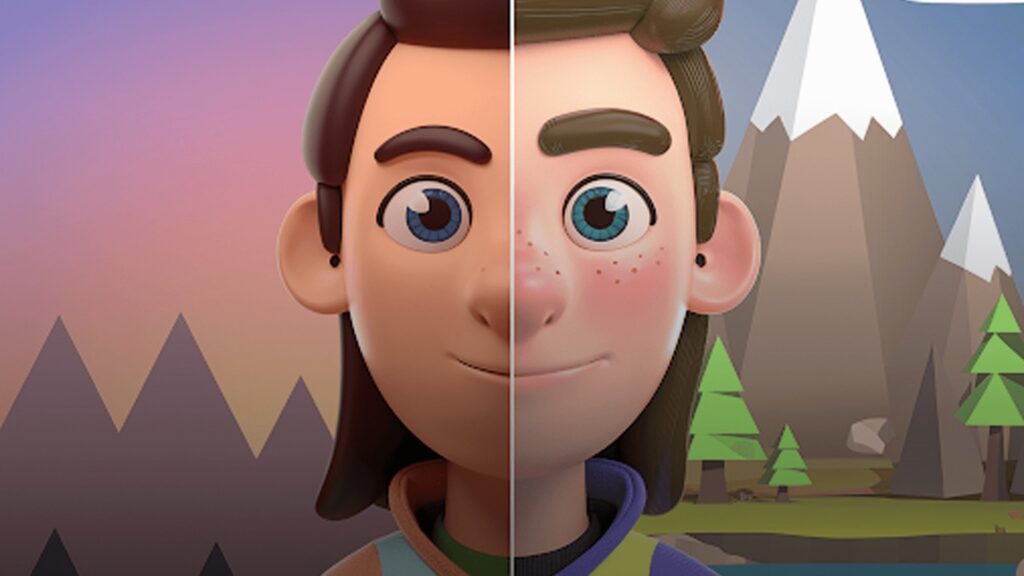
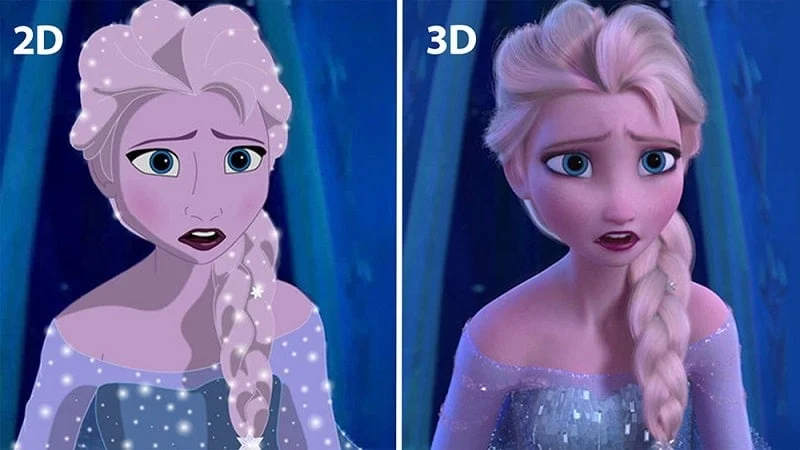
2D animation has roots. It feels more traditional, flat, stylized, full of expression.
Artists sketch, squash, and play with visuals however they want. It is close to illustration and comics, so you get a lot of personality.
3D, on the other hand is chasing realism. You have got depth, lighting, and movement that feels cinematic.
It looks polished and international, usually attached to studios that have big budget.
But in Africa, these are not just technical choices, they shape who gets to make animation, what kinds of stories get told, and how those stories hit the audience.
The Budget Factor: Why 2D Still Leads the Way
Let us be real animation costs money, and in plenty of African countries, getting funding for creative projects is tough. That is why 2D still leads the way.
It is cheaper, you do not need super computers, giant teams, or massive budgets.
For independent creators and small studios, 2D makes it possible to create and share without waiting for big investors.
So, you see a lot of African animation on YouTube, Instagram, TikTok, 2D thrives in these spaces where creators drop short, punchy content straight to their fans.
In short, 2D animation has not just survived, it has turned into the foundation for grassroots creativity.
3D’s Rise: Africa Looking Outward
Here is the thing, 3D is making moves. Studios like Kugali Media are pushing African animation onto the global stage.
Their work sets a new standard, aiming for international partnerships and more worldwide attention.
Why are more creators making the leap to 3D? Because it gets international eyes on their work, Streaming platforms love it. It just screams “high production value.”
There is a vibe true or not that 3D is more “professional.” If you are looking to break into global markets, that matters, but the challenge is huge.
You need advanced skills, expensive gear, and longer timelines.
For most African creators, these hurdles are real. So even though 3D is growing, it is not as easy to access as 2D.
Cultural Identity: Where 2D Has the Edge
Here is where things get really interesting. African storytelling is not just about the story, it is about the soul, the feeling 2D gives creators the freedom to stylize, experiment, and play with tradition, patterns, symbols, unique art styles and they all fit easily in 2D.
You do not have to obey the rules of realism to make something authentic.
2D wears its culture proudly. It is perfect for folk tales, spirituality, mythology and also bends reality in ways that feel real for the story.
Meanwhile, 3D can sometimes slide towards standardized visuals. Unless handled carefully, it might water down cultural expression.
That is why a lot of African creators stick with 2D when they want to go deep, original, or experimental.
Mobile Habits: 2D’s Distribution Superpower
In Africa, most folks use their phones. Quick videos, short clips, snack-sized content, on the go.
2D fits this perfectly. It is fast to make, easy to share, and tailor-made for social media.
3D, on the other hand, needs longer production time and is built for bigger screens and longer formats like movies or binge-worthy series.
So while 3D might win big in cinemas and streaming, 2D quietly rules everyday digital life.
Who is Winning?
Honestly, it is not a head-to-head fight.
2D dominates in accessibility, speed, and cultural flavor. 3D scores in prestige, funding, and global reach. They are not pushing each other out, they are serving different needs.
2D is building the foundation, lifting up new voices, fueling experimentation.
3D is driving the industry, bringing global attention.
What is Next? Mixing It Up?
Looking forward, African animation is not picking sides. It is blending them.
Hybrid styles will pop up.
More investment in tech and training is coming.
Collaboration between African and global studios will grow stronger.
As tech and resources catch up, the gap shrinks, but 2D remains a core part of African artistry and it is not going anywhere.
So yeah, the question is not about “Which is better?” It Is “Which style helps us tell our stories?”
Right now, African animation is exploring, experimenting, and reinventing itself, sometimes wild, sometimes polished, always full of promise.
Whether it is the creative freedom of 2D or the cinematic firepower of 3D, creators are taking control of the narrative, and that is what will really shape the future of animation in Africa.