In a major boost for Nigeria’s creative sector, the International Finance Corporation (IFC), the private sector arm of the World Bank Group has signed a mandate partnership with Terra Kulture Arts & Studios Limited, led by cultural icon Bolanle Austen-Peters, aimed at strengthening the country’s creative economy and turning culture into a sustainable industry.
The partnership was formally announced and signed on January 30, 2026 in Lagos at Terra Kulture’s historic venue in Victoria Island a cultural hub that has, for over two decades, been a flagship institution for Nigerian theatre, arts, storytelling, and cultural preservation.

A Vision for Culture as Industry
Terra Kulture, founded in 2003 by Bolanle Austen-Peters, has played a central role in preserving Nigerian languages, heritage, and artistic traditions while creating commercial pathways for creative talent to grow and earn a living.
Its facilities include an art gallery, bookstore, theatre arena, and production studios spaces that have incubated generations of Nigerian artists.
With IFC’s support, the partnership will refurbish and expand Terra Kulture’s creative and training spaces in Lagos, enabling broader access to professional infrastructure and educational resources for creatives across theatre, film, visual arts, and cultural production.
“For more than 20 years, Terra Kulture has nurtured talent and preserved cultural expression,” tweeted the institutions in a joint announcement.
“This partnership reflects a shared belief that our creative industries can deliver inclusive growth, jobs, and sustainable economic opportunities.”

Jobs, Skills, and Growth for Young People and Women
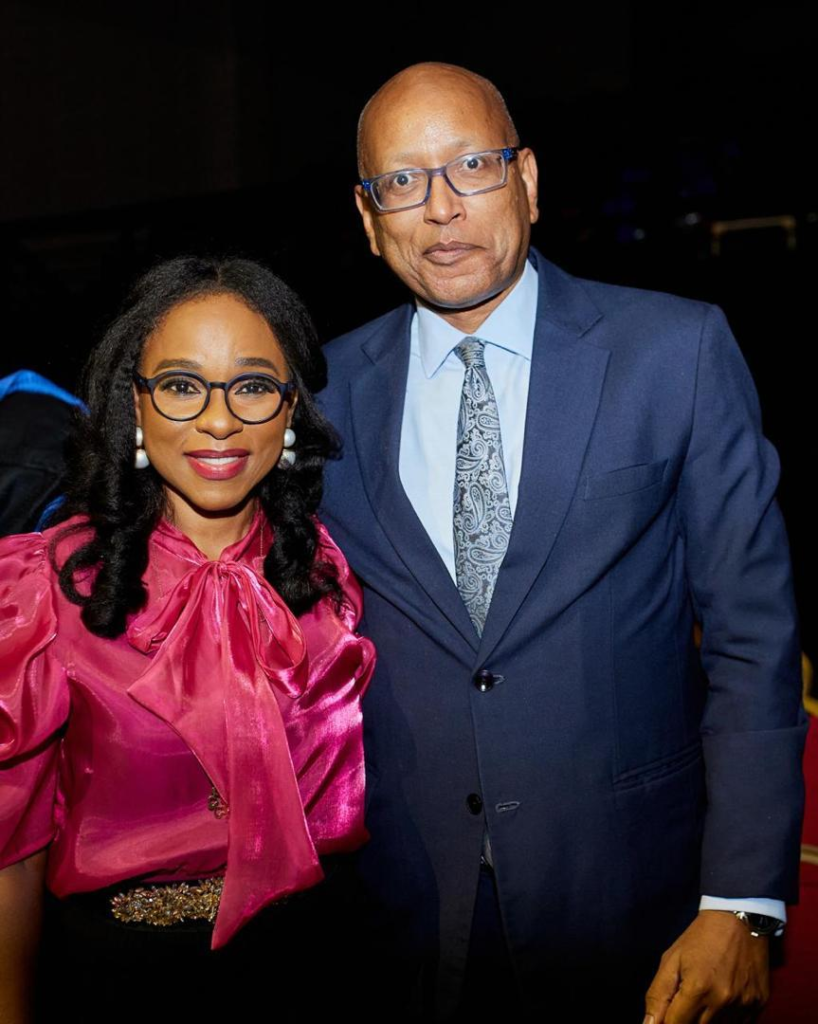
Speaking on behalf of IFC, Ethiopis Tafara, Vice President for Africa, highlighted the sector’s potential as a source of employment especially for young people and women.
“Creative industries are a powerful source of jobs and opportunity,” Tafara said, stressing that the mandate partnership is part of a broader IFC strategy to formalise, finance, and scale creative enterprises in emerging markets.
The programme will support initiatives that professionalise talent, expand professional creative spaces, and strengthen the creative ecosystem so Nigerian stories can be created, produced, and shared from an authentic African perspective on global platforms.
Building a Growth Engine for Nigeria’s Creative Sector
The partnership places special emphasis on skills development and enterprise support, particularly for micro, small, and medium creative businesses (MSMEs) that traditionally operate informally.
By improving access to training and professional workspaces, the collaboration seeks to create clearer pathways to employment, entrepreneurship, and income sustainability for artists, technicians, writers, and cultural producers.
This approach aligns with the IFC’s broader global mission to support private-sector-led development, including job creation, economic diversification, and innovation across emerging markets.
As part of its 2025 fiscal year efforts, the IFC committed a record $71.7 billion in support of private companies and financial institutions worldwide, reflecting strong backing for sectors with high economic and social impact potential like culture and creative industries.
For Bolanle Austen-Peters, the partnership is an affirmation of Terra Kulture’s long-standing mission.
She emphasised that strategic partnerships like this are essential to transition Nigeria’s creative ecosystem from passion-driven to industry-driven, empowering talents locally while creating platforms that compete globally.
Terra Kulture’s work, which has showcased Nigerian artistic excellence and hosted acclaimed productions and collaborations with world-renowned performers, now moves into a new phase of expansion with IFC’s backing.
A Shared Vision for Cultural and Economic Transformation
This partnership between IFC and Terra Kulture marks a milestone moment: it positions Nigeria’s creative sector as a viable engine for inclusive growth, job creation, skills development, and global cultural leadership.
By formalising and scaling creative infrastructure, the collaboration sets the stage for sustainable livelihoods, wider access to industry resources, and stronger global recognition of African stories told by Africans.
As Africa’s creative economy continues to gain global attention, strategic engagements like this underscore how cultural institutions can play an essential role in economic transformation not just artistic expression.