Rendacon 2026 Day 2 Didn’t Inspire Creators: It Exposed What They’re Getting Wrong
Day 2 at the Rendacon Animation Summit 2026 didn’t come to motivate anyone.
It came to disrupt, correct, and force a shift in how African creators think about animation as an industry.
If Day 1 was about honesty, Day 2 was about confrontation.
Across every session, one message kept surfacing in different forms: talent is no longer the problem. Structure is.
African animation is growing, yes. Visibility is increasing. Global attention is rising.
But none of that translates into long-term success without ownership, systems, and the ability to operate at an international level.
That tension defined the entire day.
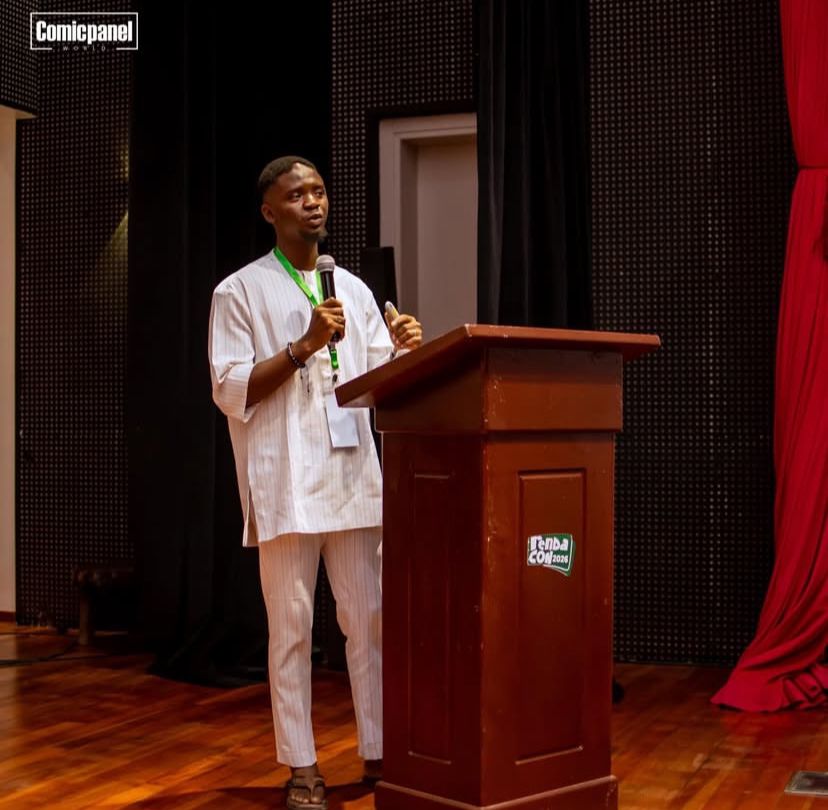
The morning opened with a practical deep dive into storyboarding, led by Collins Momodu of Spoof Animation.
But this wasn’t a basic creative session about drawing scenes. It was about discipline.
About understanding that if African creators want to pitch to global platforms like Netflix, then the work must meet global expectations from the very first frame.
Storyboarding, as emphasized in the session, is not just visual, it’s strategic. It controls pacing, emotion, and narrative clarity. It determines whether a story feels local or internationally competitive.
And for many creators in the room, it became clear that the gap isn’t creativity, it’s execution at a global standard.
Talent isn’t the Problem, Structure Is
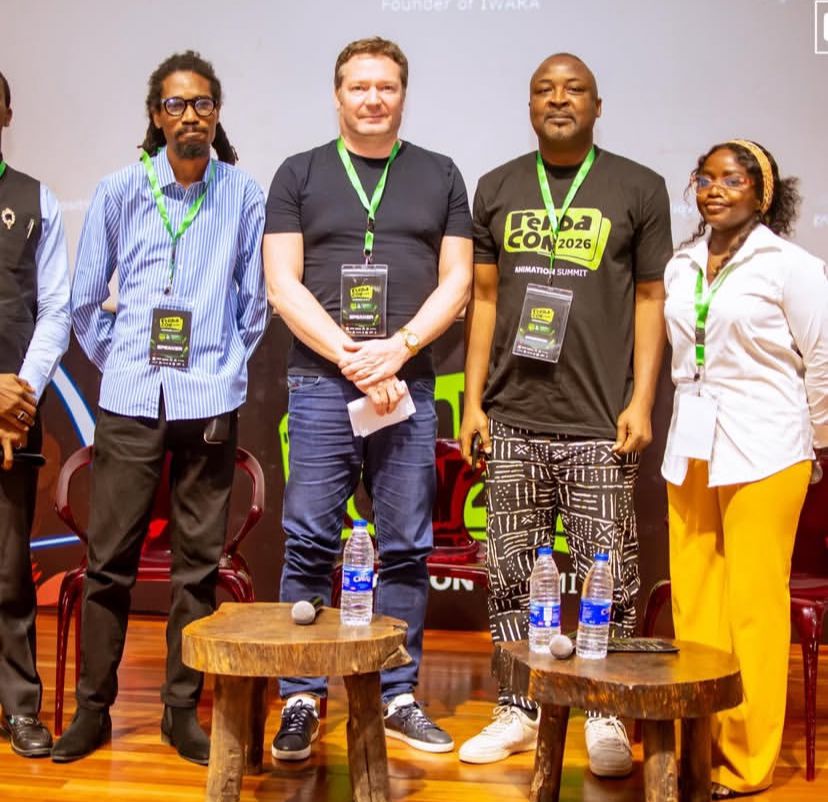
That same reality carried into conversations about international opportunities. A panel featuring Franciane Abassan, Austin Osade, and Christopher Pecot broke down access to the European animation market.
But instead of painting a picture of scarcity, they flipped the narrative entirely.
Opportunities exist. Funding exists. Partnerships exist.
What’s missing is preparedness.
Studios are not being locked out, they’re simply not ready when the door opens.
From weak proposals to unclear production pipelines, the issue isn’t access. It’s alignment with how the global industry actually works.
The $600M Wake-Up Call
And then came the moment that shifted the room.
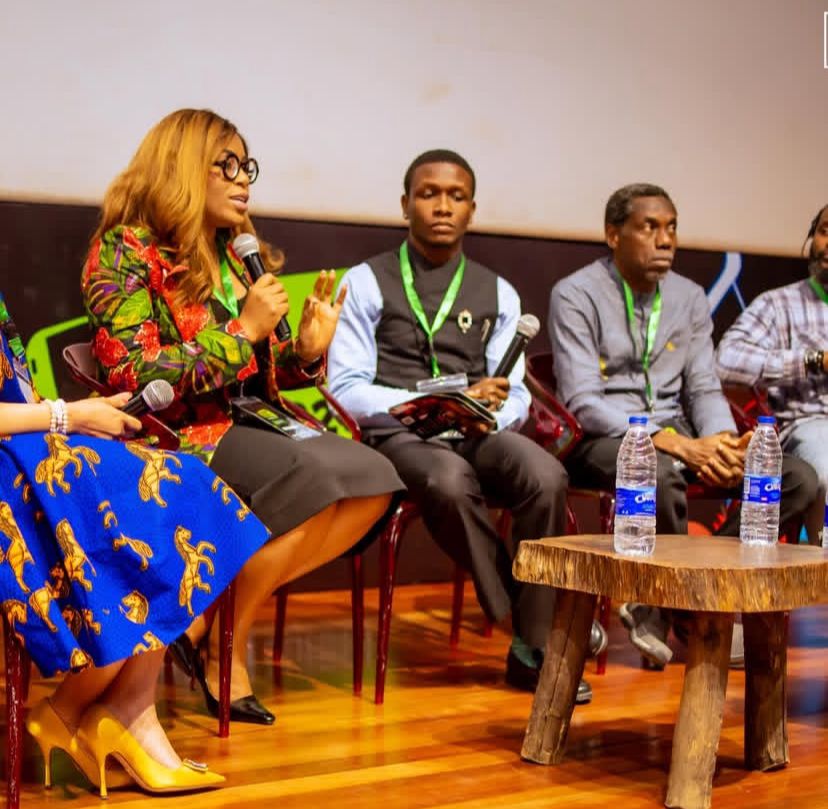
During a policy-focused session featuring Muyiwa Kayode, Izehi Semira Anuge, Adedolapo Adedapo, and Dickson Etim, a staggering reality was revealed: over $600 million in funding is available to Nigerian creators through initiatives like the iDICE programme yet most studios have not applied.
Not because they don’t qualify. But because they’re not structured enough to.
It was one of the most uncomfortable truths of the entire summit. Creators are building ideas, not systems.
Passion is high, but documentation is weak. Vision exists, but business clarity doesn’t.
And in a global industry driven by scalability and impact, that gap is costing millions.
The conversation didn’t stop at funding. It extended into visibility and how creators misunderstand it.
Opportunities like national recognition platforms were highlighted not just as awards, but as distribution channels capable of reaching audiences across television and educational systems.
The kind of visibility that doesn’t just trend, but lasts.
There was also a strong sense that the ecosystem itself is evolving.
Conversations around policy hinted at real structural changes from reduced costs for creative equipment to the introduction of digital art programs in universities and improved cross-border payment systems. The infrastructure is slowly being built.
But creators have to be ready to plug into it.
From Content Creators to Industry Builders
In a quieter but equally powerful moment, a fireside chat featuring Vanessa Sinden brought the focus back to storytelling.
In an industry increasingly chasing global validation, she made one thing clear: Africa’s strength is not in imitation. It’s in authenticity.
The stories that will travel are not the ones trying to sound Western. They are the ones deeply rooted in African realities, told with clarity and confidence.
That idea of ownership came up again in a session led by Ashley Alleyne Van-De-Cruize, where the conversation shifted from content creation to intellectual property.
The message was simple but critical if creators don’t own what they build, they don’t control where it goes.
And in a global market, ownership is everything.
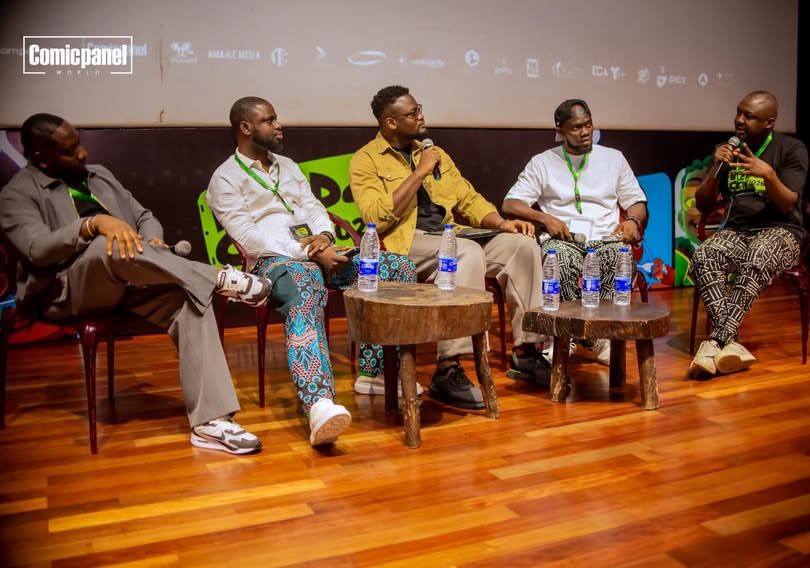
The day closed with a forward-looking conversation on the creator economy, featuring Emeka Nehemiah, Israel Obasola, Jimoh Bodunde Samsideen, and Damilola Ajani.
Here, the focus shifted from studios to individual creators and how success is being redefined in real time.
The idea that “more views equals more success” was challenged directly. What matters now is not how many people watch, but how many people stay.
A small, loyal audience can sustain a creator far more effectively than a large, passive one.
There was also an uncomfortable but necessary reminder that audience behavior matters.
Skipping ads, ignoring monetization channels, and consuming content passively all have direct consequences on creators trying to build sustainable careers.
More importantly, creators themselves are evolving. They are no longer just artists.
They are building ecosystems, combining content, products, communities, and data into something far more strategic than a single piece of work.
Because in today’s industry, data is just as valuable as creativity.
Every click, every watch time, every interaction feeds into funding decisions, brand deals, and long-term growth.
By the end of Day 2, the tone had completely shifted.
This was no longer about whether African animation has potential. That question has already been answered.
The real question now is whether creators are ready to operate at the level that potential demands.
Because the resources are there. The audience is growing. The world is watching.
But without structure, ownership, and intentional strategy, none of it converts.
Day 2 didn’t just highlight problems. It drew a line. African animation is no longer chasing attention.
It’s learning how to turn that attention into power