Nigeria’s competitive gaming scene has taken a decisive leap forward with the official naming of CADE Esports as the country’s national team partner for the inaugural Esports Nations Cup 2026. The announcement signals a defining moment for Nigerian esports, positioning the country among those set to compete on a global stage under a unified national banner.
The development was first reported by Esports Africa News, which confirmed CADE Esports’ appointment as Nigeria’s official partner for the tournament. According to the report, CADE will spearhead team coordination, preparation, and representation as the country gears up for one of the most ambitious international esports competitions to date.
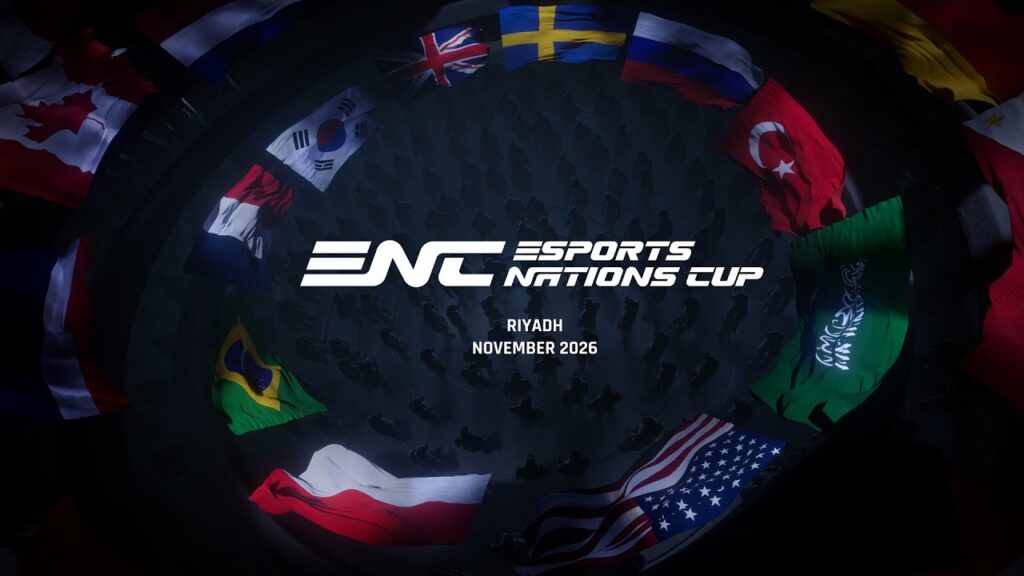
The Esports Nations Cup 2026 is designed as a national-team-based competition that mirrors the patriotic spirit of traditional sporting tournaments. Rather than independent clubs or private organizations competing, players will represent their countries, elevating esports into the realm of national pride and structured sporting identity.
Nigeria’s inclusion in the competition places the country firmly within a growing movement that sees African teams stepping onto larger global platforms. A broader continental overview published by Focus Gaming News highlighted how multiple African nations are preparing for participation in the historic event, underlining the tournament’s significance for the region.
For Nigeria, this is more than participation; it is a statement. Competitive gaming in the country has expanded rapidly over the last decade, fueled by grassroots tournaments, mobile gaming dominance, and a surge in youth engagement with global esports titles. However, international representation has often lacked coordination. The appointment of CADE Esports introduces structure, accountability, and long-term vision.
As national team partner, CADE Esports is expected to oversee player selection processes, training frameworks, strategic preparation, and logistical arrangements. This level of organization is crucial for ensuring Nigerian players can compete effectively against established esports powerhouses.
The announcement has sparked conversations within Nigeria’s gaming ecosystem. Industry voices have expressed optimism that the move could attract investment, sponsorship opportunities, and wider institutional support for esports development in the country.
One of the notable reactions came from esports advocate Kunmi Adenipebi, who shared his thoughts publicly on LinkedIn. In his post, he emphasized the importance of Nigeria taking structured steps in esports representation and celebrated the milestone as a validation of years of grassroots work within the community. His full statement can be viewed here:
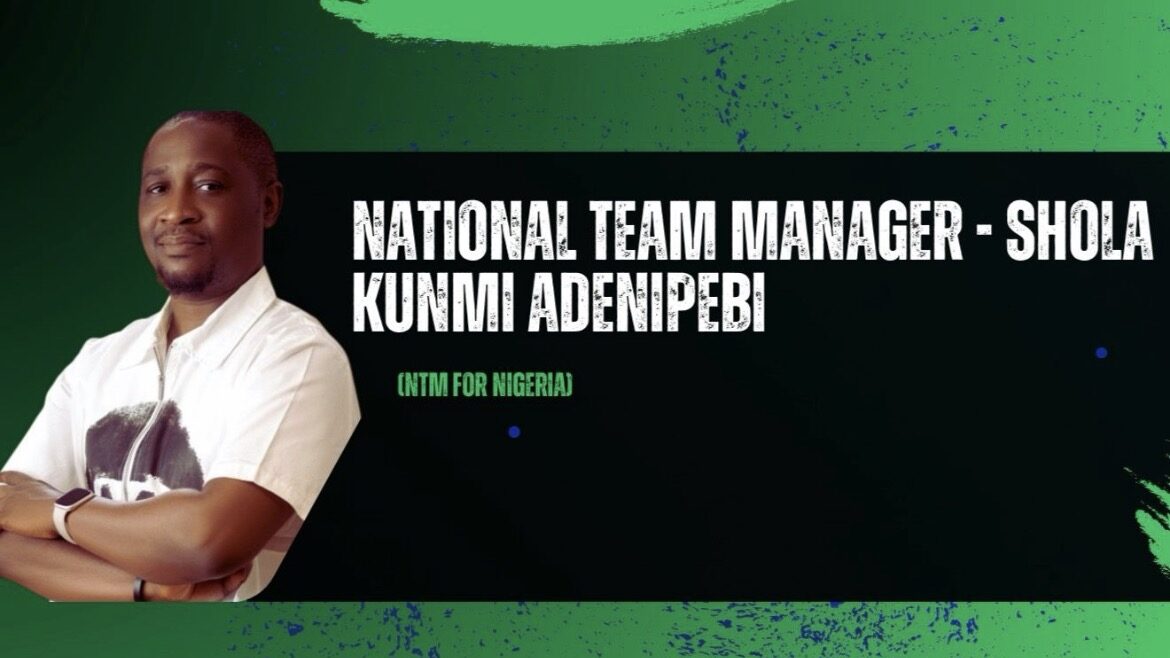
Kunmi’s remarks reflect a broader sentiment among Nigerian gaming stakeholders: this moment has been a long time coming. For many players who have competed in local tournaments with limited international exposure, the Nations Cup presents a rare opportunity to showcase Nigerian talent on a truly global platform.
The Esports Nations Cup itself represents a new model of competition. Rather than fragmented regional qualifiers, it consolidates national representation into one structured international event. African participation, in particular, signals a shift in global esports recognition. The continent has long been viewed as an emerging market; this tournament may redefine that perception.
Nigeria’s selection is symbolic of its growing influence within African gaming circles. The country boasts one of the largest youth populations on the continent, and with increased internet penetration and smartphone accessibility, gaming communities have expanded significantly. Competitive titles ranging from football simulations to battle royales and fighting games have built loyal followings across Lagos, Abuja, Port Harcourt, and beyond.
What remains to be seen is which titles Nigeria will field teams in and how the final squad will be assembled. The coming months are expected to clarify these details, including qualifiers or scouting processes that determine who earns the privilege of wearing national colors.
Beyond the competition itself, the partnership could influence policy conversations around esports recognition in Nigeria. Formal representation at an international level strengthens arguments for regulatory frameworks, sponsorship backing, and possible federation structures.
For African esports as a whole, the Nations Cup could be remembered as a turning point. It offers not only competitive exposure but also a platform for cross-border collaboration, talent exchange, and economic opportunity within digital sports.
Nigeria’s journey to the Esports Nations Cup 2026 is just beginning. The spotlight is now on CADE Esports to translate community excitement into disciplined preparation and international performance. Whether the national team returns with trophies or simply experience, the significance of this moment will endure.
This is more than a tournament entry. It is a declaration that Nigeria is ready to compete, not just locally, but globally, in the rapidly evolving world of esports.
As anticipation builds, one thing is clear: Nigerian gamers are no longer watching from the sidelines. They are stepping onto the world stage.