The global game development community is gearing up for an exciting new initiative: the Pan-African Game Jam 2026. Announced jointly by Global Game Jam and Lagos Games Week, this collaborative event brings together game creators from across Africa and beyond to design, build, and showcase original games, all within a limited time frame. This partnership aims to spotlight African game development talent while fostering innovation, collaboration, and cultural storytelling through interactive media.
The announcement was made public by Global Game Jam on its official news page, detailing plans to work closely with Lagos Games Week, one of Africa’s largest celebrations of gaming, technology, and digital creativity,to host a continental game jam modeled after the internationally recognized event format.
This Pan-African edition will give creators across the region a platform to innovate side-by-side with global peers, promoting skills, visibility, and opportunities for both indie and emerging studios.
What Is a Game Jam and Why It Matters
A game jam is an event where developers come together to create games from scratch within a set period, usually 24–72 hours. Participants can work individually or in teams to experiment, brainstorm, and produce prototypes that might become future hits or spark long-term creative collaborations. The experience rewards creativity, rapid iteration, and out-of-the-box thinking.
Global Game Jam, the organizing body behind this initiative, is a nonprofit community that champions game creation around the world. Founded to support interactive storytelling and design, the organization brings together thousands of developers each year in various cities and online spaces. The Global Game Jam network includes resources for creators and hosts events in hundreds of locations globally, making it one of the most influential collaborative game events worldwide.
For many developers, especially those just starting out, participating in a game jam provides valuable experience in teamwork, rapid prototyping, and creative problem-solving. It also opens doors to mentorship, networking, and potential partnerships that might not emerge through traditional development cycles.
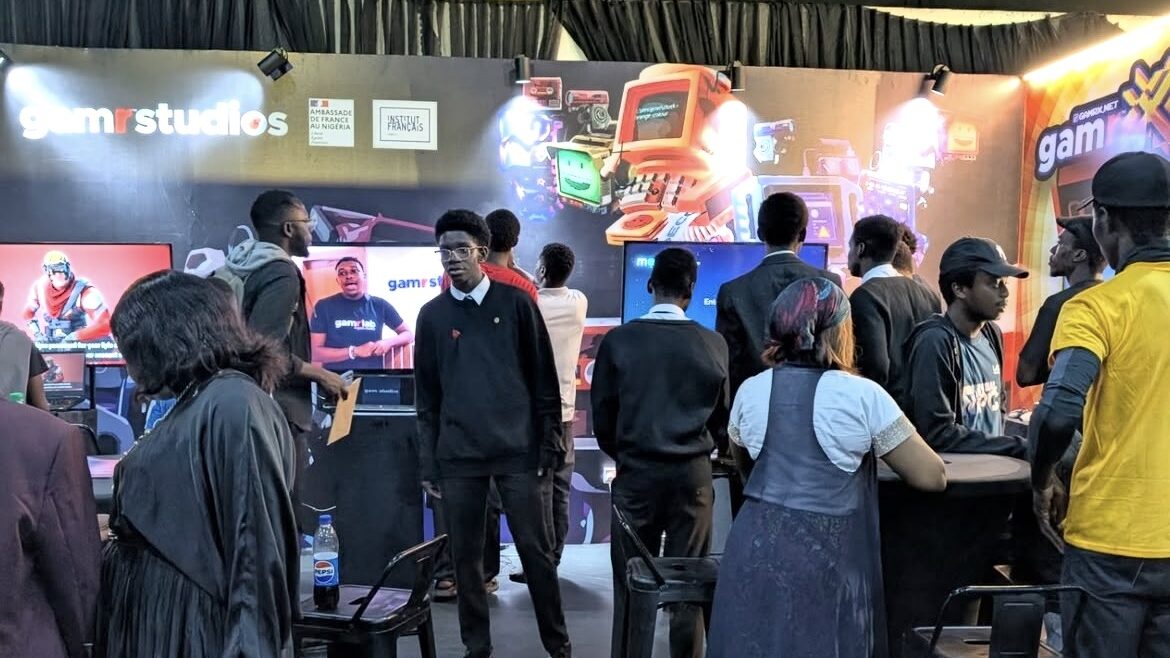
Pan-African Focus: Why It Matters for Game Development on the Continent
Africa’s game development scene has been growing steadily over the past decade. What was once a niche creative community has expanded into global markets, driven by indie developers, university programs, local studios, and passionate creators crafting culturally rooted games. However, access to global visibility, collaborative opportunities, and technical exchange has often lagged behind more established markets.
The Pan-African Game Jam seeks to bridge that gap by bringing developers together, both physically and digitally, to collaborate on projects that reflect African stories, mechanics, aesthetics, and design philosophies. By partnering with Lagos Games Week, a festival that itself celebrates the breadth of gaming culture, from competitive esports to local indie showcases, the event creates a powerful platform for African voices to stand alongside global counterparts.
Lagos Games Week’s role is central in this effort. As highlighted on the event’s official site, Lagos Games Week is more than a convention, it’s a cultural hub that brings gamers, creators, industry professionals, and students together to explore the latest trends in games, animation, interactive media, and digital storytelling.
This partnership is being celebrated as a milestone for African game development, a sign that international organizations and local communities can work together to amplify creative talent across borders.
How the Jam Works and Who Can Participate
The Pan-African Game Jam 2026 will follow the traditional structure of game jams but with a specific focus on encouraging participation from African creators:
- Open to beginners and seasoned developers: The event welcomes all skill levels, from students making their first prototype to indie studios honing their craft.
- Collaborative by design: Participants can form multidisciplinary teams, including artists, programmers, designers, and writers, to build games that blend multiple perspectives.
- Cultural exchange: One of the key goals is to encourage developers to incorporate elements of African heritage, storytelling, and creativity into their projects.
- Global visibility: Completed prototypes will be showcased through official Global Game Jam channels, offering exposure to international audiences and industry professionals alike.
Global Game Jam also provides resources and support for participants worldwide. Its official listing of indie studios and jam resources highlights how essential community support is to game creation, offering tips, guidelines, and tools for teams working in diverse environments.
This means African developers, regardless of location or experience, will have access to the same support systems used by creators in other parts of the world.
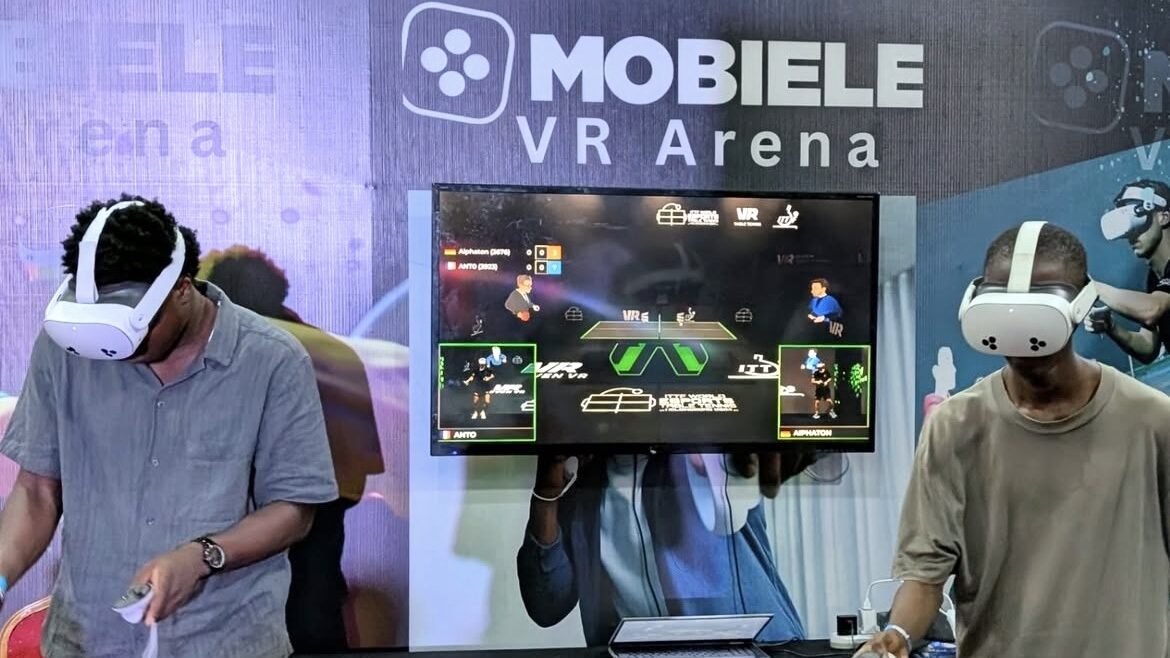
For developers in Nigeria and throughout Africa, the Pan-African Game Jam 2026 is more than a time-boxed event, it’s a moment of affirmation.
By giving creators a shared space to build and launch game prototypes, the jam encourages cross-cultural ideas and highlights the diversity of African experiences. It also creates opportunities for:
- Skill development: Rapid prototyping teaches developers how to work under constraints and think creatively.
- Network building: Participants connect with peers, industry leaders, and potential collaborators.
- Portfolio growth: Completed jam projects can become portfolio pieces that open doors to funding, publishing, or studio work.
- International exposure: With Global Game Jam’s distribution and visibility channels, African creations can reach wider audiences than ever before.
As African studios take center stage at events like the jam, larger conversations about game culture, representation, and innovation are being shaped, influencing not just local audiences but global players and publishers interested in African narratives and design styles.
Games as Cultural Storytelling
Game jams often reveal how games can act as cultural artifacts, blending art, narrative, mechanics, and interaction in powerful ways. When African developers bring regional languages, mythologies, music, and perspectives into their prototypes, those games become more than entertainment; they become ambassadors of cultural expression.
In recent years, games developed by African creators have gained recognition for their authenticity and innovation, proving that local perspectives can resonate with global audiences. The Pan-African Game Jam amplifies this trend by encouraging creators to make games that are not only playful but meaningful.
Global Collaboration Meets Local Creativity
By partnering with Lagos Games Week, Global Game Jam is acknowledging that some of the most vibrant creativity in the world can emerge where resources are limited but imagination is boundless.
The Pan-African edition is set to include both physical and digital participation, making it accessible to teams in cities like Lagos, Accra, Nairobi, Cairo, and beyond, as well as creators joining from smaller towns across the continent.
As the world watches, and as developers prepare their tools, ideas, and teams, the Pan-African Game Jam 2026 stands as a testament to what can happen when global frameworks meet local ingenuity.
For African developers, this is more than a competition, it’s a declaration that African game development has a voice, a vision, and a world-spanning stage on which to be heard.
Are you an aspiring game developer in Africa?
What kind of game would you build if you had only 48 hours, and who would you build it with?
Share your ideas with ComicPanel in the comment section below.