On the surface, Nollywood in 2026 still feels familiar. Cinemas are packed on weekends, movie posters dominate Instagram timelines, and opening-weekend figures continue to spark debates among fans and filmmakers. Yet beneath this sense of continuity, a quieter shift is taking place, one that is steadily redefining who truly holds power in Nigeria’s film industry.
Today, the most influential decisions in Nollywood are no longer made at star-studded premieres or press junkets. They are being shaped in private meetings, licensing negotiations, platform discussions, and post-release strategy calls. At the center of this evolution is a reality the industry can no longer ignore: streaming is no longer a supplement to Nigerian cinema, it is now one of its core pillars.
Cinema Still Matters, But Its Role Has Changed
For decades, the cinema was the ultimate destination for Nigerian films. A strong theatrical run defined success; a weak one often signaled failure. In 2026, that equation has shifted.
Cinemas remain important, but more as a launchpad than a final verdict. Many filmmakers now treat theatrical releases as a public test, a way to generate buzz, measure audience reaction, and establish cultural relevance. Box-office performance still matters, but increasingly for what it unlocks afterward.
Producers now view cinema runs as signals to platforms, investors, and international partners. Even films that don’t dominate ticket sales can gain leverage if they spark conversation, trend online, or resonate deeply with a specific audience. Success is no longer defined by one explosive weekend, but by the momentum that follows.
Streaming’s Quiet Power Behind the Scenes
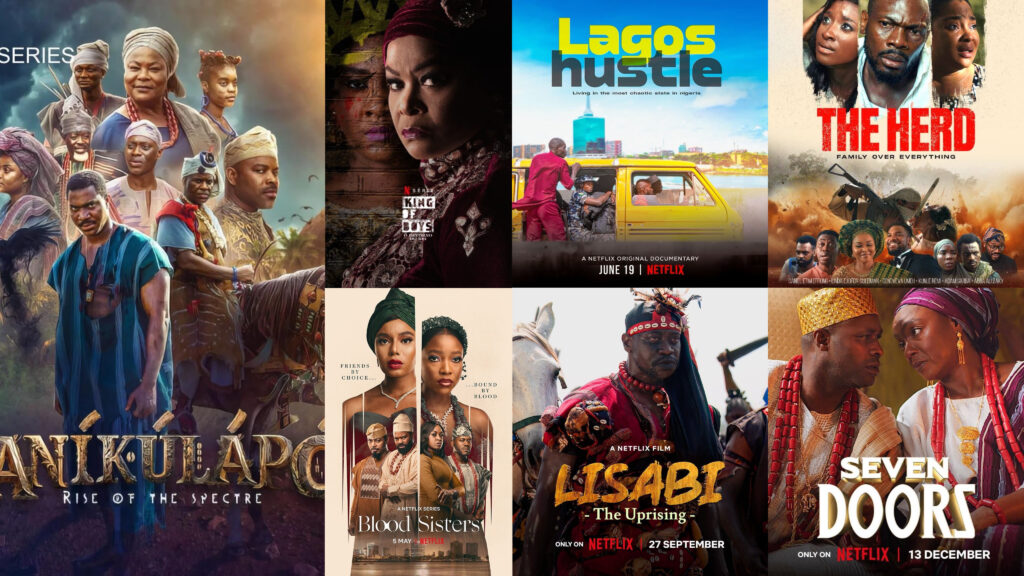
While box-office debates play out publicly, the real recalibration is happening behind closed doors through streaming negotiations. Platforms like Netflix and Amazon Prime Video have become deeply embedded in Nollywood’s planning and financing processes.
For many filmmakers, streaming deals offer something cinemas can’t always guarantee: certainty. Licensing agreements often come with upfront payments, predictable timelines, and immediate access to global and diaspora audiences. In an industry facing rising production costs and fluctuating cinema attendance, this stability is increasingly attractive.
Crucially, these deals are no longer afterthoughts. In many cases, streaming conversations begin before filming even starts. Scripts, budgets, and marketing strategies are now being shaped with digital life in mind, sometimes even more than the theatrical run.
This has subtly shifted the balance of power. Control no longer lies solely with cinemas or opening-week figures. It increasingly belongs to those who can negotiate smartly, retain rights, and plan for long-term visibility.
How This Shift Is Influencing Nollywood Storytelling
As the business evolves, so does the storytelling. Nollywood films in 2026 reflect a growing awareness of digital-first audiences, even when they debut in cinemas.
Narratives are becoming tighter and more focused. Stories move with urgency, emotional arcs are clearer, and pacing has sharpened, not because platforms demand it, but because audiences now have endless choices. Attention is no longer guaranteed.
There’s also a stronger emphasis on universality. A film released today might be watched tomorrow in Lagos, next week in London, and months later by a first-time Nollywood viewer elsewhere. This reality has encouraged greater clarity in dialogue, structure, and character motivation.
Creativity isn’t disappearing, it’s being negotiated, balancing artistic ambition with changing audience habits and platform economics.
The Changing Reality for Nigerian Cinemas
For cinema operators, this evolution brings both opportunity and pressure. Cinemas still offer what streaming cannot fully replicate: communal experience, cultural validation, and prestige.
However, exclusivity is fading. Release windows are shrinking, competition for screens is intense, and films now have less time to prove themselves theatrically. Opening weeks have become more critical than ever.
Cinemas remain vital, but no longer operate as the undisputed center of the ecosystem. They are now one powerful piece of a much larger puzzle.
A Quieter, More Complex Measure of Success
Perhaps the most profound change in 2026 is how success is defined. Box-office numbers are still discussed loudly, but streaming performance is assessed quietly. Completion rates, engagement data, and long-term viewership now matter just as much, sometimes more.
A film can underperform in cinemas yet thrive digitally over time. Another may open strong and fade quickly once it reaches streaming. In this environment, reputation, consistency, and audience trust have become the industry’s most valuable currencies.
Nollywood is at a defining crossroads. Streaming has expanded access, stabilized revenue for many productions, and taken Nigerian stories to global audiences. At the same time, it has raised pressing questions about ownership, creative control, and sustainability.
The industry is no longer choosing between cinema and streaming. It is learning how to exist within both, balancing visibility with longevity, prestige with predictability.
The decisions being made in 2026 will shape how Nigerian films are financed, distributed, and remembered for years to come. The shift may be quiet, but its impact will be lasting.
Do you think streaming platforms are strengthening Nollywood, or changing it too much?
Does a cinema release still influence how you value a Nigerian film?
Join the conversation in the comments and follow ComicPanel for daily film and culture coverage.