In one of the most significant streaming deals of the decade, Netflix and Sony Pictures Entertainment (SPE) have agreed to a multi-year worldwide “Pay-1” licensing deal valued at over $7 billion, granting Netflix exclusive streaming rights to Sony’s theatrical films after their cinema and home video windows. The deal, described by Deadline’s Anthony D’Alessandro and Sony’s own press release as an industry first, marks a major shift in how blockbuster films reach audiences after theatrical release.
Under the agreement, Netflix will become the exclusive Pay-1 streaming home of Sony’s feature films globally, a first for a major Hollywood studio’s full slate of theatrical releases. The pact expands on an existing regional relationship that previously gave Netflix rights in markets like the U.S., Germany, and Southeast Asia, and extends it across nearly all territories worldwide. The rollout is expected to begin later this year and reach full global implementation by early 2029, with the agreement extending through 2032.
What “Pay-1” Means
In Hollywood distribution, “Pay-1” refers to the first window after a film’s theatrical and home entertainment release, the period when a movie first becomes available on a streaming platform. Traditionally, different regions and platforms negotiate these windows separately. Netflix’s new global Pay-1 deal with Sony means that once Sony’s movies complete their theatrical runs and Blu-ray/VOD windows, they will go directly to Netflix as the first streaming destination worldwide.
This type of unified streaming window is unprecedented at this scale, especially for a major Hollywood studio’s entire slate of feature films. It guarantees Netflix a steady pipeline of blockbuster content for its global subscriber base, content that once rolled among various platforms and regional partners.
Major Titles Included and Early Rollout Details
The deal covers a wide variety of high-profile films from Sony’s upcoming slate and library. Among the initial movies expected to stream on Netflix under the new global Pay-1 arrangement are:
- The Nightingale (Dakota & Elle Fanning)
- Spider-Man: Beyond the Spider-Verse (trilogy finale)
- The Legend of Zelda (live-action)
- Buds (Sony Pictures Animation)
- Sam Mendes’ quartet of Beatles films
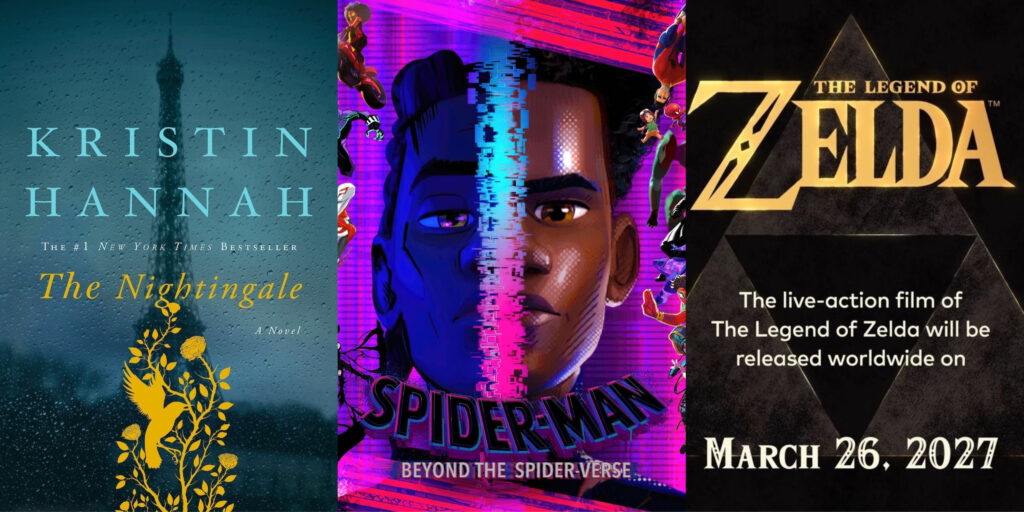
These titles demonstrate the range of Sony’s catalog, from family animations and franchise tentpoles to prestige dramas. Previously, under more limited regional deals, Netflix has already streamed hits such as Uncharted, Spider-Man: Across the Spider-Verse, Venom: The Last Dance, Anyone But You, and related titles.
What the Industry Is Saying
Sony’s official announcement noted that this expanded Pay-1 deal reinforces the strength of Sony’s independent studio model while giving Netflix subscribers broad access to beloved and anticipated films across genres. Netflix’s Vice President of Licensing and Programming Strategy said the expanded partnership adds “incredible value” to global memberships by delivering such content outside of selective territories.
For Netflix, the agreement strengthens its position in an increasingly competitive streaming landscape, where content libraries and exclusive rights are key differentiators. It also complements Netflix’s broader strategic moves, including its ongoing effort to acquire Warner Bros Discovery’s film and studio assets in a separate deal valued in the tens of billions.
How This Changes the Streaming Landscape
This deal reflects a broader shift in how studios and streamers collaborate:
- Studios benefit from predictable, global streaming revenue without maintaining their own platform in every territory.
- Streaming services secure premium content that keeps subscribers engaged over the long term.
- International audiences gain more consistent access to major films regardless of region.
For audiences worldwide, this means blockbuster films will no longer appear first on different services depending on where you live. Instead, Netflix will host Sony’s theatrical slate as the first streaming window across most countries, a major win for viewers seeking unified access.