Indie sci-fi games continue to push creative boundaries, and Orbital is quickly positioning itself as one of the most intriguing new titles on the horizon. Recently highlighted across gaming platforms and industry conversations, Orbital blends atmospheric world-building, thoughtful gameplay design, and a distinct indie sensibility that sets it apart from conventional space-themed games.
Developed with a strong focus on immersion and exploration, Orbital places players in a carefully constructed universe where survival, movement, and environmental awareness play a central role. Rather than relying on fast-paced spectacle alone, the game leans into mood, tension, and discovery, encouraging players to engage deeply with its mechanics and setting.
At its core, Orbital is designed around the idea of isolation in space. Players must navigate orbital environments where every movement matters, making physics-based control and precision a defining feature of the experience. This approach not only raises the skill ceiling but also creates moments of genuine suspense, especially when navigating tight spaces or reacting to unexpected obstacles.
What makes Orbital stand out is its deliberate pacing. The game doesn’t rush players through its challenges. Instead, it rewards patience, observation, and experimentation. This design philosophy reflects a growing trend in indie game development, prioritizing player agency and atmosphere over constant action. It’s a choice that allows Orbital to carve its own identity in a genre often dominated by large-scale combat and cinematic storytelling.
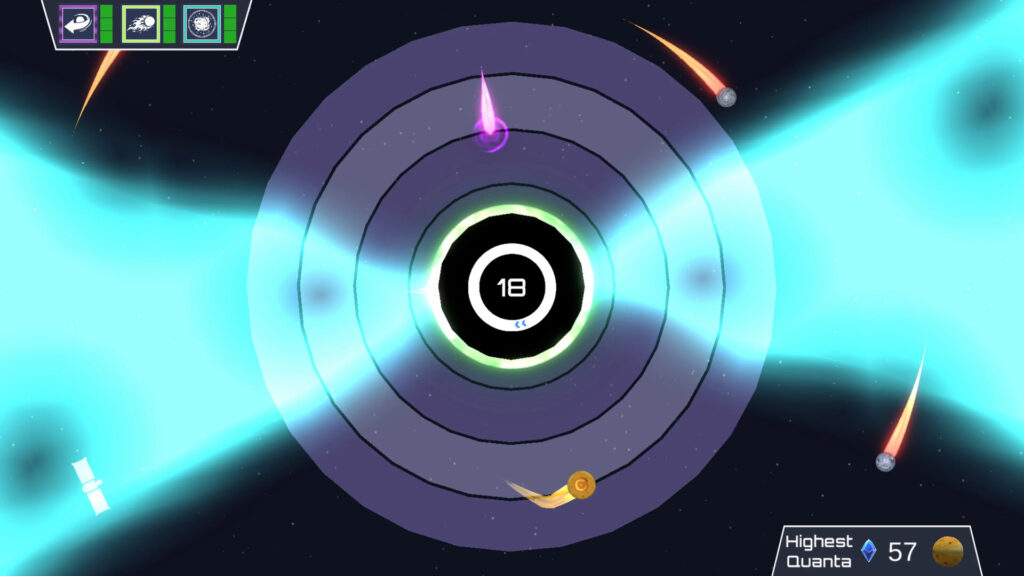
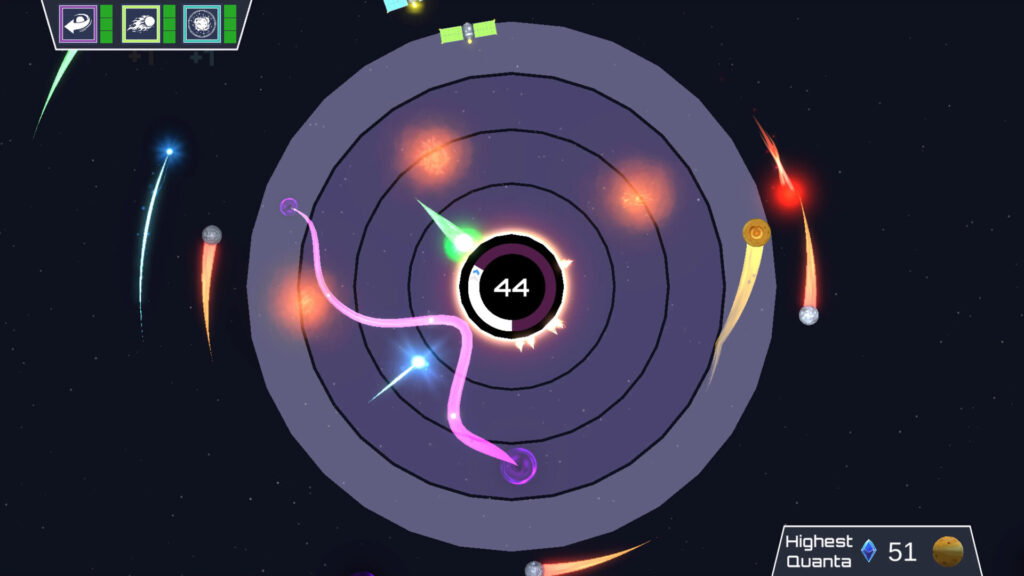
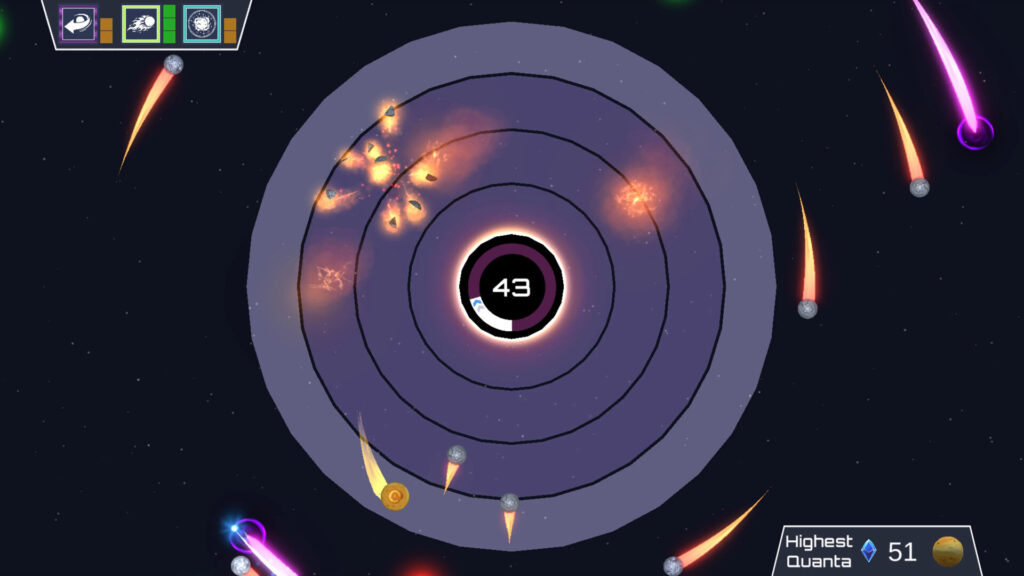
Visually, Orbital embraces a clean yet evocative aesthetic. The environments feel vast and quiet, reinforcing the loneliness of space while still maintaining a sense of wonder. Lighting, environmental effects, and subtle visual cues all work together to guide players without excessive hand-holding. The result is an experience that feels both challenging and meditative.
The game has already begun attracting attention within indie gaming circles, with early impressions pointing to its strong concept and focused execution. While full details about its final content and release timeline are still emerging, Orbital’s presence on major platforms signals growing confidence from both its developers and the wider gaming community.
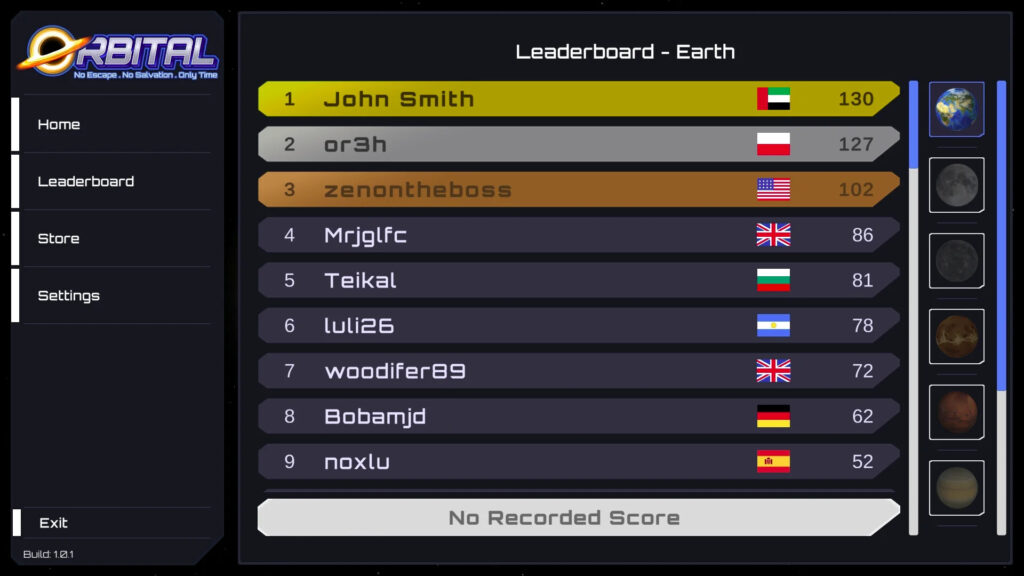
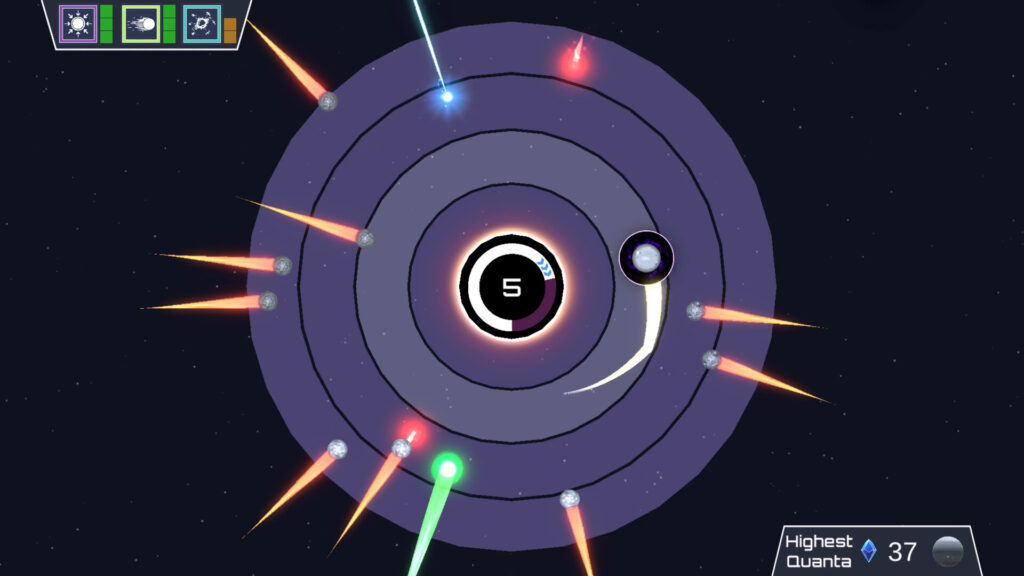
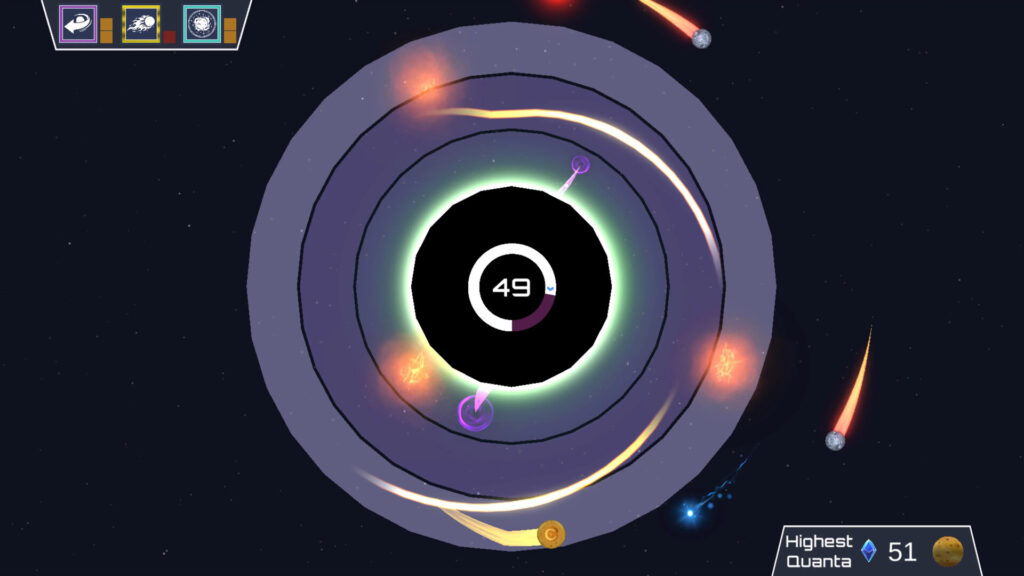
For players interested in supporting the project ahead of launch, Orbital is now available to add to your Steam wishlist, allowing fans to stay updated on future announcements, demos, and release plans.
As anticipation builds, Orbital represents another exciting example of how indie developers continue to reshape the sci-fi genre, one carefully crafted experience at a time. ComicPanel will keep a close eye on the game as more details surface, especially as it moves closer to release.
Would you play a slow-burn, atmospheric sci-fi game like Orbital? Let us know if this is going on your Steam wishlist