African game developers are increasingly exploring new ways to tell stories and create experiences that reflect the continent’s culture. One project that stands out in this growing movement is Riziki, a rhythm-based video game developed by Weza Interactive Entertainment. The game centers on African music, dance, and cultural identity, offering players an interactive journey through the sounds and rhythms of the continent.
While rhythm games have long existed in the global gaming industry, Riziki takes a fresh approach by placing African music and storytelling at the heart of its design.
A Game Inspired by Africa’s Musical Heritage
At its core, Riziki invites players to follow the beat of African music while guiding characters through environments inspired by the continent’s cultural landscape. The developers describe the game as an exploration of three powerful elements that connect people across Africa: music, rhythm, and community.
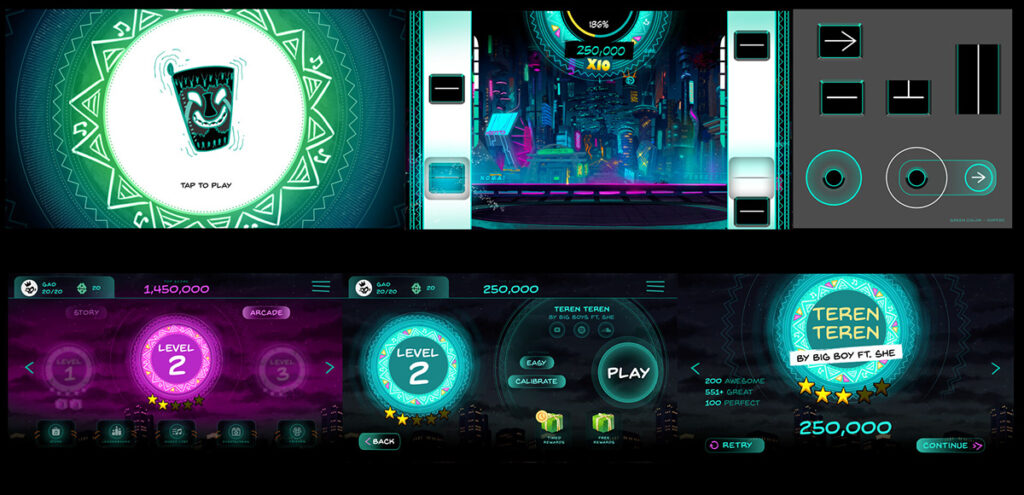
Players progress through the game by matching their actions to the rhythm of the soundtrack, unlocking new songs, dances, and visual styles as they advance. Each stage introduces musical influences from different regions, allowing players to experience a wide range of African sounds, from traditional rhythms to modern genres such as Afrobeats and Amapiano.
This design transforms Riziki into more than a typical rhythm challenge. Instead, it becomes a musical journey that celebrates the diversity and energy of Africa’s cultural soundscape.
Gameplay and Platforms
Riziki is being developed as an indie rhythm game and is currently available through an early build release. The title is designed primarily as a single-player experience where players must respond to musical cues by performing actions in sync with the beat.
Much like other rhythm-based games, success depends on timing and pattern recognition. However, Riziki distinguishes itself through its soundtrack and cultural themes. Instead of relying on Western pop or electronic music, the game highlights African rhythms and musical traditions.
Players interested in trying the game can download it directly from the official development page. To access the current version or follow the game’s development updates, visit the official website:
The developers have made the game accessible to a wide audience, with versions available for iOS, Android, PC, and Xbox, allowing players across multiple platforms to experience the project.
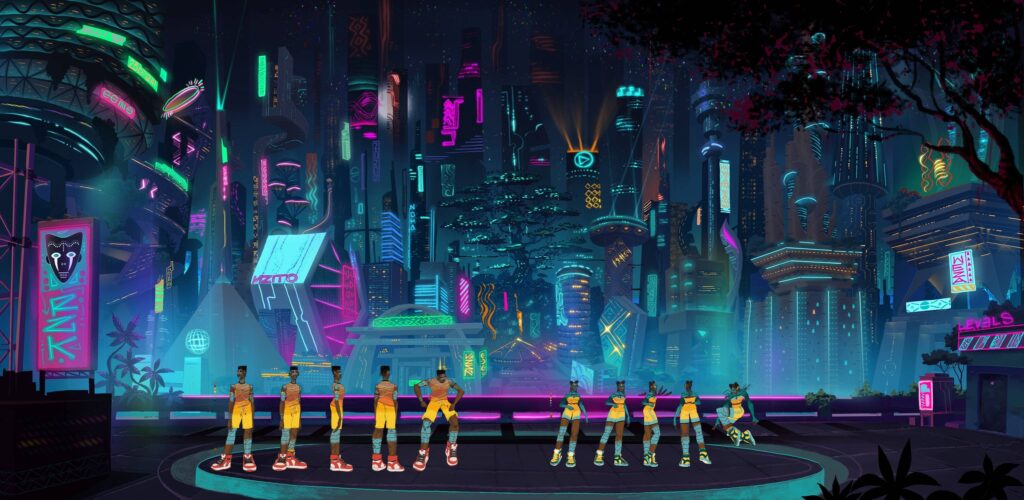
Visual Style and Cultural Inspiration
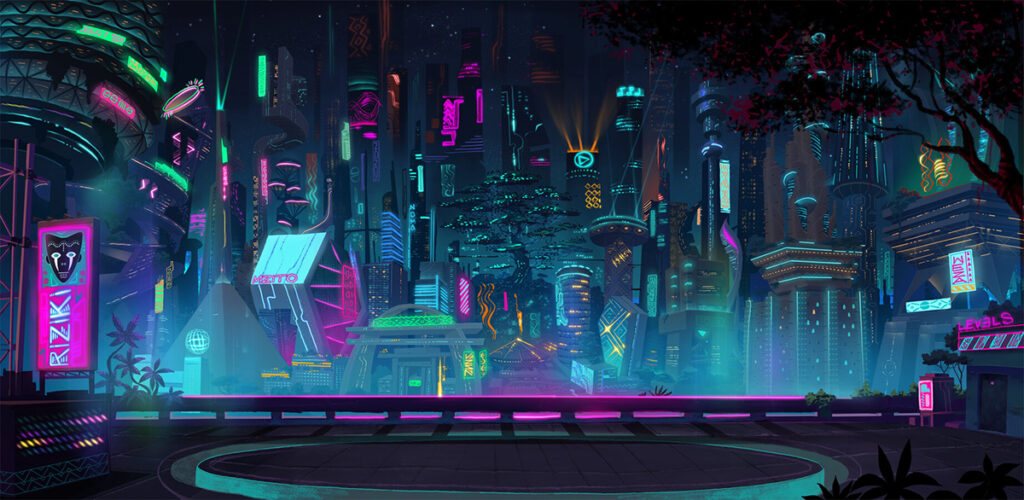
The visual design of Riziki blends traditional African aesthetics with futuristic creativity. Artists working on the project have explored environments inspired by African architecture, textiles, and landscapes, creating settings that move between historical environments and futuristic interpretations of African cities.
These environments help reinforce the game’s central theme of cultural continuity, showing how African heritage can exist alongside modern creativity and technological innovation.
The result is a colorful and energetic visual style that mirrors the rhythm and vibrancy of the music driving the gameplay.
Why Riziki Matters for African Gaming
The development of Riziki highlights an important shift within the African gaming industry. For decades, the global gaming market has largely been dominated by studios from North America, Europe, and East Asia.
African developers often face challenges such as limited funding, fewer publishing opportunities, and smaller distribution networks. Despite these obstacles, a new generation of creators is working to build games that reflect African identity and storytelling.
Projects like Riziki demonstrate how African developers are beginning to carve out their own creative space by focusing on culturally authentic experiences.
For young gamers across Africa, titles like Riziki also offer something that has historically been rare in mainstream gaming, interactive worlds that reflect their own culture and creative influences.
The Future of the Project
Riziki continues to evolve as an independent game project. The developers are actively refining gameplay mechanics, expanding the music catalogue, and introducing more environments inspired by different parts of Africa.
Future updates are expected to introduce additional songs, dance styles, and gameplay features that deepen the cultural and musical experience.
If the project continues to grow, Riziki could become an important example of how African game developers are building unique experiences that celebrate the continent’s creativity while also appealing to players around the world.
Would you play a rhythm game built around African music and dance like Riziki?
And which platform would you prefer to play it on, mobile, PC, or console?
If you want to try the game or follow its development, you can download it through the official page here.
Share your thoughts and join the conversation with ComicPanel Africa.