In an industry where survival alone is a victory, reaching a decade is nothing short of extraordinary. For Spoof Animation, hitting the 10-year milestone is not just about longevity, it’s about transformation, impact, and a quietly radical belief that world-class animation can emerge from Nigeria and compete on a global stage.
Founded in Lagos, Spoof Animation has grown from a small, improvised creative space into one of Nigeria’s most respected animation studios, known for its technical growth, bold storytelling, and commitment to nurturing young talent. As the studio celebrates its 10th anniversary, its journey reflects both the challenges and possibilities of Africa’s evolving animation ecosystem.
Who Spoof Animation Is, and What They Do
Spoof Animation is a Nigerian animation studio focused on 2D and 3D animation, storytelling, original IP development, and creative training. Over the years, the studio has worked across animated shorts, commercial content, branded animation, and original projects aimed at international audiences.
What sets Spoof apart is not just its output, but its philosophy. The studio blends African-rooted stories with global animation standards, proving that local narratives can travel far when executed with craft, intention, and imagination. From stylized character animation to emotionally driven shorts, Spoof has steadily built a reputation for quality and creative discipline.
But Spoof’s story is inseparable from the man who started it.
Ayodele Elegba: The Dreamer Behind the Hat
At the center of Spoof Animation’s journey is Ayodele Elegba, animator, creative director, mentor, and one of the quiet architects of Nigeria’s modern animation movement.
Elegba’s path into animation wasn’t paved with privilege or certainty. Like many creatives in Nigeria, he navigated limited infrastructure, scarce funding, and an industry that barely existed in structured form at the time. What he had instead was vision: a belief that animation could be taught, learned, refined, and exported from Nigeria.
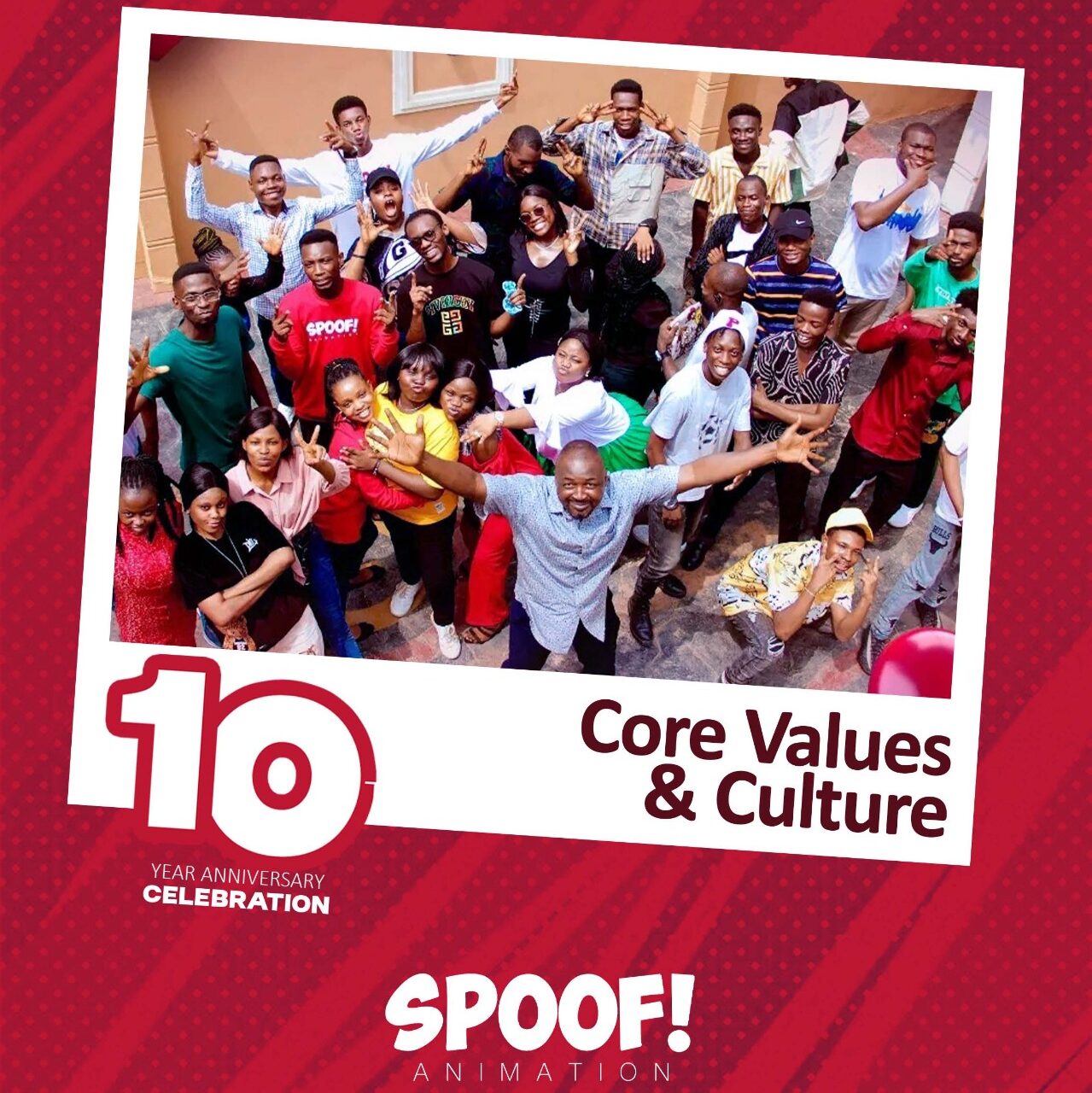
Before Spoof Animation became an official studio, Elegba was already teaching, mentoring, and experimenting. His passion for knowledge-sharing laid the groundwork for what would later become a defining part of Spoof’s identity, community building through education.
Through platforms like the Comic Panel Academy, Elegba created access for young creatives who had talent but no clear entry point into animation. That early emphasis on mentorship would later shape Spoof’s internal culture and long-term impact.
From a Small Room to a Growing Studio (2015–2016)
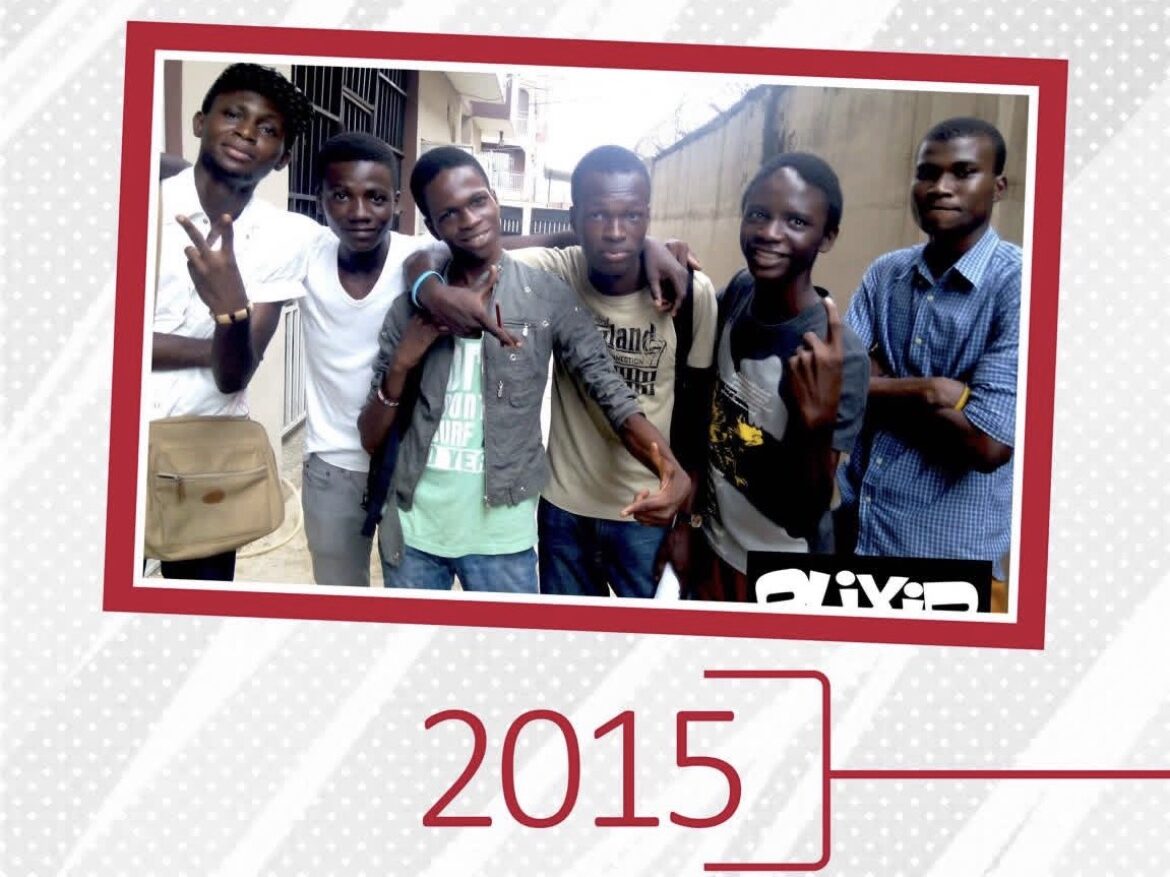
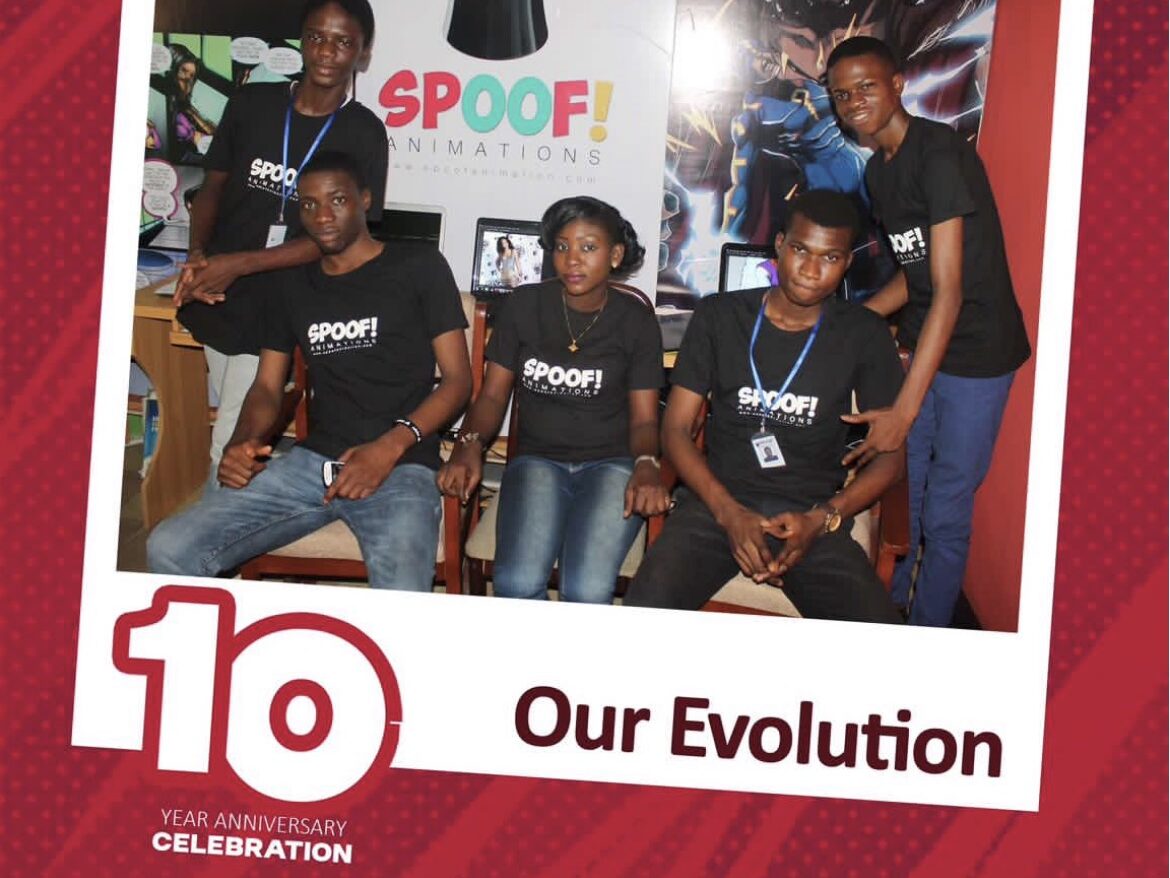
The Spoof story officially begins in 2015, not with a flashy launch, but with opportunity. Elegba opened his doors to a group of young boys eager to learn animation, offering guidance, structure, and hands-on experience at the Comic Panel Academy. Those early students would go on to become professionals, some remaining within Spoof’s ecosystem and others spreading their skills across the industry.
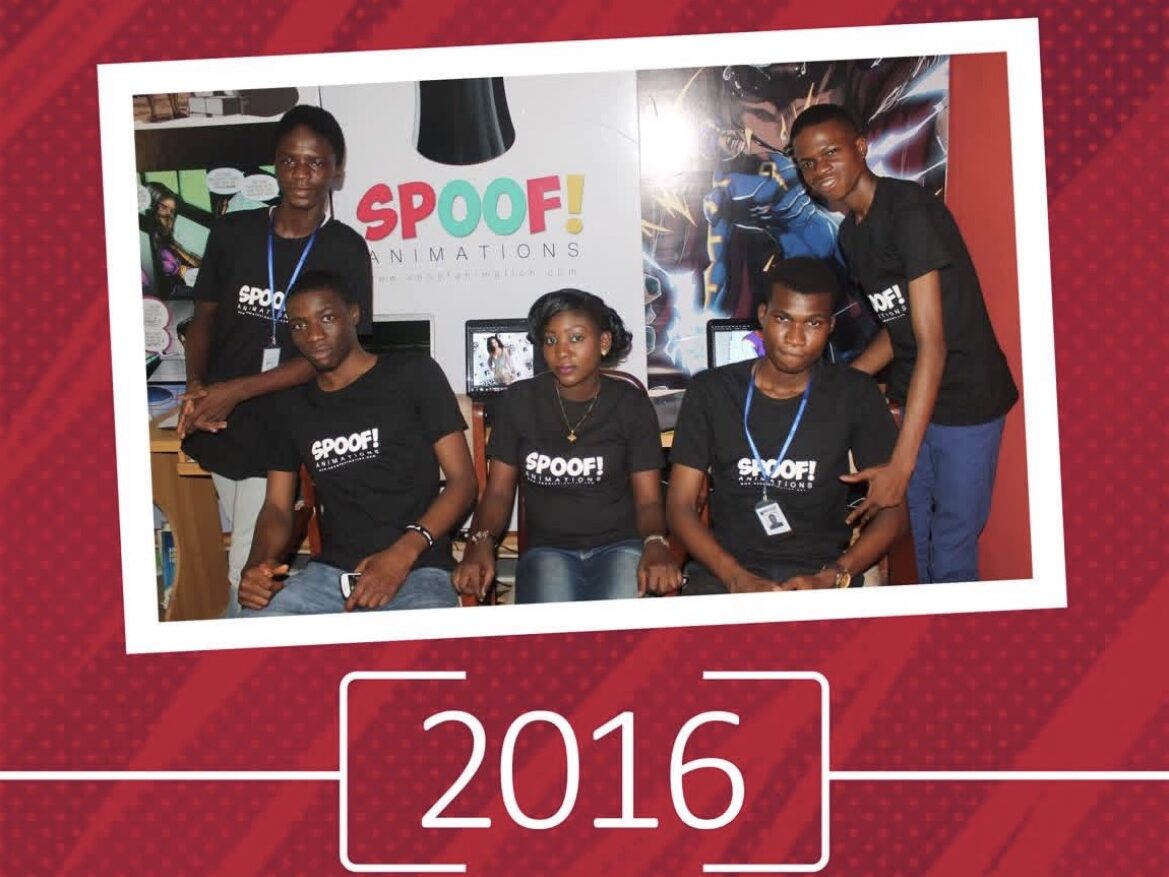
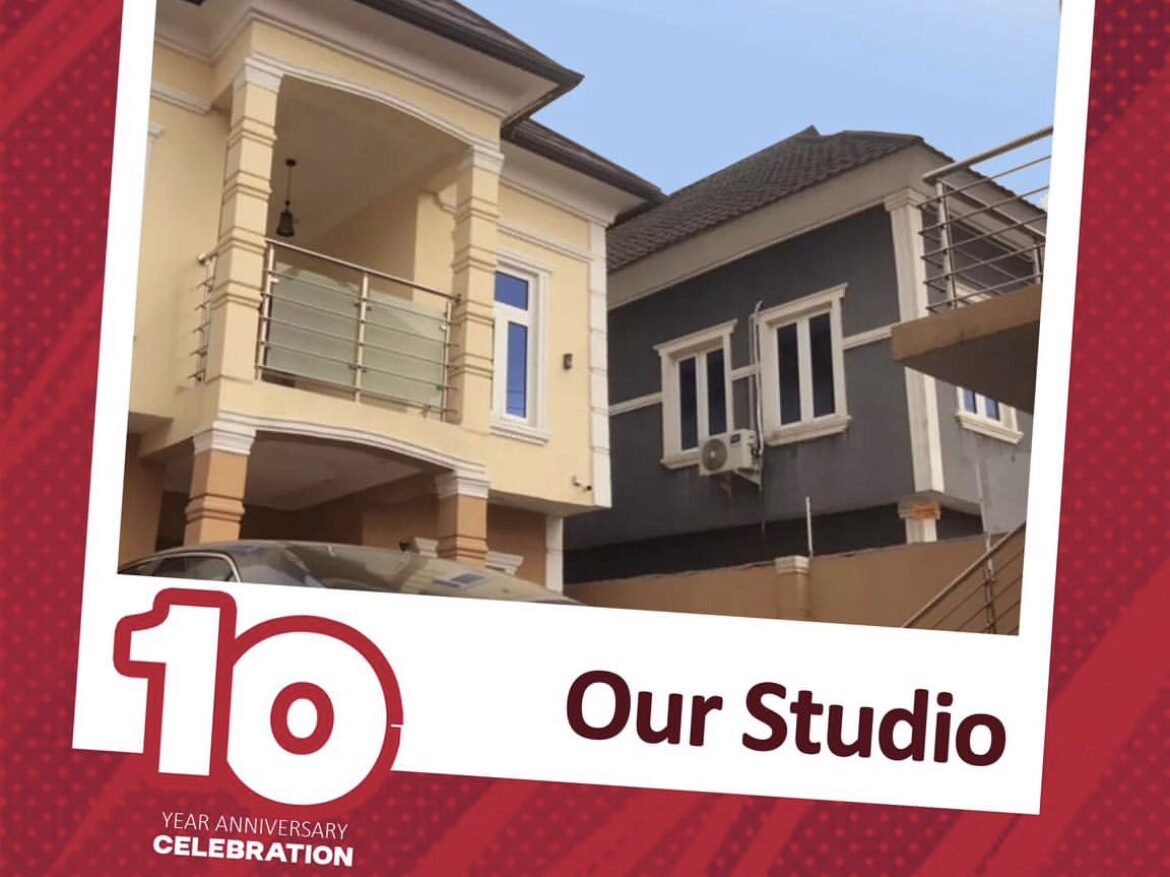
By 2016, Spoof Animation was formally launched as a studio with just five staff members, operating out of a mini storeroom in Ogba, Lagos. The space was small, the resources limited, but the ambition was anything but. Every project during this period was an experiment, testing workflows, refining visual language, and learning what it meant to function as a professional studio in Nigeria.
Growth, Recognition, and Industry Validation (2018–2019)
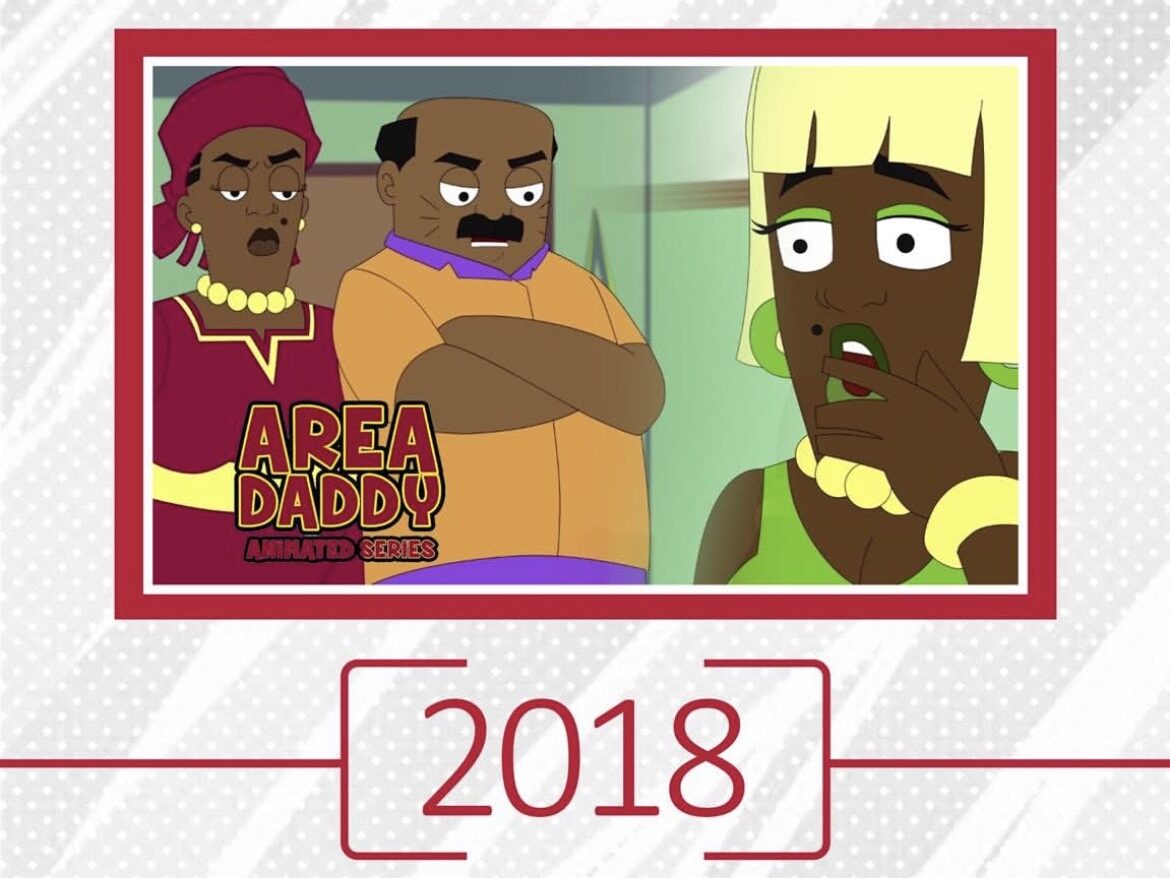
In 2018, Spoof Animation moved into its second office, a symbolic step forward that mirrored its creative growth. That same year marked a major turning point when Area Daddy, one of the studio’s projects, was selected at Discop Lab Africa in South Africa, a respected international platform for emerging content.
The selection was more than a milestone; it was validation. It signaled that Spoof’s work could stand shoulder-to-shoulder with studios beyond Nigeria.
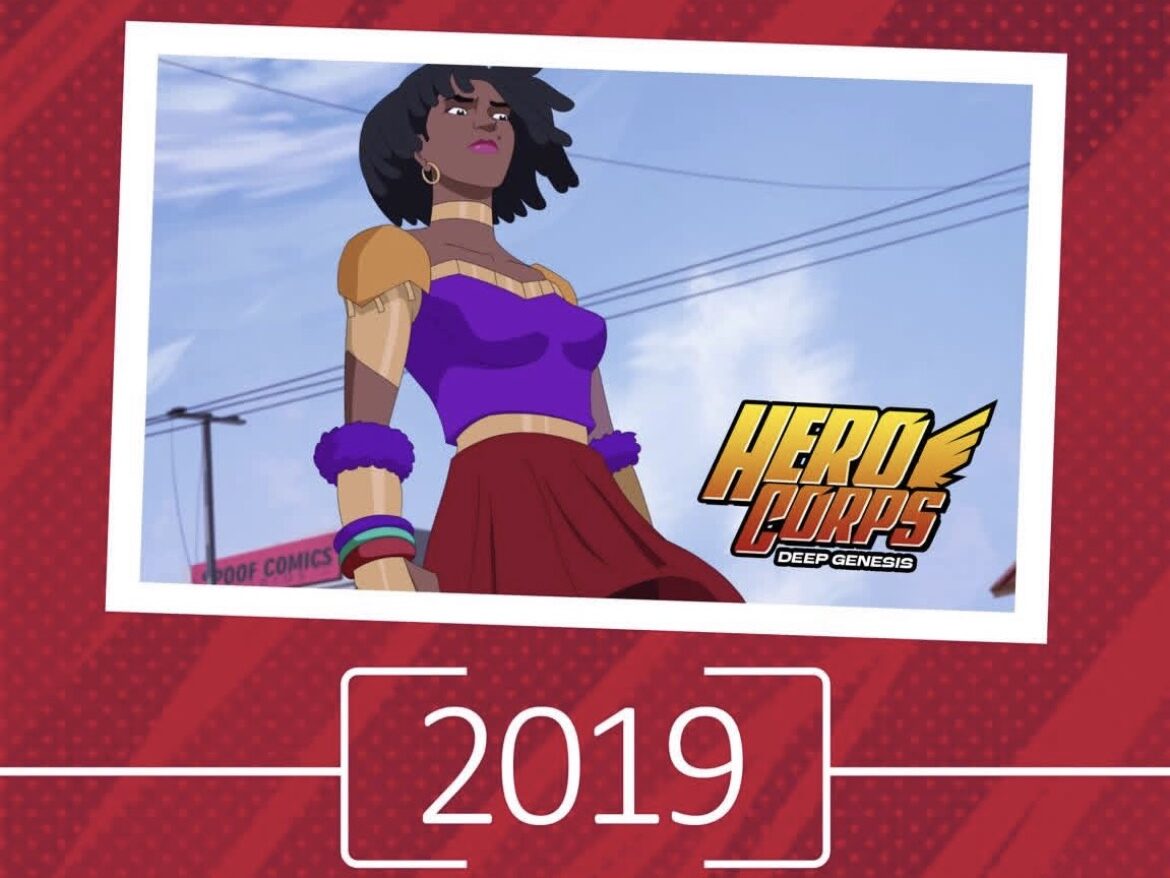
By 2019, Spoof relocated again, this time into its third office space, and produced Herocorps, an animated short that significantly elevated the studio’s technical quality. The project showcased improved animation fluidity, stronger visual storytelling, and a clearer creative identity.
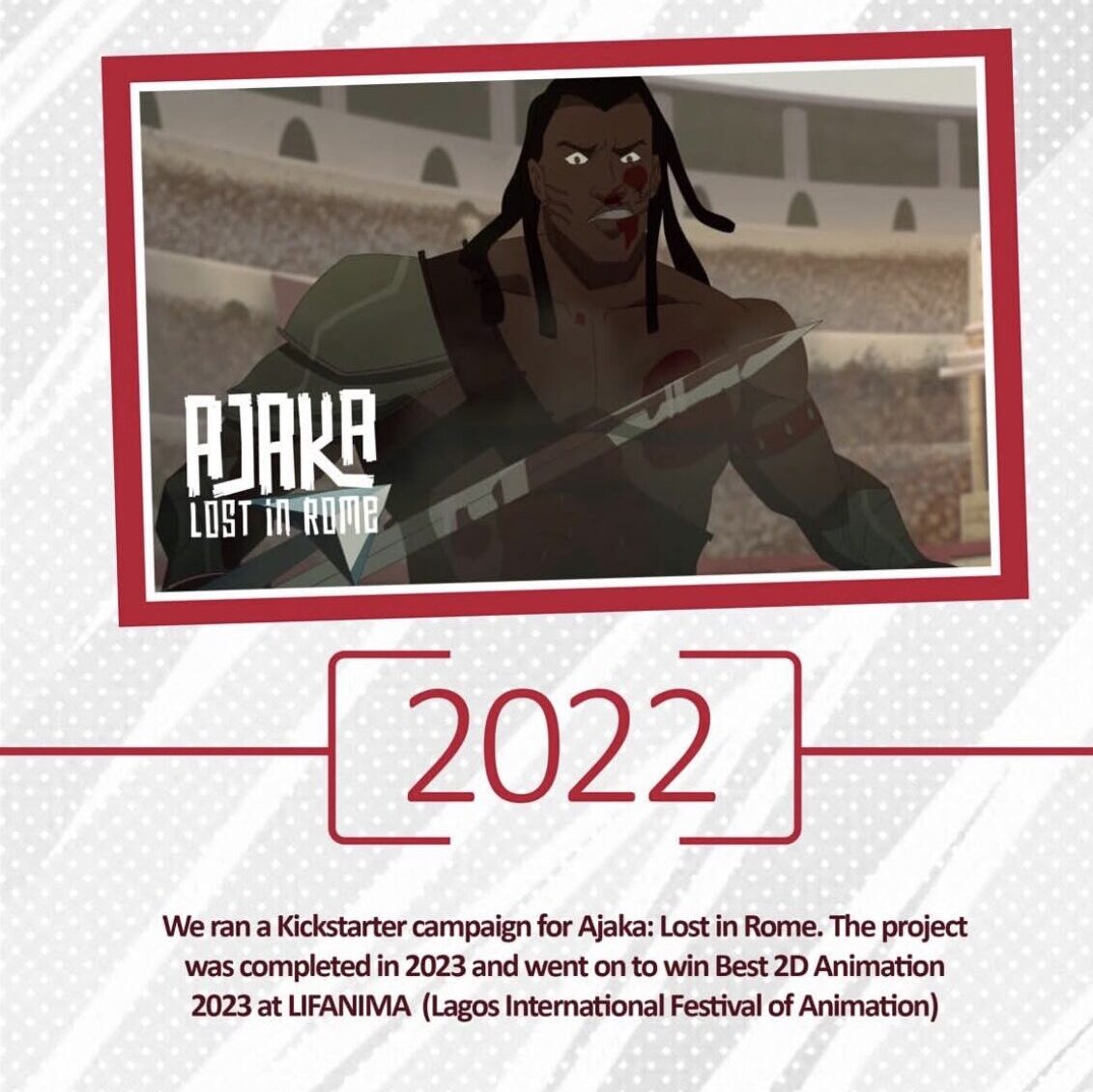
That same year, Spoof took a bold leap by launching a Kickstarter campaign for Ajaka: Lost in Rome, an ambitious project that tested not only their creative capacity but their ability to engage a global audience.
Ajaka, Awards, and Artistic Maturity (2023–2025)
Although Ajaka: Lost in Rome was initiated earlier, the project reached full completion in 2023, marking one of Spoof Animation’s most defining achievements. The payoff was worth the wait.
The film went on to win Best 2D Animation at the 2023 Lagos International Festival of Animation (LIFANIMA), cementing Spoof’s place among Nigeria’s leading animation studios. The award wasn’t just a trophy, it was a statement about consistency, patience, and growth.
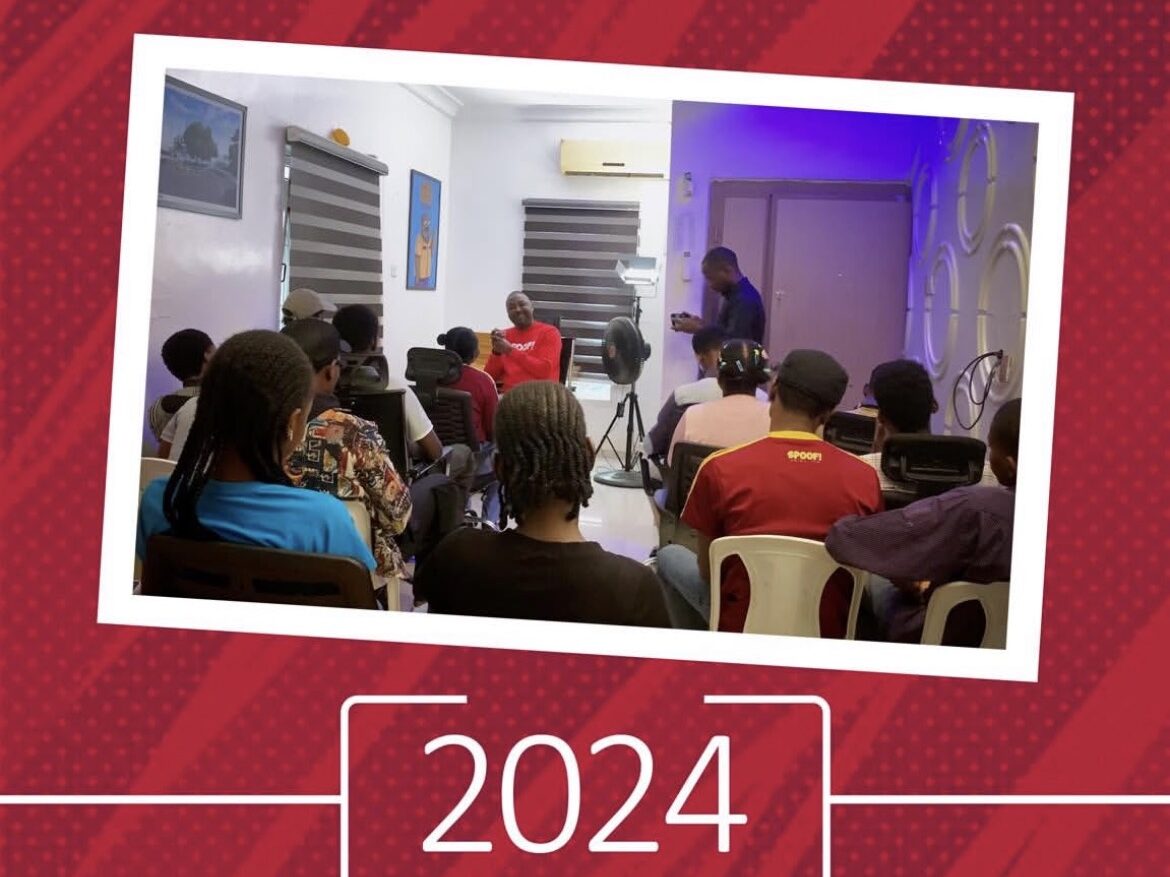
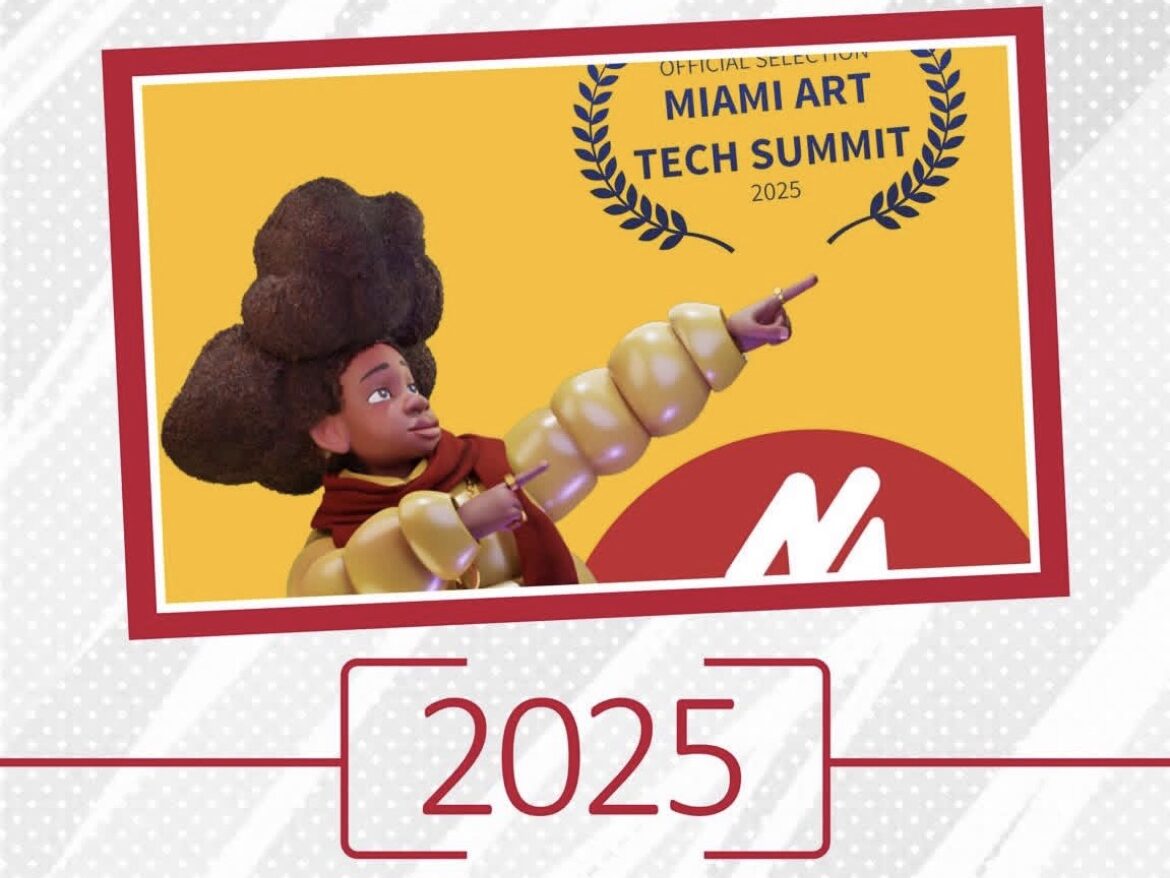
In 2024, Spoof Animation moved into a new office space and expanded its team, reflecting a studio now confident in both scale and direction. Then in 2025, another major international recognition arrived when Spoof’s completed short film was selected at the Miami Art Tech Summit, placing the studio on a global creative map once again.
From a smallroom in Ogba to international festivals, Spoof’s trajectory has been defined by steady progress rather than overnight hype.
A New Look for a New Era: Spoof’s Brand Identity Reveal
As part of its 10-year celebration, Spoof Animation unveiled a new brand identity, one that visually captures the spirit of the studio’s journey.
At the center of this identity is the Hat, now the studio’s brand icon. The hat symbolizes magic, imagination, and transformation, the idea that Spoof can conjure entire worlds from nothing but ideas and skill. Designed to stand alone or alongside the brand name, the hat is instantly recognizable and versatile across platforms.
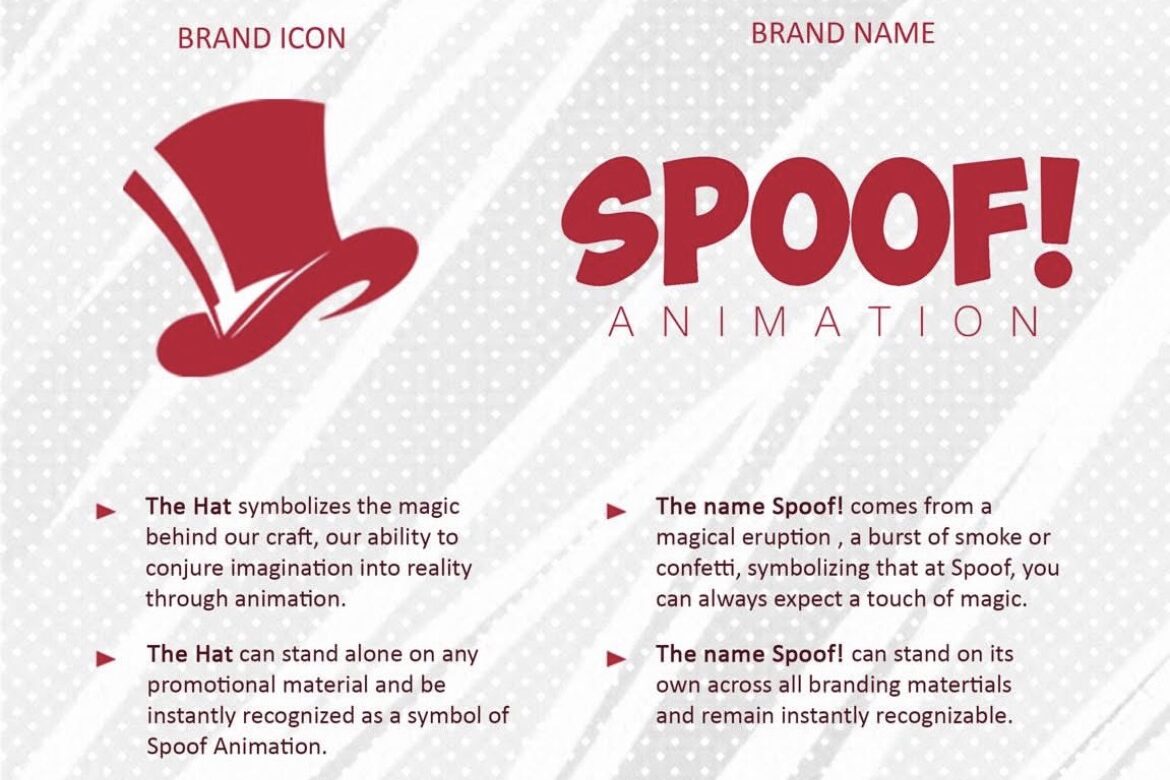
The name “Spoof!” itself represents a burst of creativity, a magical eruption of smoke or confetti. It reinforces the idea that every Spoof project carries an element of surprise and wonder.
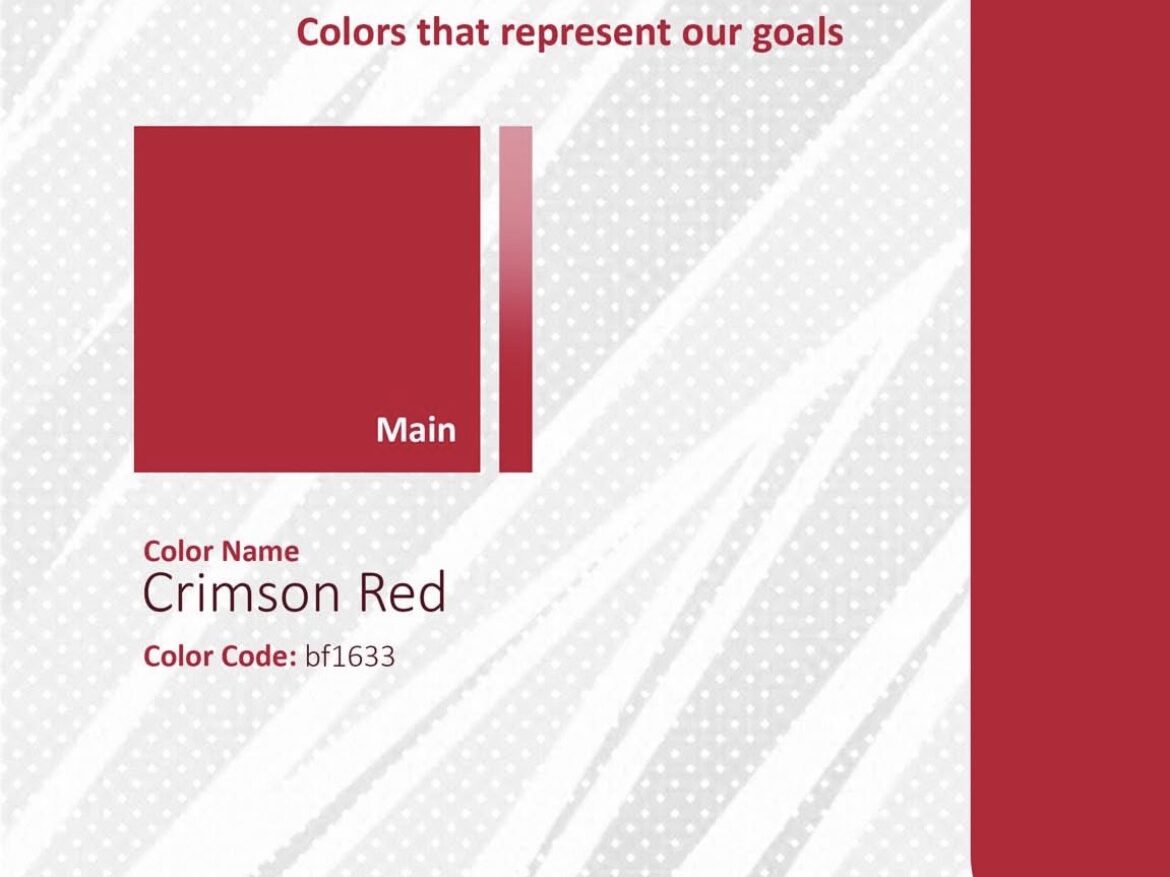
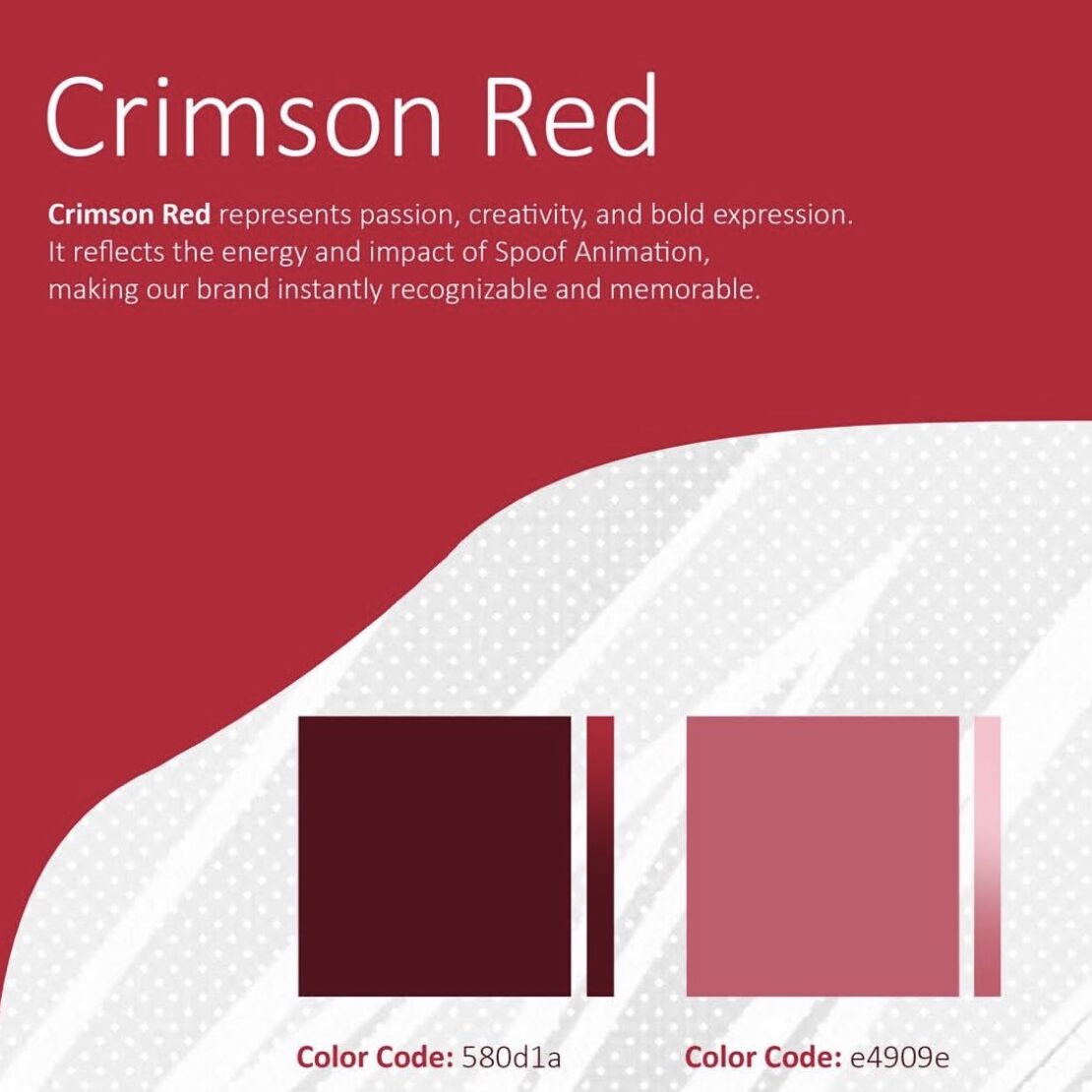
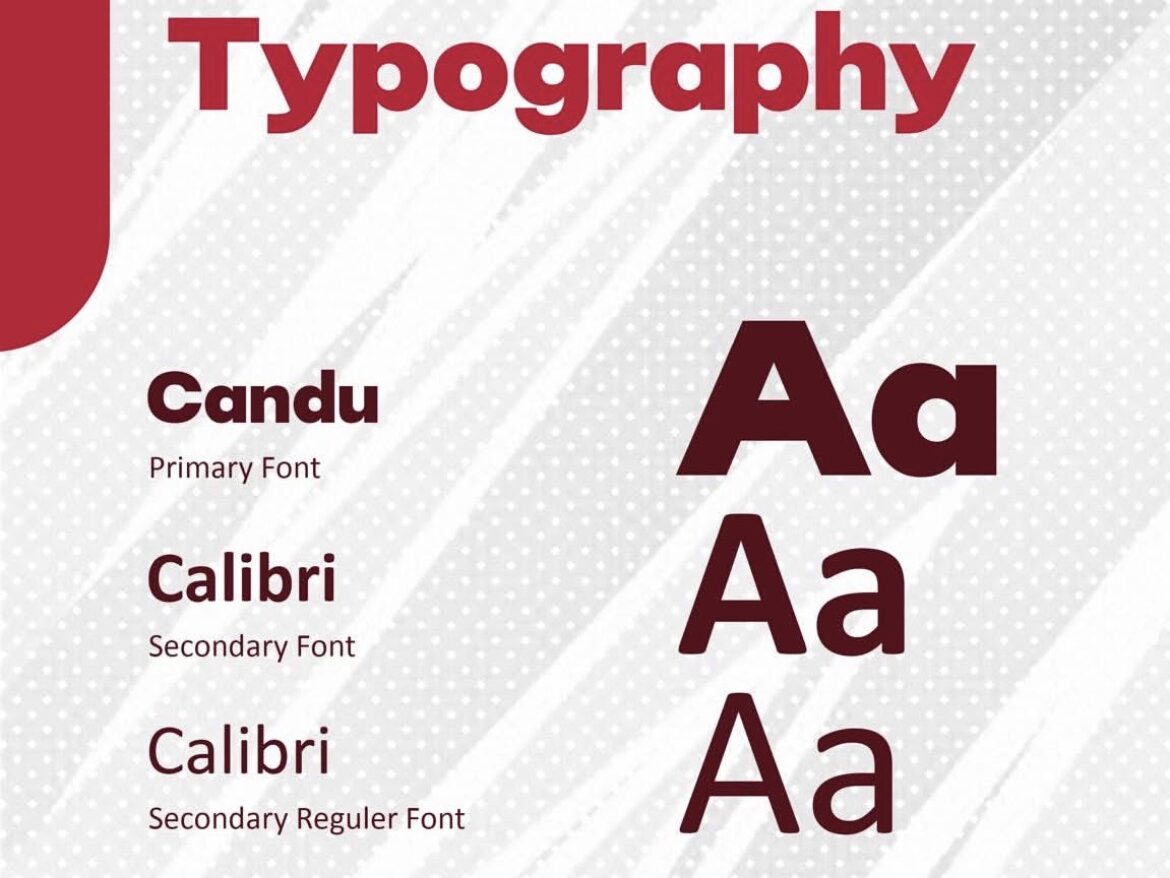
The color palette is led by Crimson Red, a bold hue representing passion, creativity, and fearless expression. Complementary tones deepen the brand’s emotional range, while typography choices like Candu and Calibri balance personality with clarity.
This rebrand isn’t cosmetic, it’s a declaration of maturity and intent.
More Than a Studio: A Legacy in the Making
Spoof Animation’s 10-year story is ultimately about people, those who were trained, inspired, employed, and encouraged to believe that animation could be a viable career in Nigeria. Many of the young creatives who passed through Spoof’s ecosystem are now industry professionals, shaping animation, comics, and digital storytelling across the continent.
In an industry still finding its footing, Spoof has shown that sustainability comes from patience, mentorship, and creative honesty.
What Comes Next
This anniversary marks a pause, but not a conclusion.
In our next news, Comicpanel will dive deeper into Spoof Animation’s future through an exclusive interview with founder Ayodele Elegba, exploring:
- The hardest lessons from the last decade
- The realities of running an animation studio in Africa
- Spoof’s long-term vision for original IPs
- And what the next 10 years could look like for African animation
For now, Spoof Animation stands as proof that magic doesn’t happen overnight, it’s built, frame by frame.