If you still think gaming is “just for fun,” you might already be late to the conversation.
What used to be seen as a casual pastime has exploded into a serious global industry and Africa is becoming part of that movement faster than many people expected.
From mobile tournaments in Lagos to streamers building loyal fanbases online, gaming is no longer just entertainment. For many young people, it’s becoming a career, a business, and a digital lifestyle all at once.
The shift is impossible to ignore.
People are no longer only playing games to kill time. They are competing professionally, creating content, building communities, and turning gaming skills into actual income.
So, What Does a Gaming Career Really Mean?
A career in gaming goes way beyond becoming a professional player though that’s still one of the biggest dreams for many gamers.
The industry is much wider now, and there are several ways people are building opportunities from it.
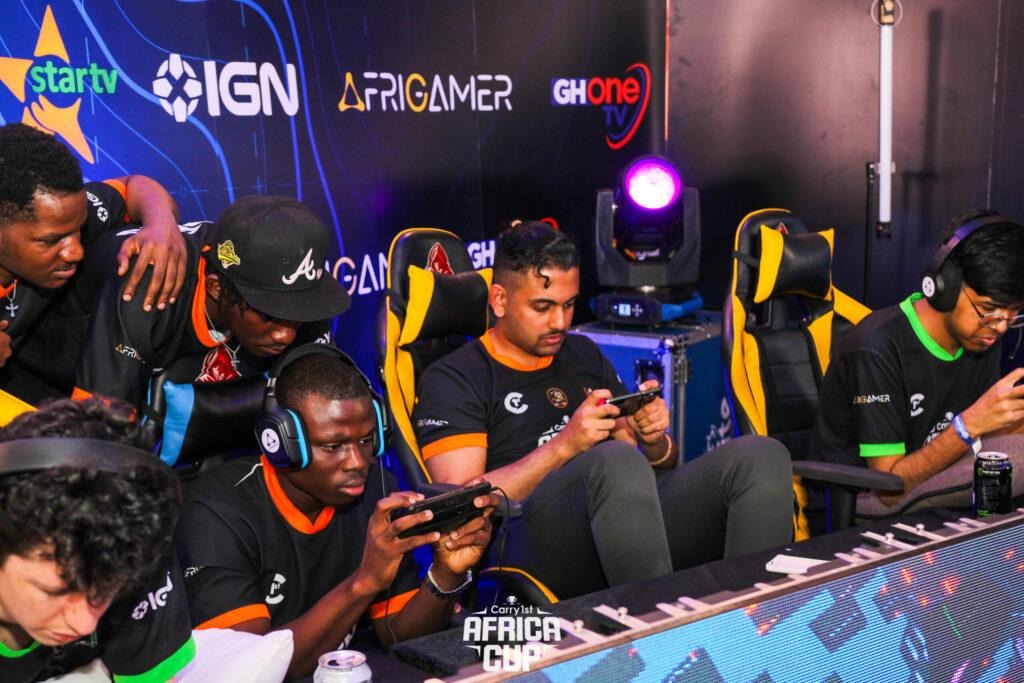
Competitive gaming, also known as esports, is one of the most visible paths. Skilled players compete in tournaments, join professional teams, and earn through prize money, sponsorships, and partnerships.
In Nigeria especially, games like PUBG Mobile, FIFA, Call of Duty Mobile, and eFootball continue to dominate local competitions and gaming communities.
Then there’s content creation and streaming, which has completely changed the gaming scene. Platforms like YouTube, Twitch, TikTok, and Kick have turned gamers into entertainers and influencers.
Some creators make money through ads, sponsorships, fan donations, and brand deals simply by sharing gameplay, reactions, tutorials, or funny moments online.
But not everyone in gaming is holding a controller.
Some people build the games themselves. Game developers, animators, writers, sound designers, and digital artists all play major roles in creating the experiences players enjoy every day.
As Africa’s tech and creative industries continue to grow, more young creators are beginning to explore game development as a serious career path.
And behind every major gaming event, there are people working quietly in the background: tournament organizers, commentators, analysts, coaches, editors, community managers, and esports hosts. The gaming ecosystem is much bigger than most people realize.
Starting a Gaming Career Without Feeling Lost
One mistake many beginners make is trying to do everything at once. The smarter move is to start with one game you genuinely enjoy and focus on improving consistently.
You don’t need the most expensive gaming setup in the world either. What matters more is having something stable and reliable enough to help you play comfortably and improve over time.
Growth in gaming comes from repetition. The best players didn’t magically become skilled overnight. They practiced constantly, studied gameplay, learned mechanics, watched experienced players, and spent time understanding strategy not just playing randomly.
That’s another thing many people miss: successful gamers don’t only play the game. They study it.
Watching tournaments, streams, and competitive matches can teach you decision-making, positioning, timing, and how top players think under pressure.
Visibility matters too.
A lot of opportunities in gaming come from simply being active within communities. Join gaming spaces online, participate in tournaments, connect with other players, and stop hiding your work.
Whether you want to become a player, streamer, or creator, people need to know you exist.
And once things become more serious, joining a team or building one can completely change your progress. Teams create structure, accountability, exposure, and faster improvement.
The Part Nobody Talks About
Gaming careers look exciting online, but they require patience.
There will be losses. Slow growth. Frustrating moments. Times when nobody watches your stream or when you lose tournaments repeatedly.
That part is normal.
Most successful gamers started small, playing in bedrooms, cybercafés, or on mobile devices with limited resources.
What separated them from everyone else was consistency. They kept going long enough to improve, adapt, and build something bigger.
That’s the real difference between people who “play games” and people who turn gaming into opportunity.
One group only consumes the experience.
The other learns how to build from it.
And in today’s digital world, that difference matters more than ever.
So maybe the real question isn’t whether gaming can become a career anymore.
Maybe the real question is: if you’re already spending hours gaming every day, why not start playing with purpose?