After three years of building one of the most ambitious creative spaces in Nigeria, Somto Ajuluchukwu is closing the physical hub under Vortex Central but this doesn’t feel like an ending. It feels like a pivot.
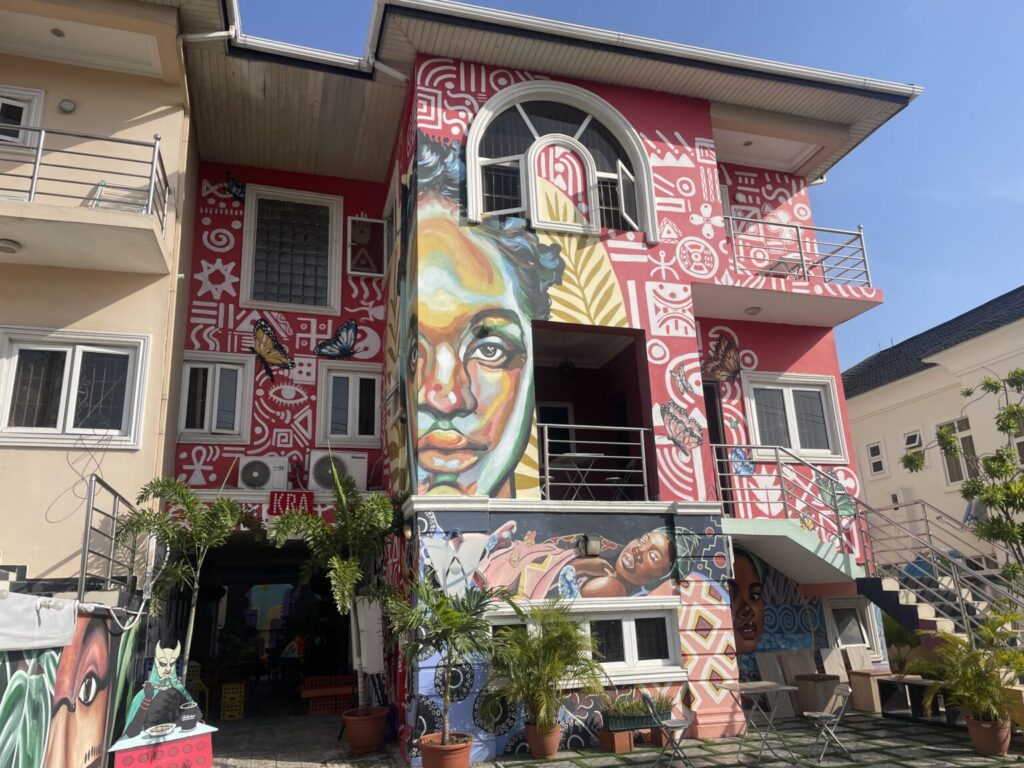
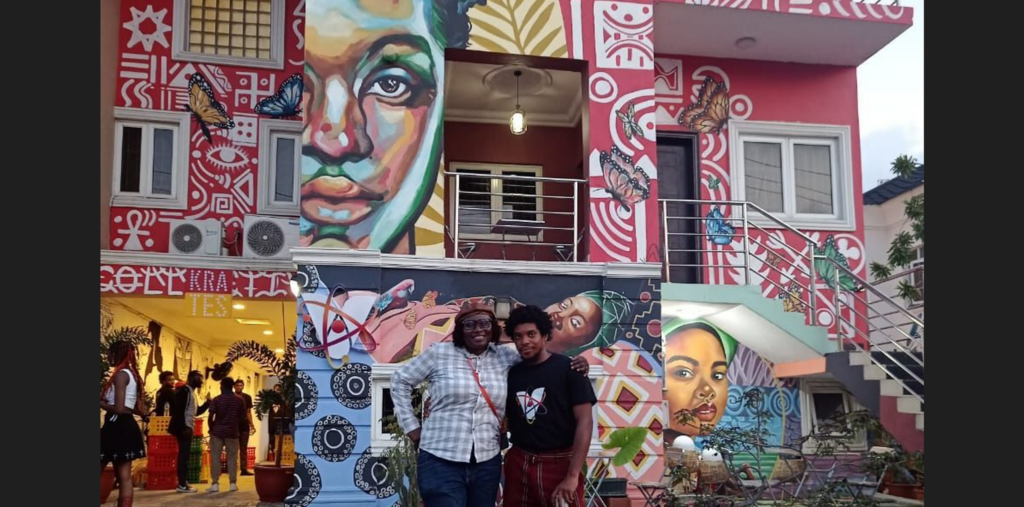
Walk into the space today, and nothing immediately signals goodbye. The walls are still loud with comic panels, characters frozen mid-battle, stories caught in motion.
It still carries that electric energy that once made it feel like a daily Comic-Con.
For a long time, it was exactly that a living, breathing creative ecosystem housing Krates bar and restaurant, Akuko Comic Book Shop, Open Studio Africa, and VX Animation Studio.
It wasn’t just a place people visited. It was a place they experienced.
But beneath that energy, something quieter was unfolding. And now, that insight is shaping what comes next.
When Community Shows Up: But the Market Doesn’t
When the hub first opened, the idea was clear: bring creatives into one physical space, and the industry will begin to organize itself around it.
And for a while, it worked. Artists came. Events were packed.
Cosplay nights, workshops, and conversations turned the hub into one of Lagos’ most exciting creative hotspots. It became a cultural home for illustrators, animators, and comic lovers who had never really had a space like this before.
But over time, a harder truth surfaced.
People showed up, but they didn’t always buy.
The energy was real. The community was present. But the economic layer needed to sustain a physical space wasn’t growing at the same pace.
Visitors explored, connected, and documented their experience, but consistent spending remained unpredictable.
As Somto puts it, “You can have a full room and still not have a business.”
What the hub revealed wasn’t a lack of interest, it was a gap between engagement and commitment.
In many ways, it exposed a broader pattern across Nigeria’s creative ecosystem: visibility is often mistaken for growth, and attendance for traction.
The Hidden Friction of “Coming Through”
Location also played a bigger role than expected.
The Island hub thrived during events, but outside those peak moments, visits required intention. People had to plan to come.
And in any consumer system, that extra step creates friction.
Gradually, that friction shows up in subtle ways fewer spontaneous visits, shorter stays, inconsistent transactions.
Even the bookstore, rich in culture and carefully curated, operated more as an experience than a reliable retail engine.
People engaged deeply with the space, but that engagement didn’t always translate into the kind of repeat purchasing needed to sustain operations.
This wasn’t a failure of concept. It was a reality check on behavior.
Why Closing the Hub Is Actually a Strategic Shift
So the decision to shut down the Island location isn’t about things falling apart. It’s about seeing clearly.
Instead of waiting for people to come, the next move is to go where people already are mainland areas like Ikeja, Yaba, and Magodo, where daily life is already in motion.
But the shift goes beyond geography.
Vortex Central is moving away from a single physical hub toward a more flexible, distributed model, one that blends content, platforms, tools, and community into a system that can scale.
Because in today’s creative economy, a space can gather people—but systems build industries.
The Bigger Issue: Output, Not Just Talent
If there’s one thing the past three years made obvious, it’s that talent isn’t Nigeria’s problem.
Output is.
There simply aren’t enough comics being released consistently. Not enough animation pipelines running at scale. Not enough volume to keep audiences engaged long-term.
And part of that comes down to mindset.
Too many creators are waiting for perfect conditions better funding, better tools, better polish before putting work out into the world. But that pursuit of perfection often slows everything down.
Somto points to early Nollywood as a reminder. It wasn’t perfect, but it was consistent. And that consistency is what built an industry.
Growth, in this context, comes from repetition not hesitation.
Building What Comes Next
What replaces the hub isn’t emptiness, it’s a different kind of structure.
Through Gener8 Lab, Somto is already experimenting with AI-powered tools like “Scrolls,” designed to help creators produce continuous comic content faster and with fewer barriers.
The idea is simple but powerful: reduce dependence on large teams and long production cycles, and make storytelling more accessible.
In this model, technology isn’t replacing creativity, it’s supporting it.
It removes friction, speeds up output, and allows creators to focus on what matters most: telling stories.
At the same time, the vision behind Open Studio Africa remains intact. It was never just about a building.
It was about collaboration, access, and opportunity for digital artists to grow together and connect with real work.
That mission doesn’t end here. It evolves.
A Necessary Reset for the Industry
On the surface, the closure of Lagos’ first true geek hub might feel like a loss.
But look closer, and it tells a more important story.
Africa’s creative industry is growing up.
It’s moving away from passion alone and toward structure. From visibility toward sustainability. From gathering people in one place to meeting them across many.
And perhaps most importantly, it’s confronting a truth that’s hard to ignore:
An industry cannot survive on attention alone.
“If people don’t buy, there is no industry.”
That responsibility doesn’t sit only with creators. It extends to audiences, platforms, and the entire ecosystem.
Because while culture can grow through participation, industries grow through support.
Now, the next phase begins one that isn’t tied to a single building, but to a system designed to scale.
And if it works, the future of African comics and animation won’t live in one place.
It will be everywhere.