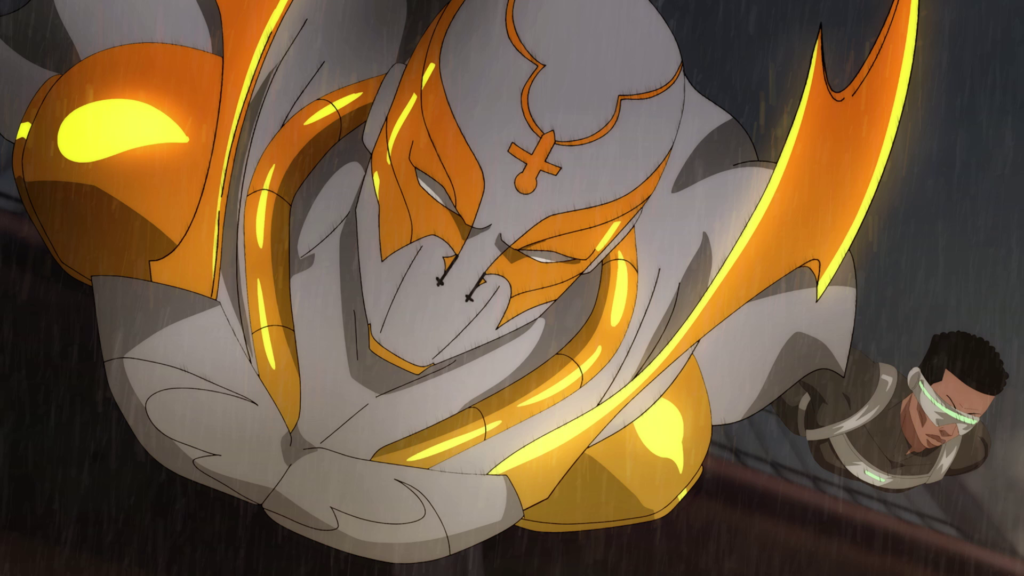
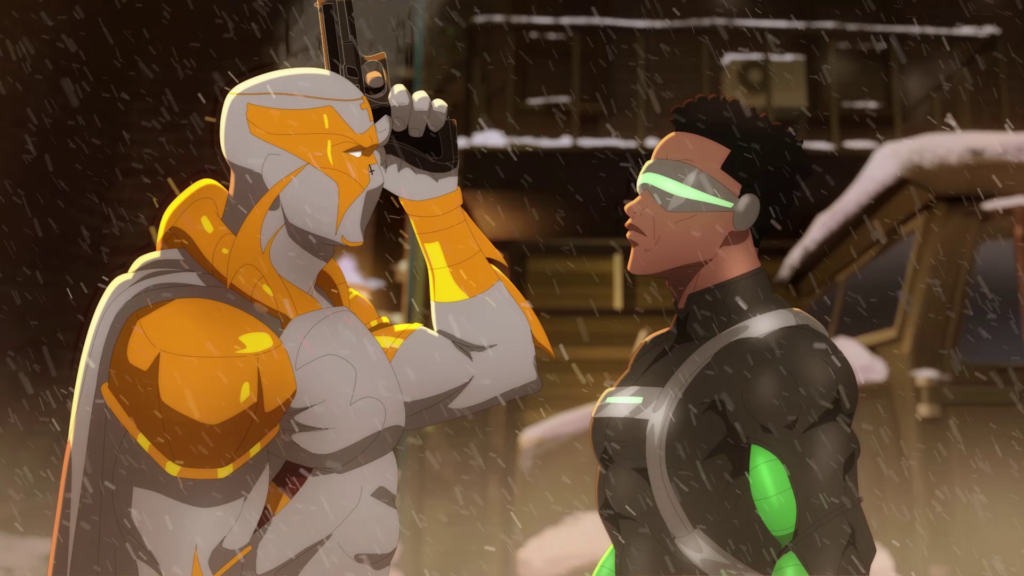
A new crossover between SPOOF Animation, Impound Comics, and Heartline Comics is proving that world-class superhero animation is no longer exclusive to Hollywood. It may also be signaling a turning point for African animation.
For years, whenever African creators spoke about producing world-class superhero animation, the response was often the same.
“It looks good… for Africa.”
It was a compliment wrapped inside lowered expectations.
But a newly released animated crossover from Lagos-based SPOOF Animation, created in collaboration with Impound Comics and Heartline Comics, is beginning to challenge that narrative in dramatic fashion.
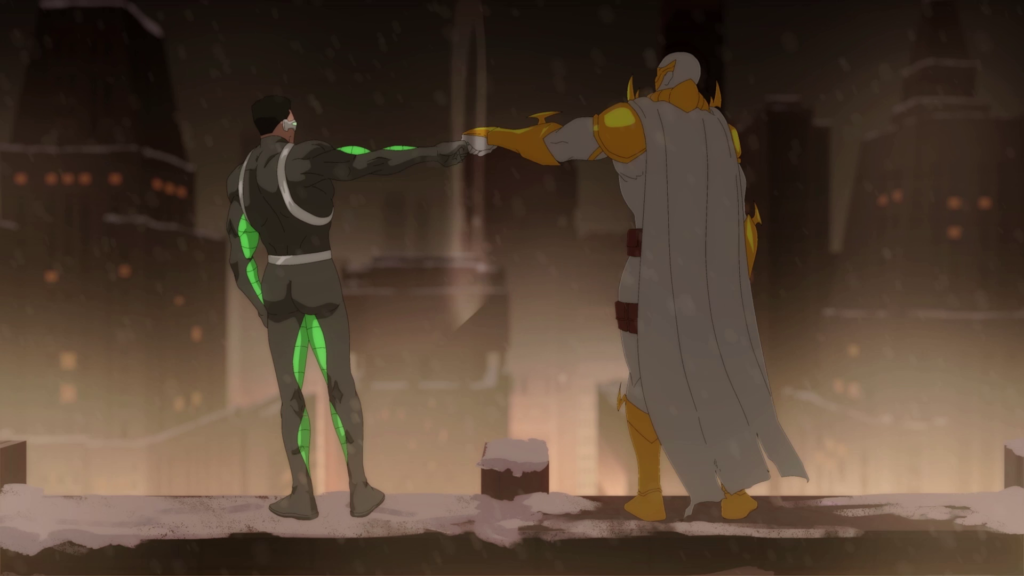
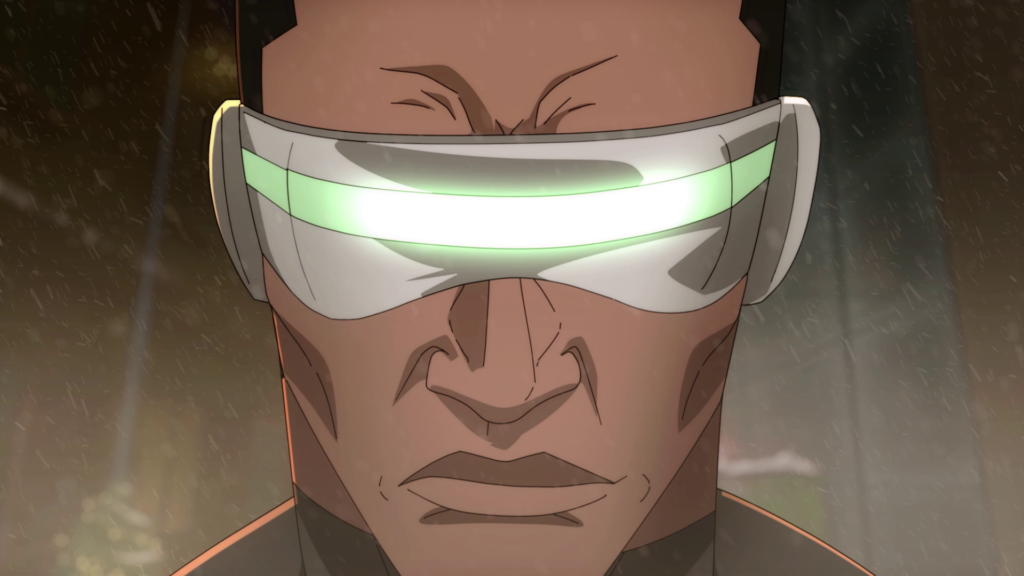
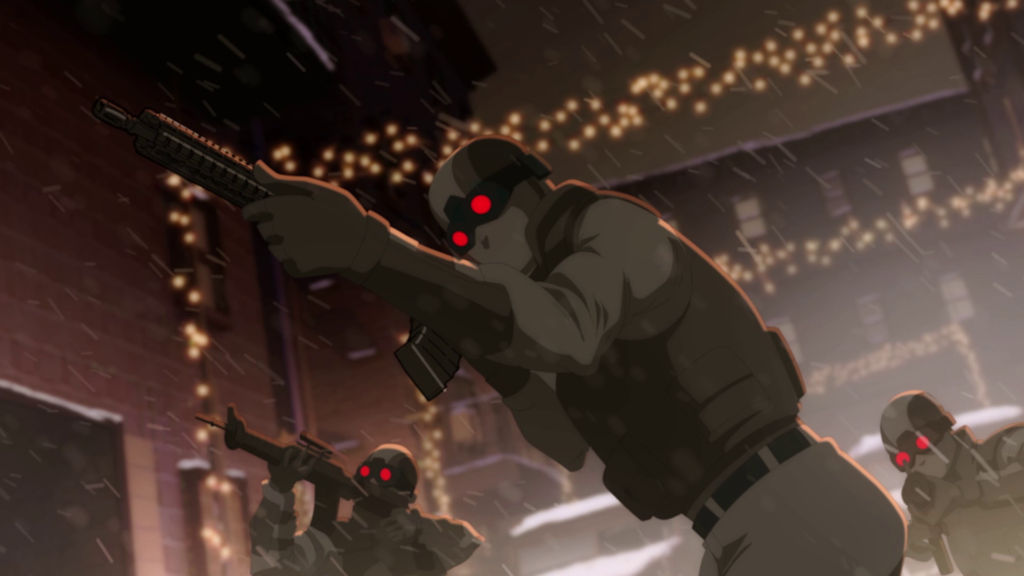
The action-packed short film brings together characters from both comic universes in an explosive clash filled with cinematic fight choreography, dynamic camera work, fluid character animation, and the kind of visual confidence audiences normally associate with major American superhero studios.
Within hours of its release, social media began filling with comparisons.
Some viewers described it as looking like a lost episode from a DC animated series. Others compared its energy to Marvel’s best animated projects. Perhaps the boldest comparison came from fans who questioned whether the short actually looked more polished than certain sequences in Invincible, the hugely popular superhero series on Prime Video.
That is a bold claim.
Whether one agrees with it or not, the comparison itself tells a much bigger story.
For the first time in a long time, viewers were not asking whether an African animation was “good enough.”
They were asking how it managed to compete visually with productions from some of the biggest entertainment companies in the world.
That alone represents progress.
What makes the project particularly remarkable is not simply the quality of the animation, but where it was produced.
This wasn’t created in Los Angeles.
It wasn’t animated in Tokyo.
It wasn’t outsourced to one of the world’s largest production houses.
It came from Lagos, Nigeria.
That fact matters because it continues to dismantle one of the oldest misconceptions surrounding African animation: that world-class quality can only be achieved elsewhere.
For decades, African studios have quietly contributed to international productions as outsourcing partners, often working behind the scenes without public recognition. Their artists have animated scenes, painted backgrounds, designed characters, cleaned up animation, and composited shots for projects that millions of people have watched around the world.
Yet very few audiences ever realized that African hands helped create those images.
Projects like this begin to change that perception.
Rather than remaining invisible contributors, African studios are increasingly placing their own creative identity at the centre of production.
The collaboration itself also highlights another encouraging trend within the continent’s creative industries.
Instead of viewing one another as competitors, comic publishers and animation studios are beginning to recognise the value of collaboration.
Comic books provide the characters.
Animation brings those characters to life.
Together, they create entirely new audiences.
For years, fans have dreamed about seeing African superheroes move beyond printed pages into fully animated worlds. This crossover demonstrates exactly how powerful those partnerships can become when creators pool their strengths.
The result is more than just an animated short.
It becomes proof of concept.
Investors can see it.
Streaming platforms can evaluate it.
Publishers can imagine larger universes.
Audiences begin asking for more.
That is how franchises are born.
The success of superhero entertainment has never depended solely on visual effects. It depends on emotional investment in memorable characters and compelling stories.
Hollywood understands this well.
Marvel spent decades building interconnected worlds before becoming a global entertainment powerhouse. DC continues to expand its characters across comics, animation, games, television, and film because each medium strengthens the others.
Africa possesses no shortage of heroes.
What has often been missing is consistent investment in transforming those heroes into multimedia franchises.
This latest collaboration suggests that gap may finally be narrowing.
It also raises an important question.
If studios in Lagos can now deliver this level of animation quality, why should African intellectual property continue waiting for international validation before receiving meaningful investment?
Perhaps the continent has already developed the creative capability.
Perhaps what it needs now is confidence.
Of course, comparisons with global productions should always be made carefully. Every animation project operates under different schedules, budgets, artistic choices, and production pipelines. A short showcase can also devote resources differently from a full television season.
Yet none of that diminishes what this collaboration has achieved.
Quality is no longer the conversation.
Capability is no longer in doubt.
African animation has matured considerably over the past decade. Studios across Nigeria, South Africa, Kenya, Ghana, Egypt, and several other countries are producing increasingly sophisticated work that continues attracting international clients while simultaneously developing original African stories.
The difference today is that audiences are beginning to notice.
And once audiences notice, opportunities usually follow.
Perhaps the greatest achievement of this crossover is not that viewers compared it with Marvel, DC, or Invincible.
It is that they felt confident enough to make those comparisons in the first place.
That means expectations have changed.
African animation is no longer being judged only against other African productions.
It is entering the global conversation on its own merits.
For SPOOF Animation, Impound Comics, and Heartline Comics, this collaboration represents far more than another completed project.
It demonstrates what becomes possible when African creators believe their stories deserve the same scale, ambition, and technical excellence as any superhero universe in the world.
If this is a glimpse of where African animation is heading, then perhaps the next global superhero phenomenon will not begin in Hollywood.
It might begin in Lagos.