What Disney meant as celebration became a live case study in why diversity without depth doesn’t move the needle.
On February 16, 2026, Disney Jr. introduced Captain Durag in the animated series Hey A.J.! And the internet immediately split into two very different camps.
The character debuted as a caped crusader designed to celebrate Black culture during Black History Month, fighting “grime” in Slime City while teaching kids to clean their rooms.
The episode was supposed to inspire. Instead, it sparked the exact kind of heated debate about representation that shouldn’t exist in 2026.
But here’s the thing: both sides have a point. And that’s what makes this controversy so instructive for anyone thinking about how to build authentic Black characters in animation.
Let’s start with the creators’ perspective, because dismissing intent entirely would miss half the story.
Camille Corbett, the Black writer who created Captain Durag, originally conceived the character as “Durag Man” to give Black culture its own superhero, drawing inspiration from blaxploitation films from the 1970s those bold movies that featured Black heroes challenging the status quo.
Martellus Bennett, the former NFL player who created the series based on his children’s books from 2016, defended the character on Instagram, writing that Captain Durag represents “a reflection of black life” and asking,
“What is so wrong with letting the durag be the source of a superpower when it has been the source of confidence and transformation for generations?”
That’s not tone-deaf on paper. In theory, turning an everyday object of Black cultural pride into something heroic is a solid creative move. The problem isn’t the idea, it’s the execution and the context around it.
The Backlash: When Symbolism Gets Lost in Translation
Durags have long been tools of maintenance and pride, used to protect waves, preserve braids, maintain styles, and shield hair while we sleep.
But they’ve also been criminalized, Black boys have been denied entry into schools for wearing them, men have been removed from restaurants, and students have been sent home.
That history matters. When you name a superhero after an item that’s been weaponized against Black people, the symbolism hits different than it might seem in a writers’ room.
Critics pointed out that Disney has access to a treasure trove of established Black superheroes through its Marvel ownership, like Black Panther or Storm, who carry deep stories and avoid clichés.
That’s the real critique hiding under all the Twitter discourse: Why create a character defined by a single cultural marker when you could develop a fully realized Black hero who happens to wear a durag?
This is where things get genuinely interesting and where comic creator Eric July raised a point that applies far beyond Captain Durag.
July suggested that many creators hyper-emphasize certain cultural aspects, making them the defining traits of the character. The result isn’t heroes who happen to be Black, but are Black heroes. When that happens, it signals culture above all else.
Think about Static Shock for a moment. Virgil Hawkins was a Black teenager who gained electromagnetic powers, but what made Static Shock stand out wasn’t that he was Black, it was the show’s willingness to tackle gang violence, racism, homelessness, and bullying in a format aimed at kids.
Virgil’s character had conflicts, relationships, growth, and complexity. His Blackness was woven through that, not plastered on top.
Captain Durag flips that script. The character exists primarily as a cultural symbol, the durag is the character design, not a detail within it. There’s no origin story, no internal conflict, no reason to care about him beyond the novelty of what he wears.
The Creators Respond And Why the Response Matters
When criticism mounted, Corbett responded on TikTok, encouraging viewers to release themselves from respectability politics and embrace joy rather than approaching everything with excessive seriousness.
She explained her personal connection to durags, mentioning she owns a six-foot version that makes her feel powerful, and wondered why a character could not embody that same feeling in a child’s imagination.
That’s honest. That’s personal. And it reveals the genuine disconnect between intention and impact.
Corbett wasn’t trying to mock Blackness she was trying to celebrate it. But there’s a difference between celebrating something and building something that lasts.
A six-foot durag feels powerful to Corbett because she has the context of a lifetime of experiences. A preschooler watching Hey A.J.! doesn’t have that context.
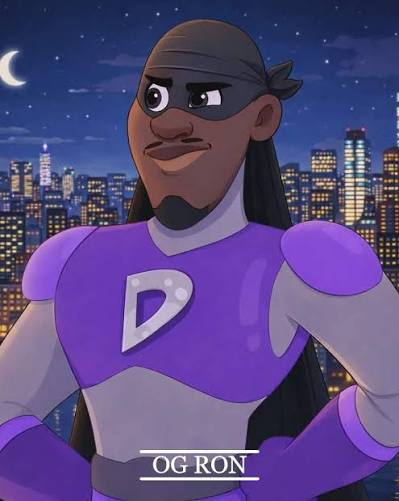
They see a hero named after a cloth, fighting trash monsters in a place called Slime City, and the symbolism collapses before it ever lands.
Here’s something most coverage glosses over: Disney pulled several clips of Captain Durag from its YouTube channel shortly after the backlash began, with no official statement from the company.
Was it damage control? Routine content management? We don’t know.
But silence is a response. When a company removes something without explanation, it sends a message just as loud as a press release.
Disney had partnered with cultural consultants on the show, yet clips still went down. That gap between consultation and execution is worth examining.
What makes Captain Durag more than a single character failure is what it reveals about representation in children’s animation writ large.
During the 2010s, adult animation was the only place Black animated shows were welcomed, particularly under Adult Swim. After shows like The Boondocks ended, kids entered a dark age.
Tyler the Creator even said at Comic-Con 2017: “How many Black cartoon characters are on TV right now? Name five. I’ll give you time. No cartoons. It is none. They cancelled Static Shock.”
The gap created a hunger. Representation became so scarce that when anything with a Black lead appeared, expectations spiked. That’s not fair to creators, but it’s the reality.
In 2000, when Static Shock premiered, it was rare, there were only a handful of Black superheroes in animated series at all. By 2026, we should expect better.
Where the Industry Goes From Here
Both sides of the Captain Durag debate are asking the right questions, even if they’re reaching different conclusions:
- Should Black creators have autonomy to celebrate their culture as they see fit?
- Should audiences push for more complex, multidimensional representation?
- Can you honor cultural symbols without reducing them to gimmicks?
The answer is yes to all three. These aren’t contradictions, they’re tensions that make storytelling better.
The real lesson isn’t that durags don’t belong in kids’ cartoons. It’s that when cultural elements are the entire character, there’s nothing left to build a story on.
As one analyst put it: “Representation without nuance can still reinforce the very stereotypes we’ve fought to dismantle. If the durag is reduced to a gimmick, a quirky name meant to sound funny, then what are we teaching?”
If you’re building a Black character for animation or any representation-driven character. ask yourself this:
Can I describe the character without mentioning their identity? Do they have conflicts that don’t stem from being a cultural ambassador? Would this character be interesting if their background were different?
If the answer is no, you’re designing a symbol, not a character.
Joe Gardner from Pixar’s Soul works because he’s defined by his ambitions and internal conflicts, a jazz musician trying to find his purpose.
Tiana from The Princess and the Frog works because she’s driven by concrete goals and determination. Those characters happen to be Black; they’re not Black characters playing a role.
Captain Durag was always going to be about the durag. That was the creative starting point. And maybe, just maybe that was the limitation from the beginning.
Captain Durag didn’t fail because it celebrated Black culture. It failed because it mistook celebration for characterization. It attempted to make a cultural symbol the hero instead of making a hero who could wear that symbol with depth and meaning.
Disney, creators, and audiences all have valid points here. But they’re pointing at different problems:
- Creators are right that Black culture deserves celebration on its own terms.
- Critics are right that celebration without nuance can become parody.
- Audiences are right to expect more from a company with Disney’s resources.
The real victory would be a future where these conversations don’t have to happen at all where Black characters arrive fully formed, with conflicts and growth and stories worth telling, while their cultural specificity deepens rather than defines them.
Until then, Captain Durag remains a perfect case study in how intention and execution can ship in opposite directions. It’s a reminder that in representation, sincerity isn’t enough.
Thoughtfulness matters. Nuance matters. And sometimes, the most powerful way to celebrate a culture is to let your characters be fully human first.