In an unprecedented move that could completely disrupt the West African broadcasting landscape, television stations across Ghana are facing the very real threat of losing their broadcasting licenses. This potential regulatory clampdown is the direct result of mounting allegations and complaints surrounding the systemic, unauthorized broadcasting of Nollywood movies by local Ghanaian channels. The issue of intellectual property theft within the region has reached a boiling point, prompting Ghana’s regulatory bodies to consider the ultimate “nuclear option”: revoking all existing television licenses across the country and forcing every single broadcaster to reapply under strict new copyright-proof conditions. This dramatic story signals a historic shift in how African governments intend to protect creative property in the digital age.
The catalyst for this sudden regulatory crisis was a direct, recorded confrontation between prominent Nigerian filmmaker and producer Uchenna Mbunabo and James Gardiner, the Deputy CEO of the Ghana National Film Authority (NFA). In the video, which quickly went viral across West African entertainment circles, Mbunabo did not hold back in expressing the collective frustration of the Nigerian film industry. He openly accused Ghanaian television stations of stealing Nollywood films and broadcasting them for free with absolute impunity. Specifically, Mbunabo pointed out that certain broadcasters routinely download newly released, high-budget Nigerian movies directly from YouTube, where many creators now rely on ad revenue to recoup their massive production costs, and air them on terrestrial and satellite television without ever contacting the producers or acquiring broadcast rights. During the exchange, Mbunabo pointedly asked Gardiner if this blatant exploitation of filmmakers’ hard work was legally permitted in Ghana.
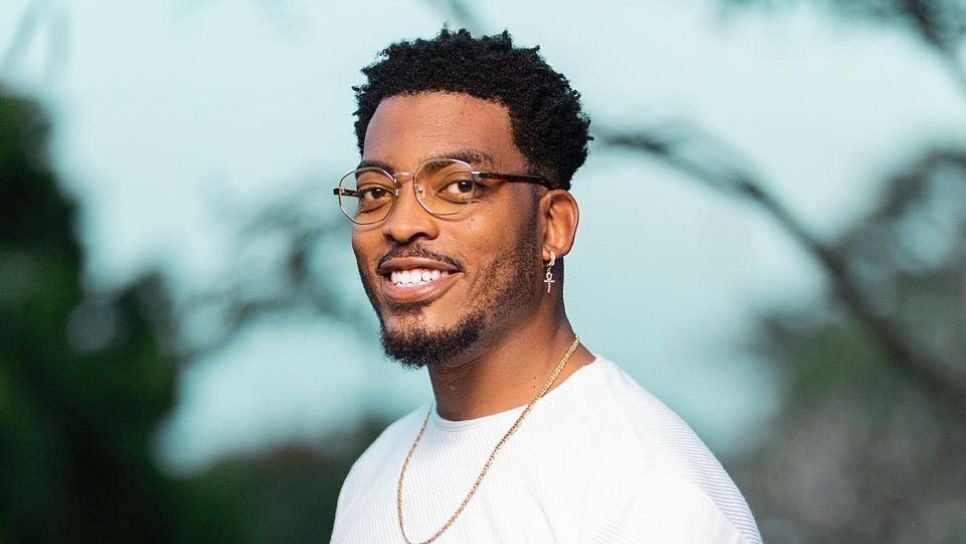
The response from Ghana’s film regulator was both surprising in its honesty and alarming in its implications. James Gardiner admitted without hesitation that the practice of unauthorized broadcasting is entirely illegal under Ghanaian copyright law. However, he also pulled back the curtain on the massive structural challenges that make enforcing these laws incredibly difficult in the modern era. Gardiner explained that the rapid growth of digital television has completely changed how stations operate. Many of the offending broadcasters do not maintain a physical presence or traditional offices within Ghana. Because they operate purely in the digital space, often broadcasting via satellite or from remote servers located outside the country’s physical borders, tracking down the individuals responsible and serving them with legal penalties has become an administrative nightmare for regulators.
The scale of this issue goes far beyond a single producer’s grievance. Over the past year, several of Nollywood’s most prominent and commercially successful filmmakers, including Bimbo Ademoye, Omoni Oboli, Mercy Johnson, and Ruth Kadiri, have publicly called out Ghanaian TV stations for illegally airing their creative works. For these creators, who invest millions of Naira into producing high-quality dramas and comedies, YouTube has become a vital distribution channel that allows them to connect directly with a global audience. When television stations hijack these digital feeds and broadcast them to mass audiences for free, they actively destroy the films’ digital monetization potential, directly cutting off the primary revenue streams that filmmakers rely on to fund their next projects. The systemic nature of this piracy has long been identified as one of the single greatest threats to the financial sustainability and overall growth of Nollywood.
To finally get a handle on this digital lawlessness, Ghanaian authorities are preparing to implement a sweeping, heavy-handed strategy. Gardiner revealed that the NFA has held high-level inter-agency meetings with the Ministry of Communications, the National Communications Authority (NCA), and the National Media Commission (NMC), the powerful governing bodies that oversee all broadcasting licenses in Ghana. Together, these regulators are drafting a legislative framework designed to reset the entire television industry. Under this proposed plan, the government intends to revoke all current broadcasting licenses and require every television station in the country to reapply from scratch. The ambitious overhaul is slated to be fully implemented and completed by 2027.
During this re-licensing process, broadcasters will be subjected to intense regulatory scrutiny. To secure a new license, stations will have to formally prove that they possess legitimate distribution and broadcast rights for all of the copyrighted content featured on their programming grids. The new framework will also introduce a zero-tolerance policy for intellectual property theft. Under the guidelines currently being finalized, any television station caught broadcasting pirated material will face immediate, severe financial penalties and be legally forced to pay heavy compensation directly to the affected content producers. For repeat offenders, the consequences will be fatal: a second strike will result in the immediate suspension of their broadcasting operations, and a third strike will lead to the permanent revocation of their license.
While the proposed reforms are being welcomed as a massive victory by Nigerian filmmakers, many are urging the Ghanaian government to move with far greater speed. Producers point out that waiting until 2027 for a complete resolution means that creative professionals will continue to lose millions of dollars in potential revenue every single month. However, the willingness of the Ghanaian government to escalate copyright infringement from a minor civil dispute into a major regulatory licensing issue is being hailed as a major progressive milestone for African cinema. It sends a clear, unmistakable message that intellectual property protection is essential for the economic survival of the creative arts across the entire continent.
Importantly, filmmakers on both sides of the border are stressing that this crackdown should not be viewed as an escalation of tension between the two countries’ creative communities. Mbunabo himself was quick to clarify that his vocal campaign is strictly an attack on illegal broadcasting practices, not on the Ghanaian film industry as a whole. Over the decades, Nollywood and Ghana’s film industry, often affectionately called Ghallywood, have shared a beautiful, highly collaborative relationship, with actors and directors frequently crossing borders to work on joint productions. By enforcing strict copyright laws and cleaning up the broadcasting space, regulators hope to build a far healthier, more transparent media ecosystem. In the long run, this will pave the way for legitimate, highly profitable licensing partnerships that ensure both Nigerian and Ghanaian filmmakers are fairly compensated for their incredible creativity.