For millions of young girls across Nigeria, the arrival of puberty often brings more than just physical changes, it introduces a wave of anxiety, secrecy, and societal shame. Menstrual stigma remains a stubborn barrier, forcing many adolescents out of classrooms, cutting them off from basic health information, and treating a natural biological process as a taboo subject.
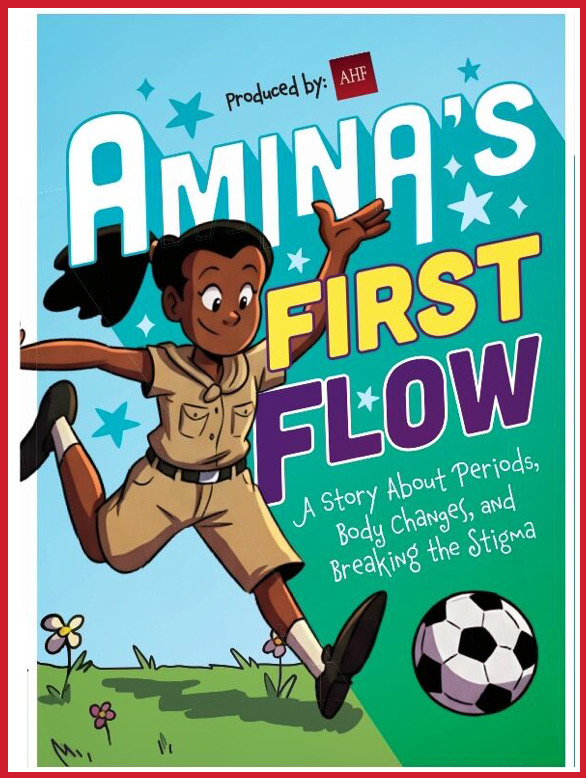
Changing that narrative requires fresh tools that speak directly to young minds in a language they already love. Stepping boldly into that space, the AIDS Healthcare Foundation has officially launched a vibrant new comic book titled Amina’s First Flow: A Story About Periods, Body Changes, and Breaking the Stigma.
The initiative uses sequential storytelling, relatable characters, and high-impact visual art to demystify menstrual health, normalize conversations around puberty, and empower young girls with the knowledge they need to navigate adolescence with confidence.
Using Visual Art to Break Down Period Poverty and Taboos
Traditional health campaigns aimed at young people often rely on heavy, clinical pamphlets filled with medical jargon that kids quickly tune out. By choosing the comic book format, health advocates are tapping into a medium that combines narrative empathy with visual clarity.
Amina’s First Flow follows its young protagonist as she experiences the physical and emotional shifts of growing up, addressing common fears, hygiene practices, and the psychological weight of period shaming. Through expressive panel layouts and engaging illustrations, the book turns an intimidating health lecture into an accessible, comforting story.
Public health advocates behind the rollout emphasize that comics have a unique power to disarm fear. When a young girl reads about a character going through the exact same experiences in a brightly colored graphic novel, isolation turns into understanding. It creates an opening for teachers, parents, and community health workers to start open conversations without the heavy cloud of embarrassment.
Advocacy Meets Community Action at the National Rollout
The official launch event brought together public health officials, civil society leaders, student advocates, and youth groups at the AHF Nigeria country office. Attendees celebrated the milestone with copies of the new comic held high, marking a collective commitment to improving menstrual hygiene management across schools.
Speakers at the unveiling highlighted that period poverty, the inability to afford basic sanitary products, compounds the emotional toll of menstrual stigma. Beyond providing health education through the pages of Amina’s First Flow, advocacy groups are using the launch to push for wider distribution of free menstrual products in public schools and rural communities.
By combining artistic storytelling with practical distribution, the campaign aims to keep young girls in school, ensuring that a natural biological cycle never stands in the way of a child’s education and future potential.
Why Graphic Novels Are Changing Public Health Communication
The success of projects like Amina’s First Flow points toward a broader shift in how social advocacy messages are delivered across Nigeria. Creators and public health experts are increasingly realizing that sequential art and illustrated media reach demographics that traditional academic reports never touch.
As more organizations invest in comic books and graphic narratives to tackle complex social issues, from health education to civic consciousness, the cultural footprint of the medium expands. It proves that comics are not just for fantasy adventures or superhero capes; they are vital instruments for social transformation, education, and empathy building.