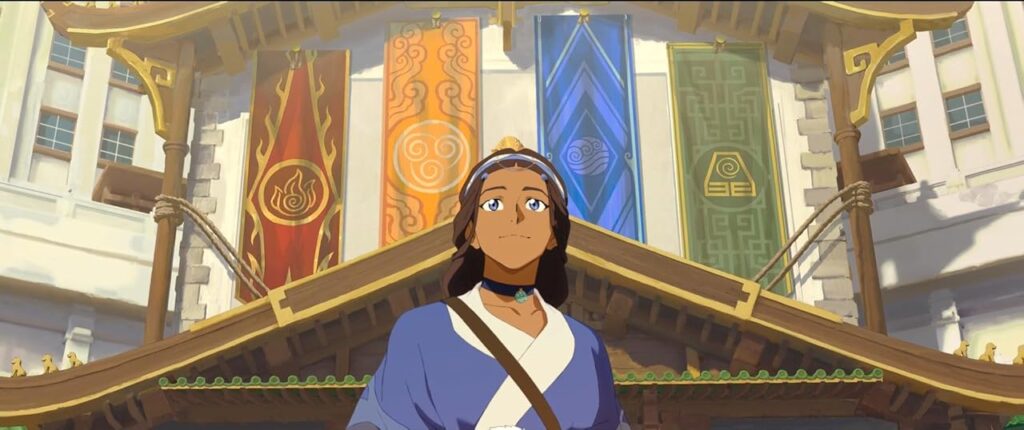
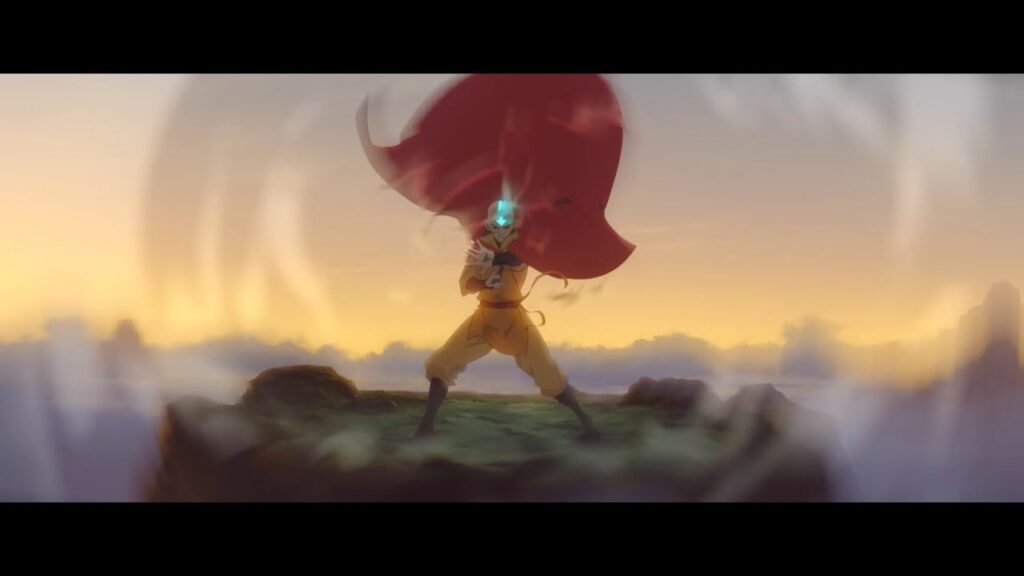
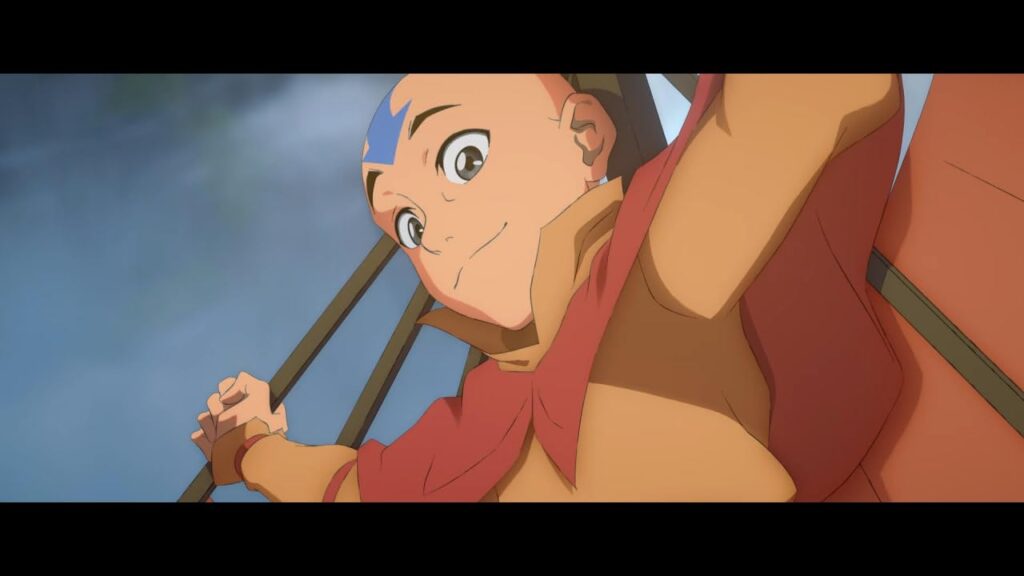
A major digital leak of Avatar: Aang, The Last Airbender, the highly anticipated animated film continuation of the beloved Avatar: The Last Airbender series, has sent shockwaves through both animation fans and the entertainment industry. The film, scheduled for release exclusively on Paramount+ in October 2026, was circulated online months ahead of its official premiere, igniting controversy, divided fan reactions, and an official investigation by the studio.
The incident first grabbed attention when short clips from the film surfaced in mid-April. A user on X (formerly Twitter) known as “ImStillDissin” claimed they had been “accidentally emailed the entire Avatar Aang movie” from someone connected to Nickelodeon, prompting them to post select moments online. Within hours, these leaked clips began circulating across fan forums, social media platforms, and piracy-friendly boards such as 4chan, where links to what appeared to be the full film emerged.
Fan Reaction Divided, Praise, Criticism, and Blame
The online response has been polarizing. Some fans celebrated the early access to the film, arguing that Paramount deserved criticism for recent creative decisions, including canceling the planned theatrical release in favor of streaming, and for controversial casting changes meant to align actors’ backgrounds more closely with characters’ cultural identities. Critics of the studio have suggested that these choices made the leak “justified” or even inevitable.
“If someone simply copies and shares the entire movie because they’re unhappy with corporate decisions,” one vocal supporter wrote online, “then that shows the disconnect between the source material fans cherish and the direction the studio took.” This viewpoint highlights a faction of fandom that believes corporate strategy, not the artists’ intent, is to blame.
However, many other fans and industry observers have expressed concern over the leak’s impact on the film’s official release and on the animators themselves. Several members of the creative team took to social media to condemn the unauthorized distribution, describing the situation as “incredibly disrespectful” after years of hard work on the project.
“Seeing people share the movie before it’s even out undermines the entire promotional buildup,” one animator wrote. “We poured our hearts into this film, and now its first impression to the world isn’t from the creators’ vision, but from pirated copies.”
Paramount Launches Investigation
In response to the leak, Paramount launched an inquiry into how the full film was leaked online. Recent reports indicate that internal investigations have determined the leak “did not come from within the studio’s systems,” suggesting a third-party source may have been involved, possibly outside contractors, external partners, or unauthorized access through other means.
Studio officials have also been issuing repeated copyright takedown notices to remove copies from social platforms and retrieval websites. However, despite these efforts, fragments and full versions of the leaked content remain accessible in some corners of the internet, complicating Paramount’s damage control efforts.
Security, Strategy, and Industry Implications
Industry analysis highlights that the leak raises broader questions about digital security in modern animation production, where multiple external studios, post-production vendors, and global collaborators may have access to unfinished or completed content. The situation underscores how complex workflows and distributed teams can inadvertently increase vulnerability to leaks.
Meanwhile, critics argue that the decision to move the film from theatrical release to a streaming-only launch may have fueled fan frustration in the first place. Rather than building anticipation through a traditional cinematic rollout, many fans felt the streaming pivot, announced without a major theatrical strategy, diminished the film’s perceived cultural value, inadvertently contributing to a climate ripe for backlash and unauthorized sharing.
This leak follows other recent high-profile leaks in entertainment, where major films surfaced online well ahead of their official dates, prompting studios to rethink digital protection strategies and content access permissions.
Creators and Community
For many in the animation community, the conversation has gone beyond piracy alone. Some industry professionals acknowledge that fans feel deeply connected to the Avatar universe, which originally aired on Nickelodeon and has since become a cultural touchstone across generations. However, they stress that unauthorized leaks ultimately harm the creative ecosystem by undermining marketing plans, potential earnings, and the future of franchise extensions.
“This leak affects not just one film,” said one animation insider who spoke under anonymity. “It affects the trust between studios, partners, and audiences, and that trust is what sustains long-term storytelling.”
Looking Ahead
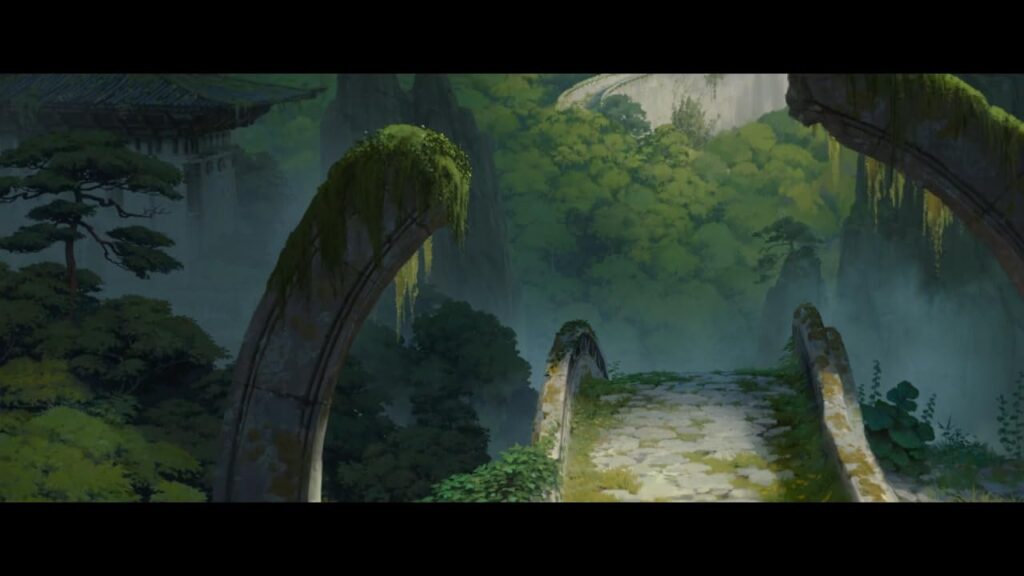
Despite the turmoil, Avatar: Aang, The Last Airbender remains on track for its official release on Paramount+ later this year. The film is expected to showcase rich animation, a new generation of characters, and a story arc that continues the legacy of the original beloved series.
While leaks like this stir controversy and divide opinion, they also spotlight important conversations around content ownership, fan culture, storytelling integrity, and the evolving nature of digital media distribution in the streaming era.
As both fans and critics await the official rollout, the Aang leak saga continues to serve as a vivid case study of how digital leaks can reverberate throughout an industry and fanbase alike, touching on everything from creative passion to corporate strategy.