Cosplay in Africa is not just about putting on a costume anymore, it has grown into this rich, creative space where people are rethinking identity, culture, and gender.
You can really see the energy in places like Nigeria, South Africa, and Kenya, where cosplay communities are pushing back against old gender stereotypes, whether those are from local traditions or western pop culture.
Mix in the rise of African comics, and suddenly, there is a fresh wave of stories that play with how gender is seen and understood.
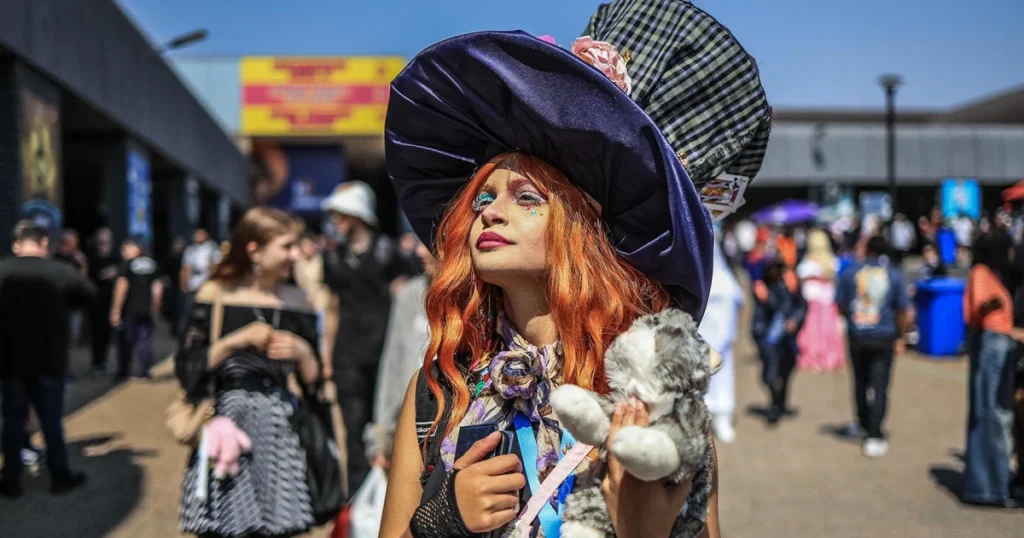
At its heart, cosplay lets fans slip into the skin of characters they look up to. In the past, gender boundaries set the rules: men played male characters, women played female ones.
But a lot of African cosplayers are not following those rules anymore. Cosplaying a different gender is way more common and accepted now.
You will see women cosplaying as fierce male warriors or men taking on female roles that are all about elegance and grace.
This is not just about the clothes, it is a real statement on the right to express yourself however you want.
African Comics Fueling a New Representation Wave
This shift stands out even more when you check out what is happening in African comics.
For years, both local and western comics stuck to tired stereotypes: macho men, hyper-sexualized or sidelined women.
Now, more and more African creators are drawing characters with real complexity.
Female heroes are not just supporting cast they are leaders, fighters, and fully fleshed out people.
Male characters show more emotion, bucking the idea that strength means being stone faced or physically tough.
Look at the superhero stories rooted in African mythology. Instead of copying Marvel or DC, creators are dipping into their own cultures, filling their stories with powerful women, gender-fluid spirits, and heroes who work for their whole community.
Cosplayers who bring these characters to life are not just having fun at conventions they are also making these new kinds of heroes visible on social media and everywhere fans gather.
A Cultural Shift Powered by Youth and Community
Instagram, TikTok, and similar platforms have changed all this. African cosplayers can post their work for the world, build communities, and challenge old stereotypes right there in the comments or duets.
Someone in Lagos might show off a gender-bending interpretation of a character, and suddenly, people everywhere are seeing new possibilities for how gender can look in fandom.
That said, it is not always easy. Some parts of African society still hold tight to strict gender roles, and cosplayers who step outside those lines can run into criticism or confusion.
Cosplaying can stir up debate because it is not just about style, it cuts deep into ideas of who you are “supposed” to be.
Plus, western stories still dominate fan spaces, making it tough for African stories to always get the spotlight. There is this constant balancing act between loving global pop culture and protecting what is local.
Still, the movement keeps picking up speed, especially thanks to young people. Comic conventions in cities like Lagos and Nairobi are turning into safe havens, where cosplayers do more than just dress up.
They become storytellers, activists, and the face of a new kind of culture, by choosing who to cosplay and how to do it, they steer the conversation on gender and representation.
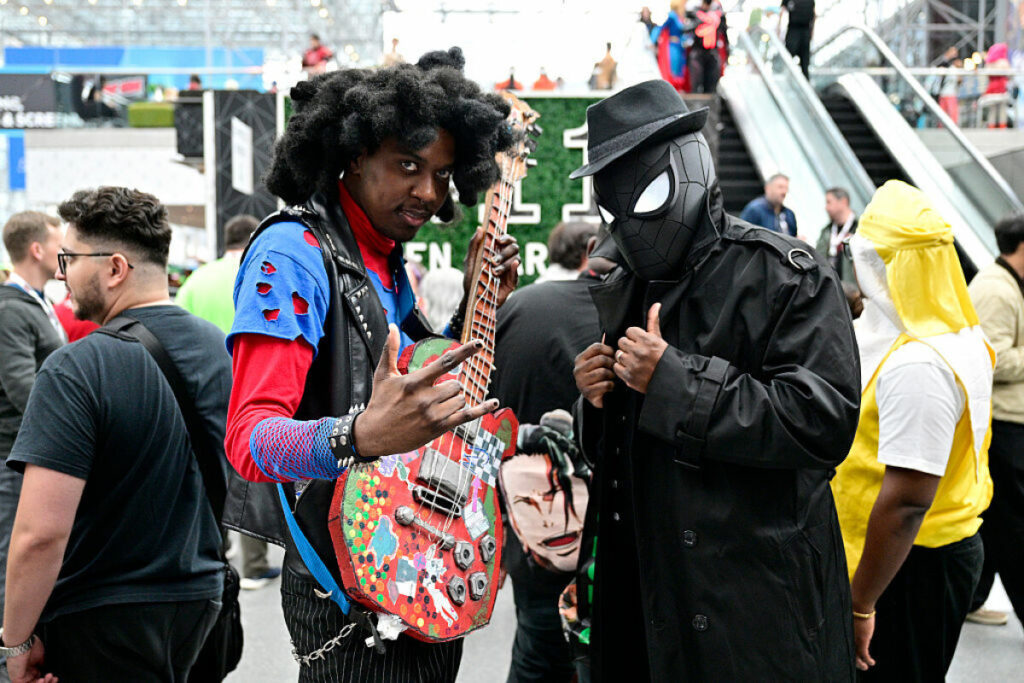
All this goes beyond just being seen. It is about flipping the script on power. When a young Nigerian woman cosplays a male superhero, she is laying claim to strength and leadership.
When a guy cosplays a character full of emotion and beauty, he is challenging the tired shame around being vulnerable.
These choices may seem small, but they add up to a real shift in who gets to be seen as brave, strong, or important.
Looking forward, the mix of cosplay and African comics has huge promise. More creators are writing all sorts of characters, more fans are stepping into those roles, and the line between fiction and reality keeps getting blurrier.
Media shapes how we see ourselves, and cosplay gives that a tangible form. It lets people try on identities that are not always accepted in daily life, turning imagination into quiet social rebellion.
In the end, cosplay in Africa has pushed far past being just a fun pastime.
By taking on gender norms and celebrating diverse stories, cosplayers and comic creators are breaking chains that have lasted for generations.
Together, they are writing a new story one where identity is open, creative expression wins, and anyone can be the hero.