If you spent any time on Twitter or Instagram over the past few days, you likely ran into a short street interview clip that made almost every Nigerian movie fan do a complete double-take.
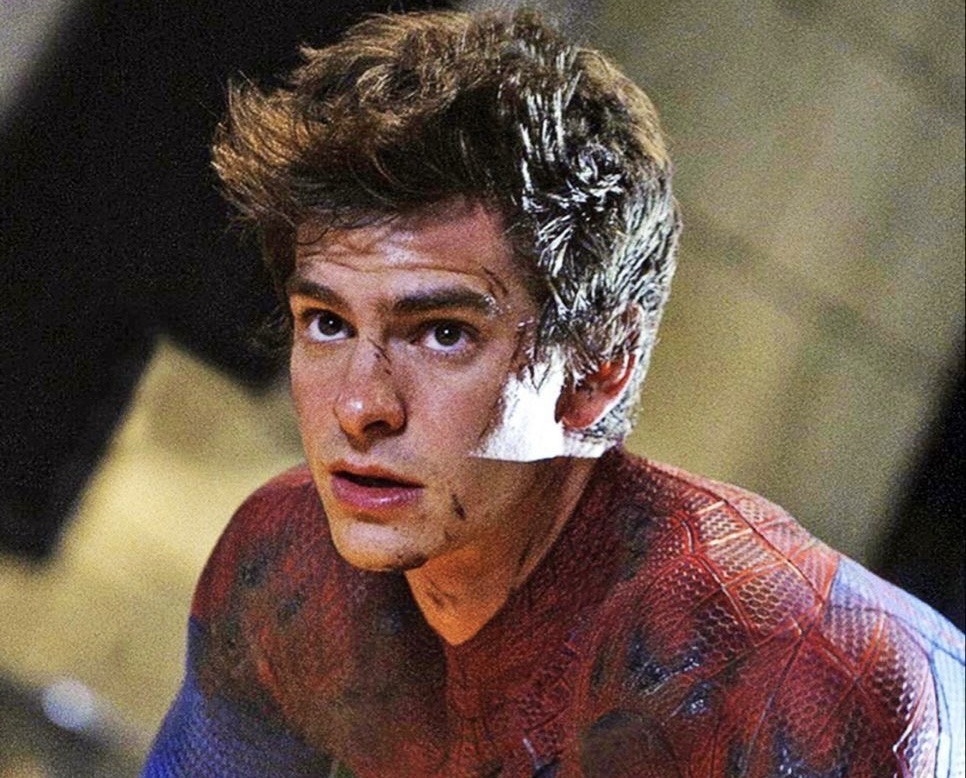
In a casual street interview segment with Track Star, British actor Andrew Garfield dropped a piece of character preparation trivia that no one saw coming: while gearing up to play Peter Parker in Marc Webb’s The Amazing Spider-Man, his primary musical obsession wasn’t indie rock or Queens hip-hop.
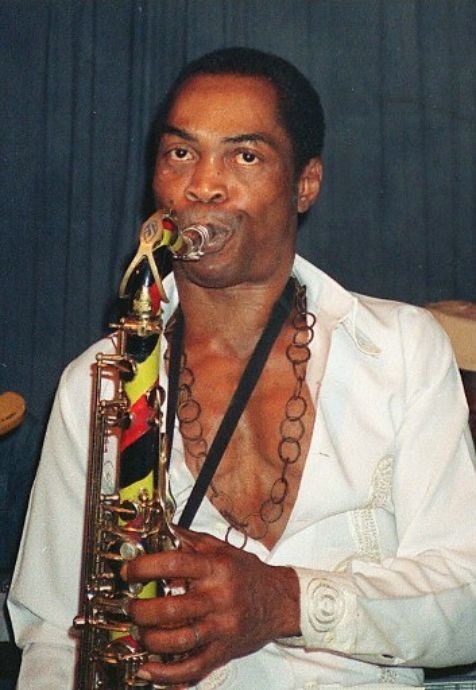
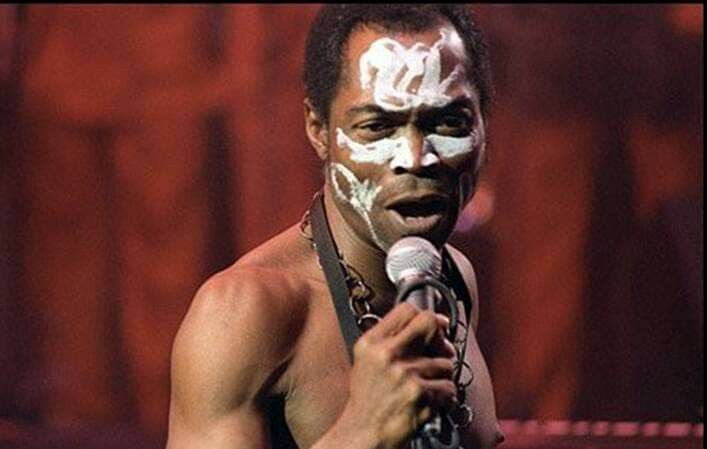
It was the raw, hypnotic, horn-heavy Afrobeat pioneer himself, Fela Anikulapo Kuti.
For anyone who grew up watching Garfield swing through New York skyscrapers with that signature, fluid physical style, hearing him attribute his movement in the iconic red-and-blue suit to the rhythm of Abami Eda sounds almost surreal on first listen. But when you break down how actors build physical performance from the inside out, it actually makes total, undeniable sense.
The Playlist Behind the Suit
“I create a playlist for every character I play, which is a lovely, fun thing to do anyway,” Garfield explained during the interview clip. “So I started listening to Fela Kuti when I first got Spider-Man.”
It wasn’t just background noise while he hit the gym to bulk up for the suit, either. For Garfield, Fela’s music cracked open something fundamental about the character’s internal energy and physical expression.
“There was something about the sound and the rhythm that was really useful to me for that character. There was something about suddenly being in touch with the body, but also justice-seeking, because obviously he was a revolutionary figure. And the way that I moved in that film, in the suit, has some inspiration from Fela and his music.”
Garfield elaborated on that exact magnetic pull, adding: “I was like, ‘I don’t know what it is about this guy’s power, but I want to somehow reflect it in this guy’s power.'”
You can watch the original clip and community discussion surrounding Andrew Garfield’s reveal on Fela Kuti inspiring his Spider-Man performance to see the actor detail his process firsthand.
Understanding the Physicality: Why Fela and Spider-Man Line Up
To understand why an actor would turn to Water No Get Enemy, Zombie, or Sorrow Tears and Blood to prepare for a comic book hero, you have to look at what set Garfield’s Spider-Man apart from other live-action iterations.
When Tobey Maguire played Peter Parker under Sam Raimi’s direction, the movement was grounded in classical hero poses, steady, muscular, and somewhat traditional. Tom Holland’s MCU Spider-Man leaned heavily into elite gymnastics, parkour flips, and youth-driven agility.
Garfield’s Spider-Man, however, was always remarkably different in motion. His Peter Parker moved like water. He was long-limbed, constantly shifting his center of gravity, staying light on his feet, and bouncing with an organic, rhythmic impulse that felt almost like improvisational dance.
That improvisational flow is the absolute backbone of Fela’s Afrobeat.
Fela’s music is famously loose yet intensely structured. It relies on deep, driving basslines, complex polyrhythms, and horn sections that demand physical reaction. When you listen to a ten-minute Fela track, you can’t stand static; your body naturally responds to the groove. For an actor looking to break out of rigid superhero postures and find an organic, fluid way to crawl, bounce, and dodge attacks, tapping into Fela’s rhythm provided a masterclass in body awareness.
The Revolutionary Parallel: Justice-Seeking Energy
Beyond the physical rhythm, Garfield hit on something even deeper during his interview: the shared spirit of “justice-seeking.”
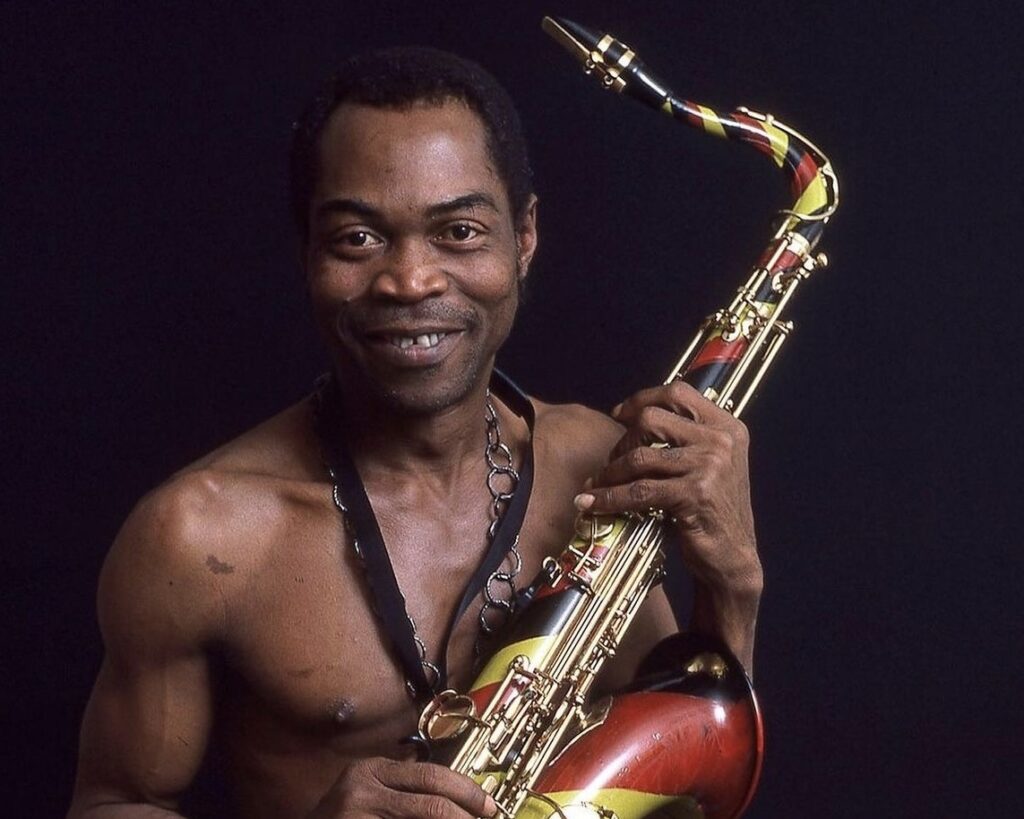
Fela Kuti was never just a musician making catchy records. He was a political revolutionary, an outspoken activist who used Afrobeat as a weapon against state oppression, corruption, and systemic injustice. His music carried weight, authority, and an unshakeable sense of defiance.
Spider-Man, at his core, is a street-level hero whose entire origin story is rooted in the moral duty to fight for the everyday person. He isn’t an alien god or a billionaire in high-tech armor; he is a working-class kid standing up against bullies and corrupt systems because he believes it’s the right thing to do.
Connecting Fela’s revolutionary drive to Peter Parker’s internal moral compass gave Garfield a grounded emotional hook. It shifted his performance away from being a generic comic book spectacle into something driven by conviction, grit, and swagger.

A Continuing Global Legacy
What makes Garfield’s revelation so satisfying for African pop culture fans is seeing how far Fela’s footprint continues to reach decades after his passing.
We often talk about Fela’s influence when Western pop stars like Beyoncé, Drake, or Damon Albarn sample his tracks or cite him as a musical reference. But hearing a top-tier Hollywood actor explain how Afrobeat directly shaped the physical posture and emotional movement of one of the biggest superhero franchises in cinematic history shows just how deeply African art permeates global culture.
Fela built a sound system in Lagos that was so potent, so rhythmically alive, and so morally charged that decades later, an actor in London and Los Angeles used it to figure out how a kid from Queens swings through the sky.
Next time you rewatch The Amazing Spider-Man and see Garfield crouched on a ledge or dodging electro-charges with effortless, rhythmic poise, listen closely, there’s a little bit of Kalakuta running through that web-slinging.