Inside the Nigerian studio quietly keeping the lost art of frame-by-frame animation alive while helping Black creators around the world turn their stories into cinematic experiences.
There are moments in the creative industry that genuinely surprise you.
The COMICPANEL team recently visited the Lagos headquarters of SPOOF Animation expecting to see a promising African studio trying to find its footing.
What we encountered instead felt like stepping into a hidden corner of the old Disney era somehow transported into modern-day Nigeria.
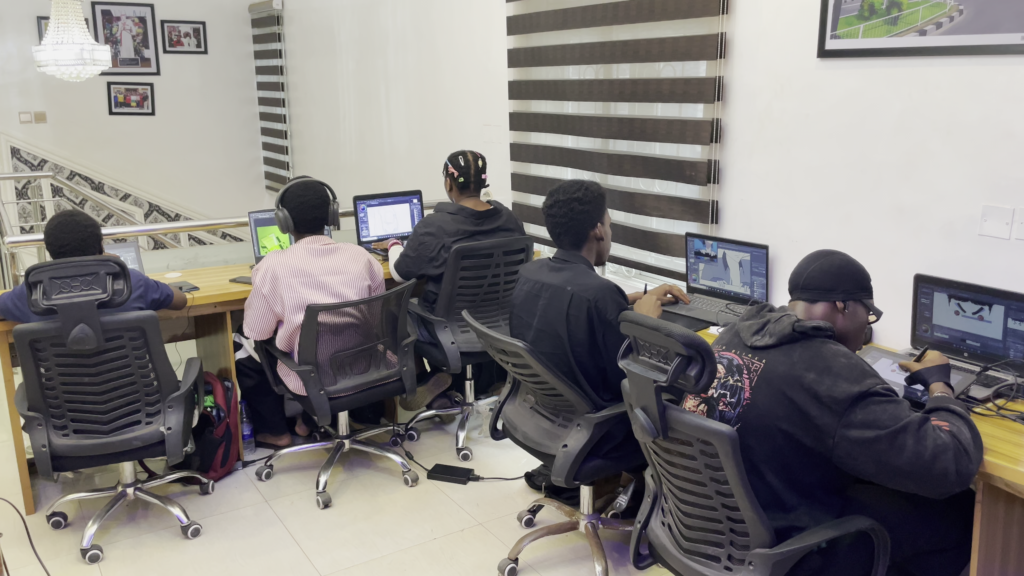
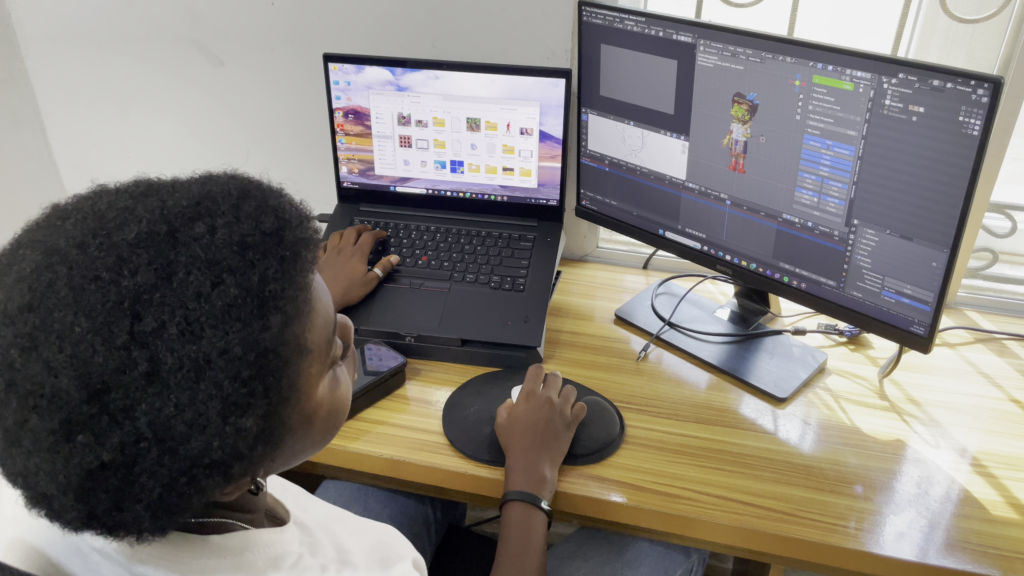
Artists hunched over animated sequences frame by frame. Storyboards pinned across walls. Voice sessions happening simultaneously while animators debated movement timing and cinematic angles. Everywhere you looked, there was an almost obsessive attention to storytelling and motion.
And perhaps the biggest shock was this: this level of animation quality was being produced right here in Lagos, Nigeria.
At a time when much of the global animation industry has shifted heavily toward CGI pipelines and AI shortcuts, SPOOF Animation has spent more than ten years preserving one of animation’s most demanding crafts, traditional frame-by-frame 2D animation.
The same style that once defined the golden age of The Walt Disney Company classics.
While many studios moved away from it because of cost and time, SPOOF quietly leaned deeper into it.
“We believe there’s still soul in frame-by-frame animation,” said CEO Ayodele Elegba during our visit. “I’m constantly talking to producers about why hand-drawn 2D still matters. Audiences may not always understand the technical side, but emotionally, they feel the difference immediately. There’s warmth. There’s life. Every frame carries intention.”
That philosophy is visible in the studio’s work.
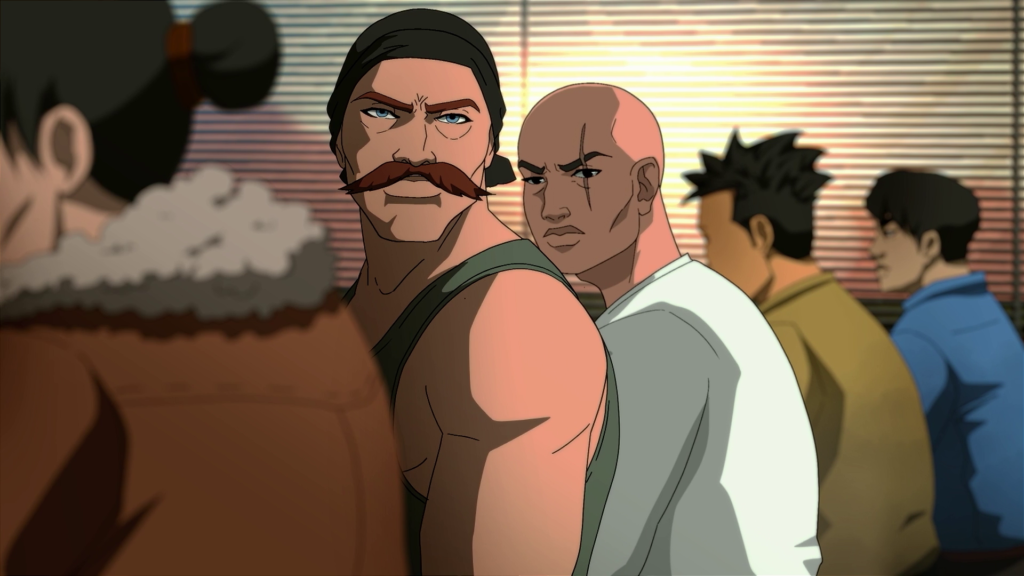
Unlike many productions that feel mechanical or overly polished, SPOOF’s animation feels alive. The action scenes breathe. Characters move with personality.
Facial expressions carry emotional nuance. Even quiet moments have energy.
Inside the studio are over 30 animators, storyboard artists, editors, designers, and voice talents working together in what feels less like a corporate office and more like a creative war room fueled by passion and caffeine.
But beyond the visuals, what truly stood out during our visit was the studio’s deep focus on storytelling.
“We don’t just want beautiful animation,” explained Head of Story Collins Momodu. “A lot of studios focus heavily on visuals, but story is what makes people remember characters years later. At SPOOF, storytelling drives everything. That’s where we believe our edge really comes from.”
That mindset may explain why independent Black creators and producers from around the world are beginning to pay close attention to the Lagos-based studio.
For years, many African creators with strong ideas struggled to find animation partners who truly understood the cultural nuances behind their stories.
Major overseas studios were often too expensive or disconnected from the material itself. Smaller studios sometimes lacked structure or consistency.
SPOOF appears to be bridging that gap.
Over the years, SPOOF Animation has quietly built an impressive track record that speaks volumes about the studio’s consistency and growing global reputation. From its Lagos headquarters, the team has successfully completed over 80 productions, delivered more than 600 minutes of animation, and collaborated on 14 international projects spanning countries such as Canada, United States, France, Ethiopia, and United Kingdom.
The studio’s ambitious original project, HERO CORPS, is also currently streaming on YouTube, further proving that African-created animation can not only compete visually but also build audiences across digital platforms worldwide.
The studio combines cinematic storytelling, strong 2D craftsmanship, affordability, and cultural understanding in a way that feels increasingly rare in today’s animation landscape.
One project currently drawing international attention is Namaksai, whose teaser recently won second place at the AfroAnimation Summit in Burbank.
Watching clips of the project during our visit, it became easier to understand why international audiences are beginning to take notice.
The production quality feels global, but the storytelling perspective remains deeply rooted in identity and emotion rather than imitation.
And perhaps this is where SPOOF’s greatest strength lies.
The studio is not trying to become an African version of someone else. It is building its own voice.
Another surprising thing we discovered during our conversations was how seriously the studio approaches professionalism and trust.
This may sound like a small thing, but in an industry where Nigeria still battles unfair global stereotypes around scams and inconsistency, credibility matters enormously.
Animation projects can take months or even years to complete. Producers need confidence that deadlines will be respected, communication will remain clear, and the vision will be protected.
From everything we observed during our visit, SPOOF understands this responsibility deeply.
The team structure is organized. Pipelines are active. Communication appears intentional.
And perhaps most importantly, there is genuine hunger inside the studio to prove that world-class animation can emerge from Africa without compromise.

Even more interesting is that SPOOF remains surprisingly accessible to independent producers. While many international animation studios charge rates beyond the reach of smaller creators, SPOOF has intentionally positioned itself as a studio willing to collaborate with storytellers who have strong ideas and ambition.
Good stories matter here.
And that openness may become one of the studio’s biggest advantages moving forward.
As African storytelling continues gaining global visibility, it is becoming increasingly clear that studios like SPOOF Animation are not simply participating in the future of animation. They are helping define it.
The studio is also constantly recruiting voice actors, animators, artists, and young creatives looking to grow professionally within a real production environment.
For many upcoming Nigerian animators, SPOOF is quickly becoming both a studio and a training ground.
By the end of our visit, one thing became impossible to ignore.
While much of the world abandoned the painstaking art of hand-drawn animation, a team in Lagos quietly kept the fire burning.
And now, the world may finally be starting to notice.
Want to see the magic for yourself? Check out SPOOF Animation’s official showreel and experience the level of storytelling, motion, and craftsmanship coming out of Lagos firsthand.