When the curtains fell on the grand finale of the 2026 Lagos International Festival of Animation at the Alliance Française / Mike Adenuga Centre in Ikoyi, the energy inside the hall signaled much more than the end of a three-day event. Running from October 20 to 22, 2026, this tenth-anniversary edition represented a decade of continuous growth, creative resilience, and industry evolution for West Africa’s animation scene.
For ten years, local animators have navigated tough production conditions, working through high rendering costs, fragmented distribution channels, and a broadcast landscape historically dominated by foreign imports. Yet, standing inside the packed auditorium on the festival’s closing night, the atmosphere was defined by milestone achievement and historic institutional backing.
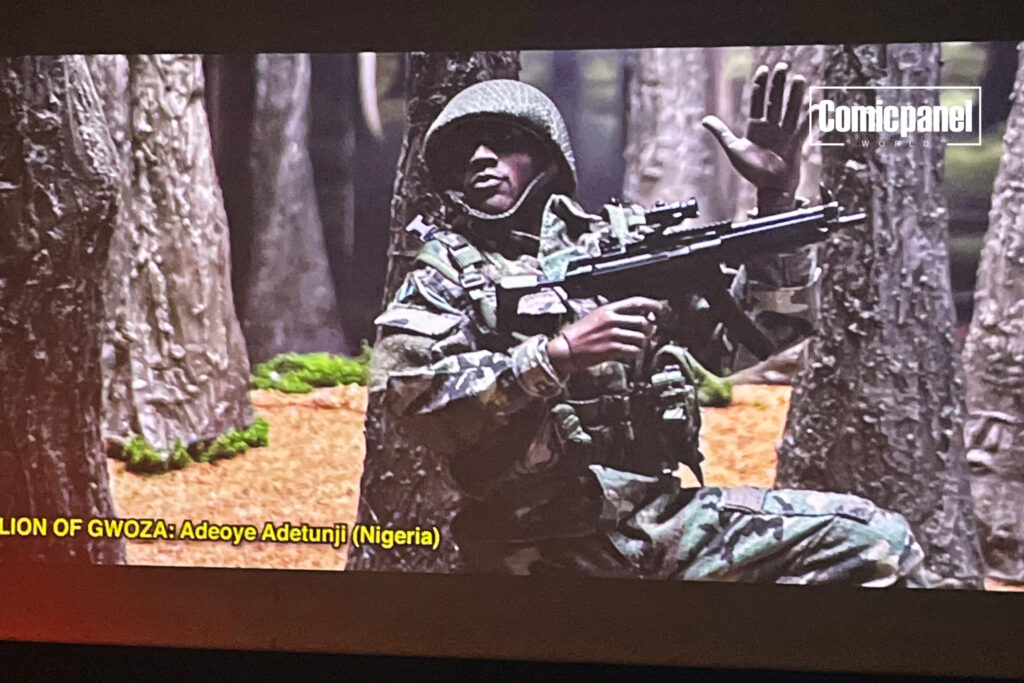
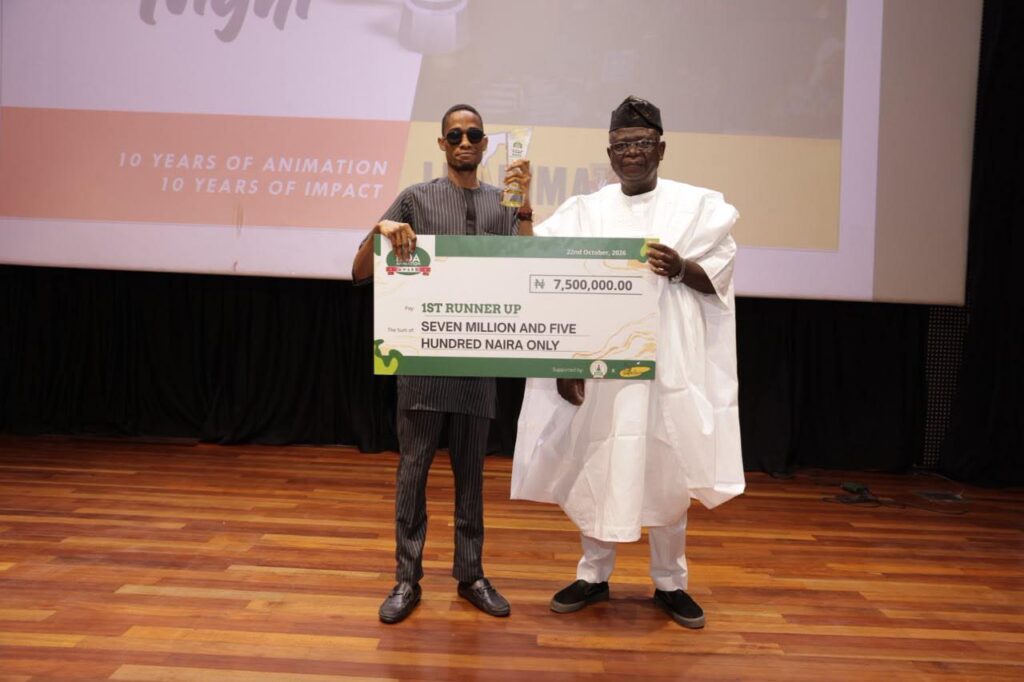
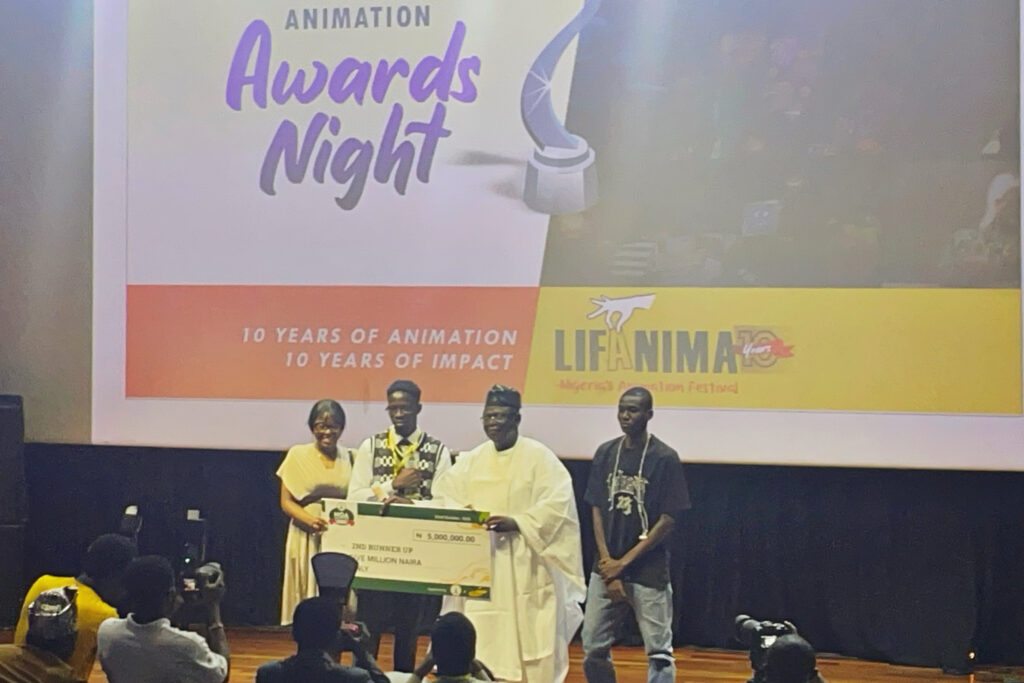
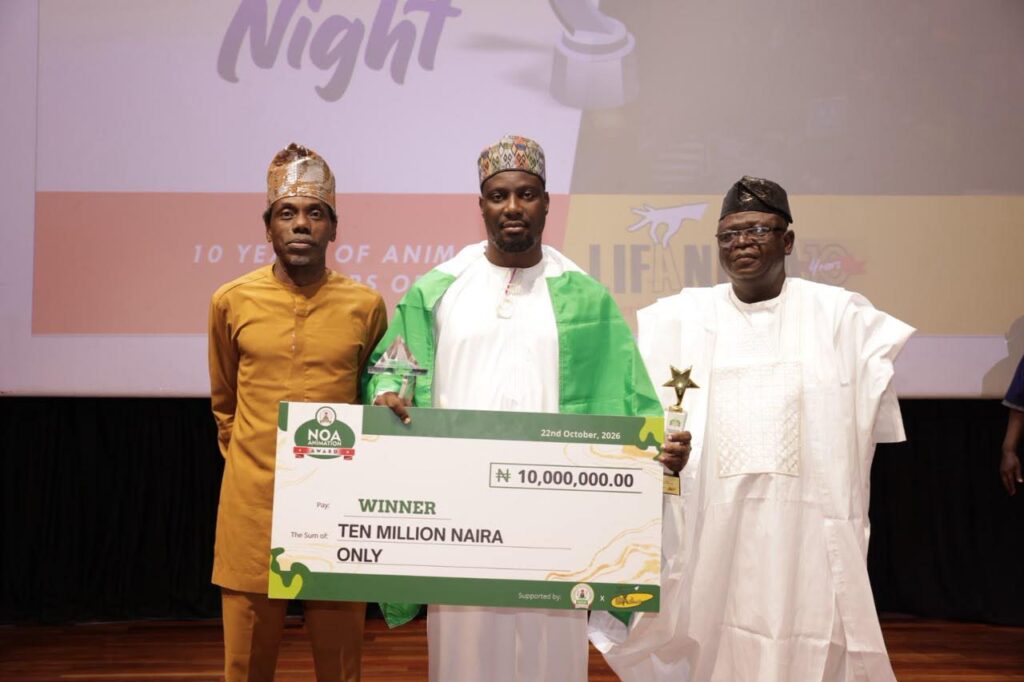
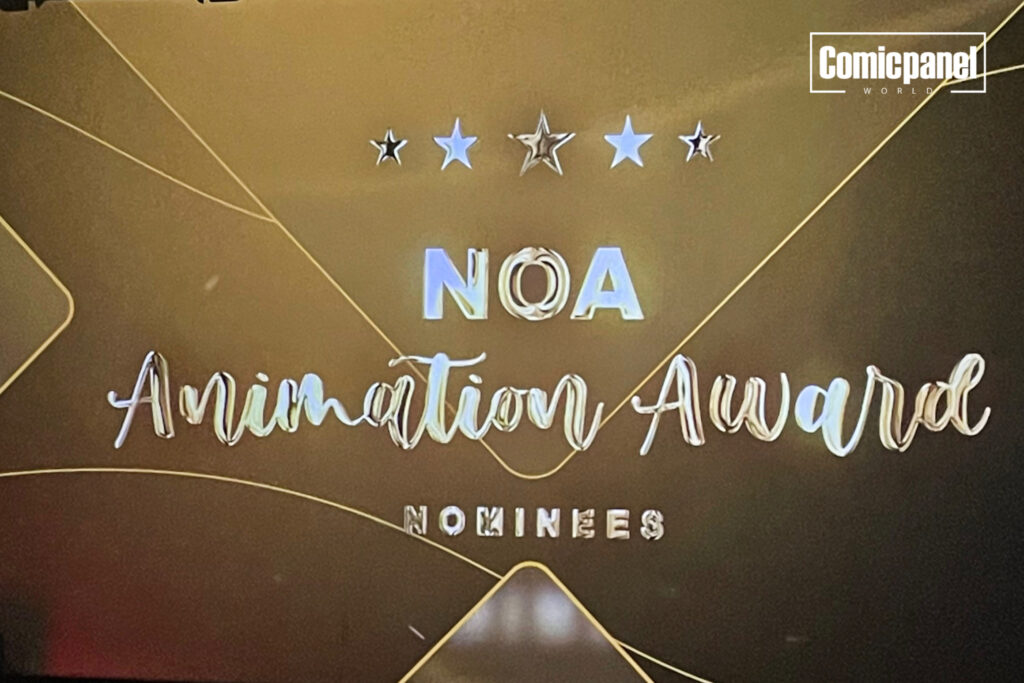
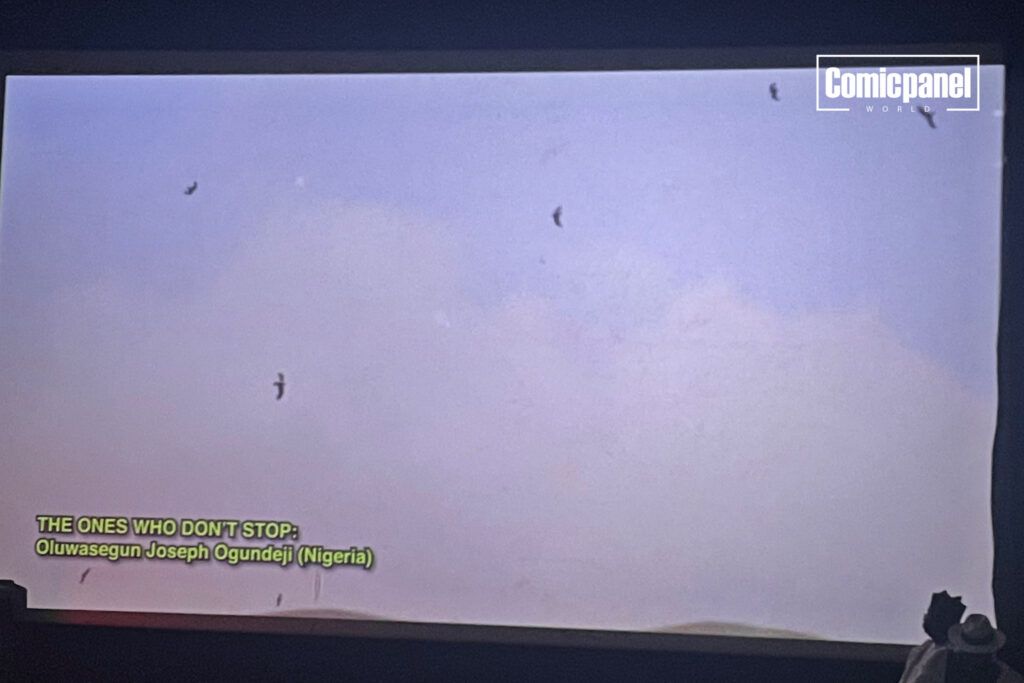
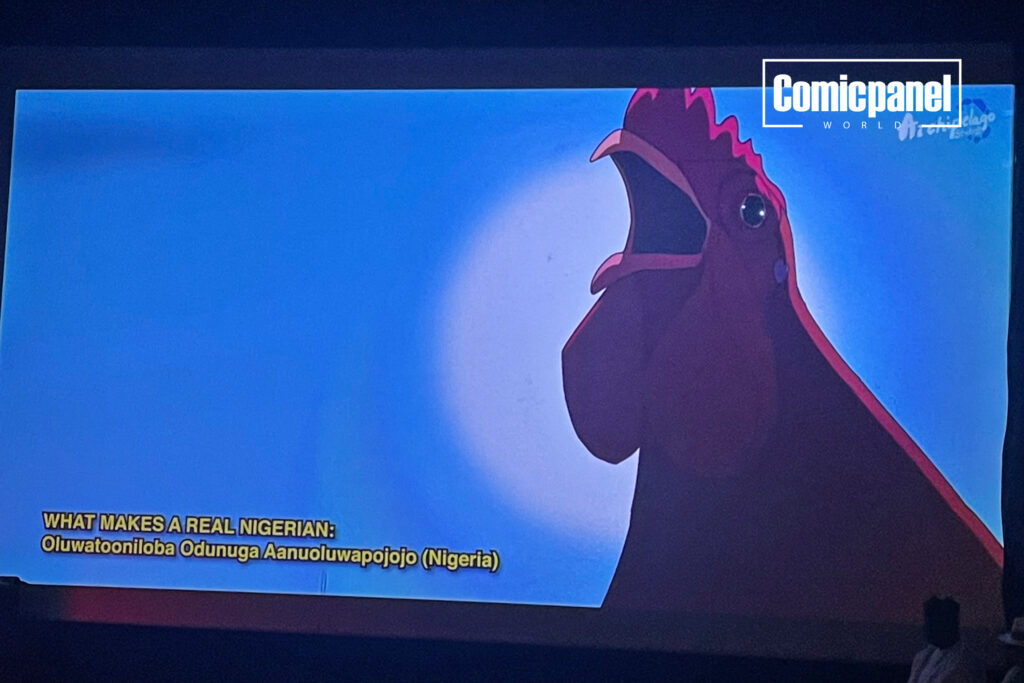
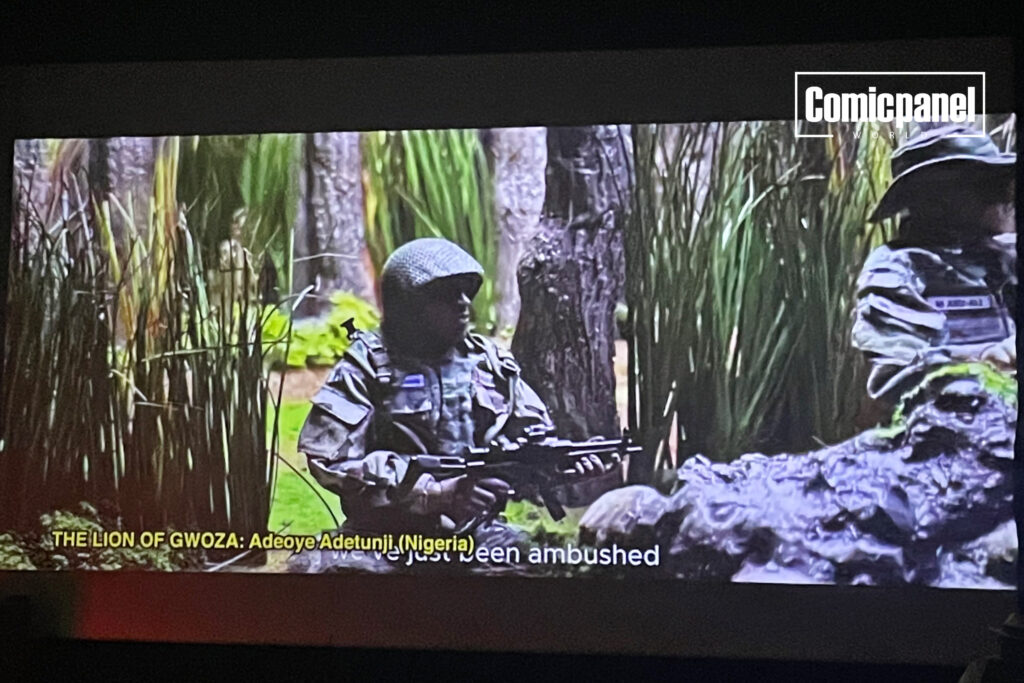
The highlight of the finale was the official presentation of the inaugural National Orientation Agency Animation Awards, an initiative endowed with ₦22.5 million in cash prizes to reward indigenous storytelling. Nigerian animator Adeoye Adetunji claimed the grand prize of ₦10 million for his remarkable stop-motion work, The Lion of Gwoza. The second-place prize of ₦7.5 million went to Oluwatooniloba Odunuga for What Makes a Real Nigerian, while Oluwasegun Joseph Ogundeji secured the third-place prize of ₦5 million for The Ones Who Don’t Stop.
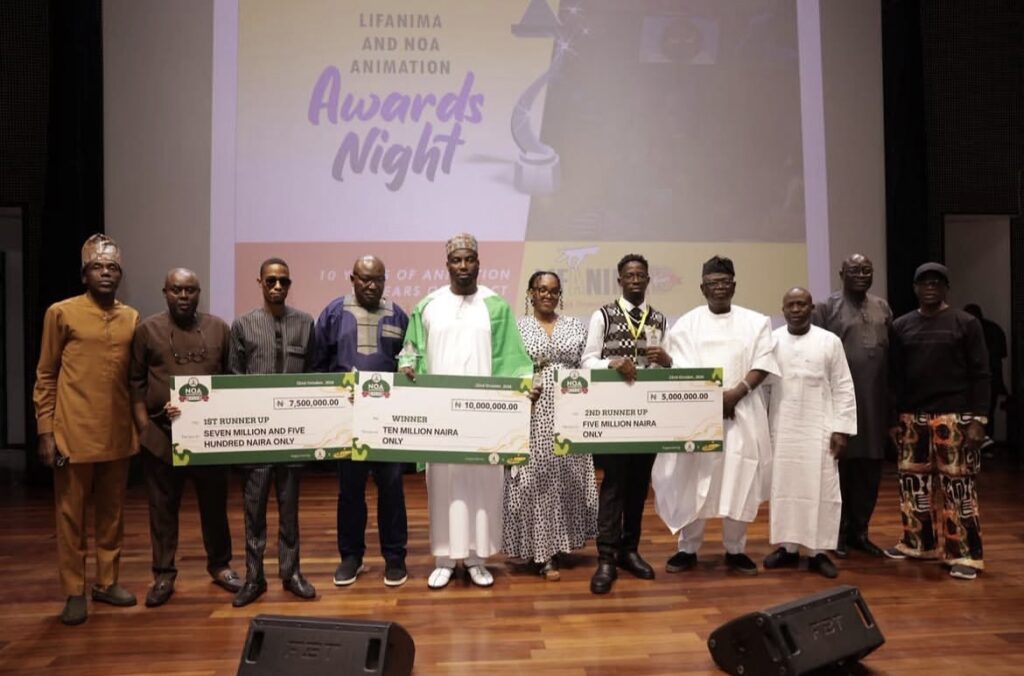
Selected from more than 150 submissions nationwide under the thematic prompt Who is a Real Nigerian?, these winning projects demonstrate what becomes possible when local creators receive direct financial backing to explore national identity, local history, and social values through digital art.
The award demonstrates the potential of animation to communicate important national messages, engage younger audiences, and inspire conversations about citizenship, unity, and the values that bind Nigerians together.
LIFANIMA 2026 Celebrates Excellence Across Five Categories
In addition to the NOA Animation Award, LIFANIMA recognised outstanding creative achievements across five categories:
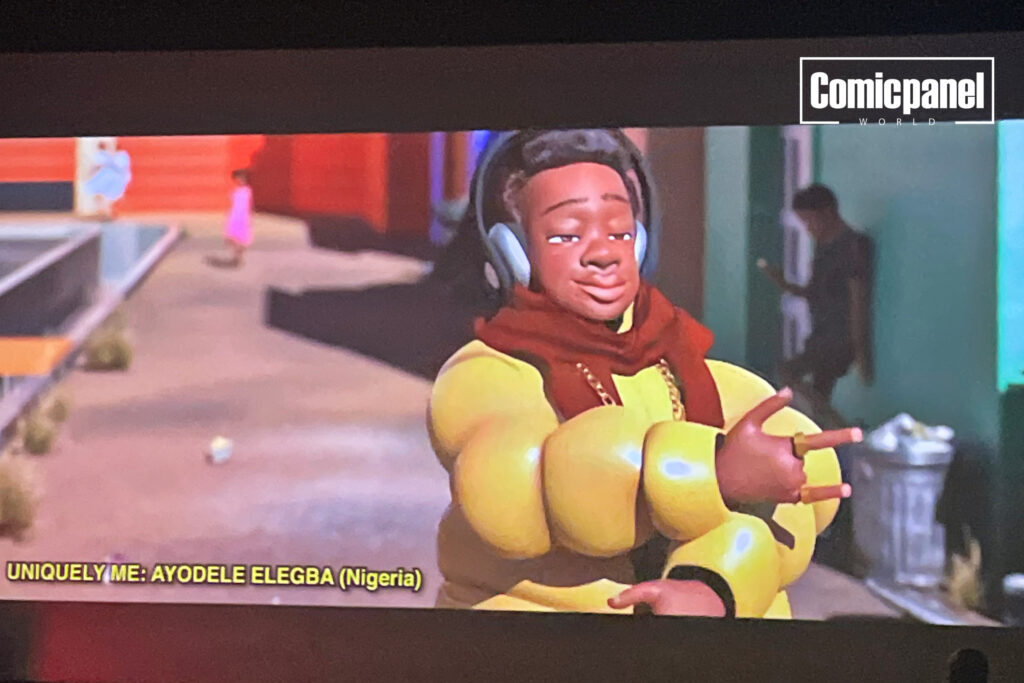
- 3D Animation Winner: Uniquely Me — Ayodele Elegba
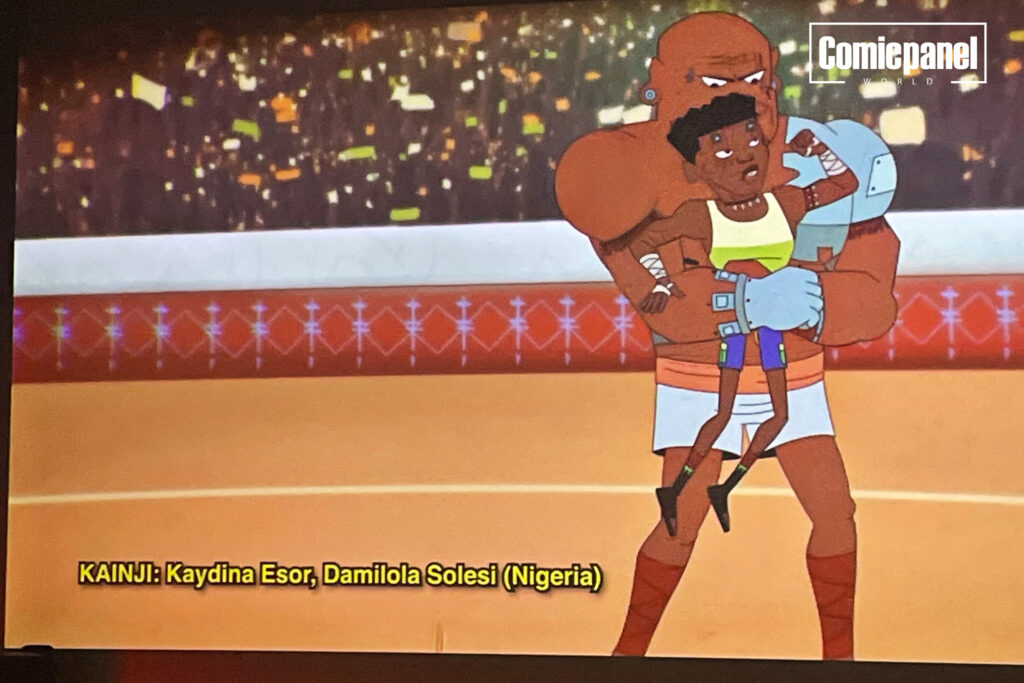
- 2D Animation Winner: Kainji — Kaydina Esor and Damilola Solesi
- Stop Motion Animation Winner: The Lion of Gwoza — Adeoye Adetunji
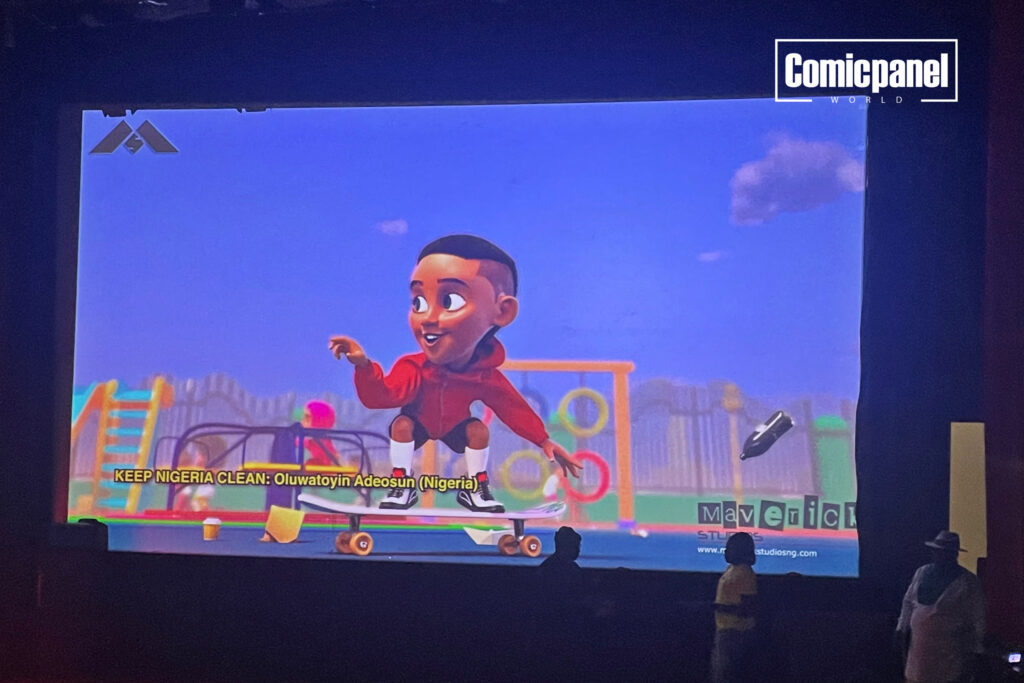
- Animation Commercial Winner: Keep Nigeria Clean — Oluwatoyin Adeosun
- Visual Effects Winner: New Beginning — Temitope Falase
Seeing veterans like Ayodele Elegba, Damilola Solesi, and Kaydina Esor stand alongside emerging stop-motion directors proves that the Nigerian animation ecosystem is building real depth across multiple creative pipelines.
A Decade of Imagination: Reflecting on 10 Years of Impact
To fully appreciate the weight of this tenth-anniversary edition, one must understand the foundation laid a decade ago. When festival director Muyiwa Kayode established LIFANIMA in 2016, the core belief was clear: animation possesses the unique power to transform how Africa tells its stories, preserves its cultural heritage, educates its youth, and participates in the global creative economy.
Ten years later, that conviction has matured into a continental movement. Reaching this anniversary represents a major milestone, offering the industry an opportunity to celebrate the creative partnerships that have sustained the community while looking boldly toward a commercial future. Over the past decade, the festival has evolved into an essential hub for connecting studio executives, showcasing technical breakthroughs, and proving the economic viability of African narrative art.
The 2026 program reflected that heightened ambition at every turn. The schedule featured specialized animation workshops, film screenings, executive panel discussions, networking cocktail sessions, and the grand finale awards ceremony.
A standout feature of this year’s program was Innovation Day, which spotlighted local developers building specialized software and tech tools tailored for creative studios. As emerging technologies reshape how content is created and monetized globally, African innovators are stepping up as active creators of their own production pipelines rather than remaining passive consumers.
Investing in upcoming talent remained central to the festival’s vision. Through the Stop Motion Animation Lab, teenagers were introduced to hands-on physical animation, experimenting with frame timing, armature building, and character staging.
Cultural preservation also took center stage through a special collaboration with the Centre for Black and African Arts and Civilization, highlighting their upcoming FESTAC ’77 at 50 initiative. By using digital animation to revisit historical milestones, creators demonstrated how modern technology can safeguard Africa’s cultural memory for future generations.
This decadal gathering expands on the foundation laid across previous editions, continuing the momentum seen in earlier industry coverage where everybody is getting animated while raising the bar for African animated content.
The Federal Step-Up: Institutional Backing Meets Content Policy
While festival milestones offer reason to celebrate, the direct involvement of the National Orientation Agency represents a crucial structural turning point for the industry. The NOA Animation Awards are part of a broader government policy framework approved by the Federal Executive Council in 2024 to institutionalize national value orientation through creative media.
Representing NOA Director General Malam Lanre Issa-Omilu at the ceremony, Director of Special Duties and States Operations David Akoji emphasized that animated storytelling is uniquely positioned to cultivate civic consciousness, national pride, and ethical character among young citizens. For generations, foreign cartoons have dominated domestic television screens, quietly creating a cultural gap where young children grow up fluent in foreign tropes while remaining distant from local folklore, languages, and historical figures.
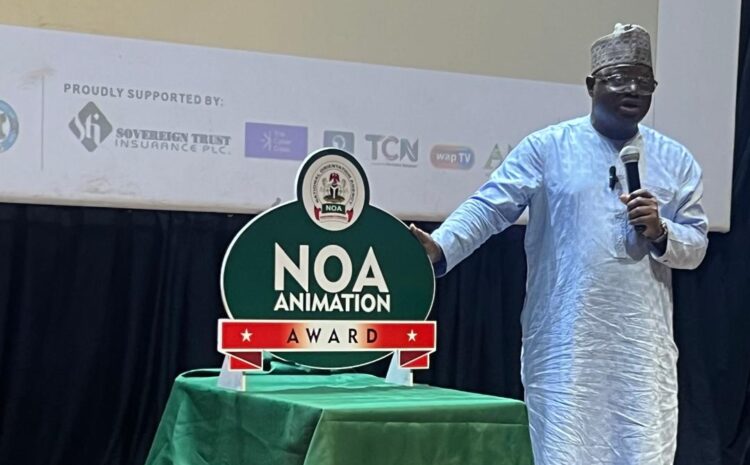
To directly address this imbalance, the Federal Government is implementing a national content policy aimed at achieving a 70 percent local content quota for all television cartoons broadcast across Nigeria. Working alongside the National Broadcasting Commission, joint implementation committees are updating national broadcasting codes and establishing monitoring systems to ensure television networks allocate airtime to indigenous animation.
The ₦22.5 million cash prize pool serves as a direct financial intervention to address shortfalls in local content production. By rewarding animators who build stories around local heroes, resilience, and cultural heritage, the government aims to stimulate private investment, encourage commercial licensing, and establish a self-sustaining creative ecosystem.
This institutional backing fulfills the policy momentum discussed when the National Orientation Agency unveiled the ₦22.5 million animation award framework, turning official promises into direct cash grants for working artists.
Why Government and Private Investors Must Expand Animation Capital
The success of LIFANIMA 2026 and the NOA awards underscores a clear reality: while talent across Nigeria is abundant, sustainable industry growth requires long-term, structural capital. Cash prizes at festivals provide vital encouragement, but building a globally competitive animation industry requires dedicated infrastructure, tax incentives, co-production funds, and low-interest creative loans.
Animation is fundamentally a high-capital, technology-intensive medium. Unlike live-action filmmaking where scenes can be captured on camera in weeks, a five-minute high-end animated short can take months of intensive pre-production, visual development, 3D modeling, rigging, lighting, and rendering. Without institutional backing, local studios are often forced to take on commercial advertising gigs just to keep their electricity running, shelving original feature films and television series indefinitely.
If the government’s 70 percent local content mandate is to succeed, local television networks and streaming platforms must have a steady supply of high-quality, long-form content to air. Achieving that volume requires public-private partnerships that fund studio pipelines, establish render farms, subsidize high-end hardware imports, and protect intellectual property rights.
When public institutions, private investors, and tech developers align, the economic potential is immense. A thriving animation industry creates high-paying technical jobs for visual artists, software engineers, sound designers, voice actors, and writers. Furthermore, internally generated intellectual property opens doors for lucrative merchandising, gaming adaptations, toy manufacturing, and international distribution deals that generate foreign exchange.
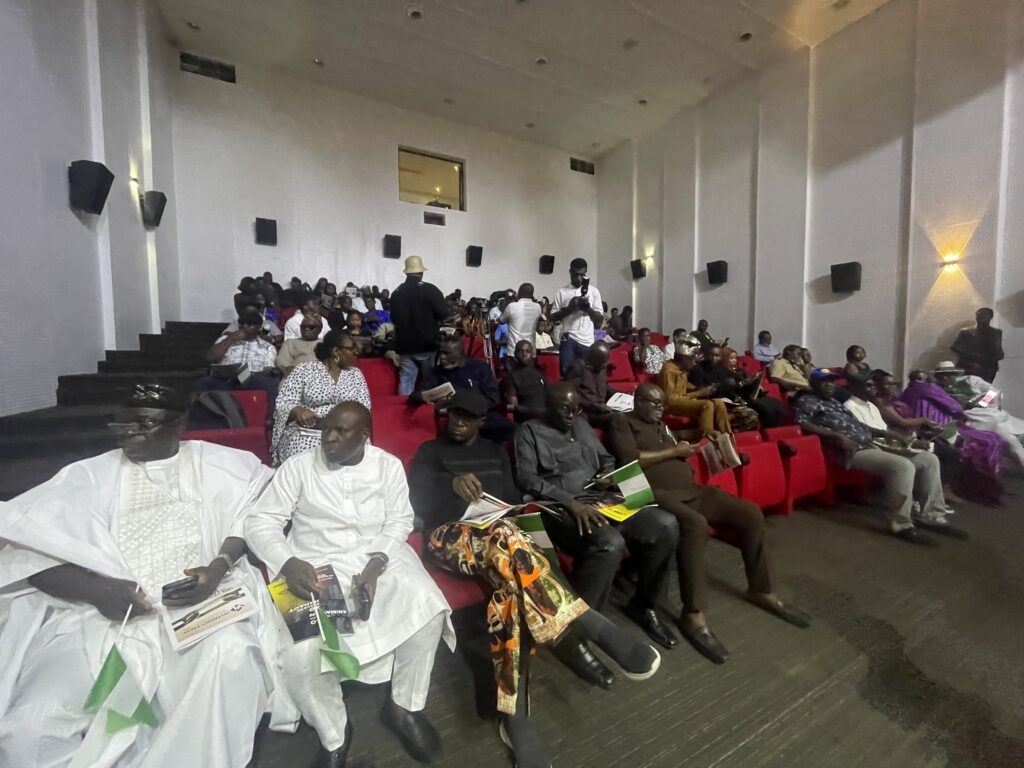
These economic discussions echoed throughout the policy panels at the Mike Adenuga Centre, aligning with the strategic goals established when creative economy dialogues set the tone for Africa’s animation future.
From Building a Platform to Building an Industry
As the awards ceremony came to a close, the mood among studio founders and independent animators was one of determined optimism. The recognition of top talent during the final night carried on the festival’s proud tradition, echoing the celebratory spirit of past gatherings where awards nights celebrated the best of African animation.
However, the overarching consensus across the festival floor was unanimous: the first ten years of LIFANIMA were about building a platform; the next ten years must be about building a self-sustaining, multi-billion naira industry.
Africa possesses a wealth of untold stories, rich folklore, and extraordinary creative talent. What remains to be built are the legal frameworks, distribution networks, commercial partnerships, and equity funds that will enable local creators to convert that creative wealth into globally recognized brands.
With government agencies stepping up and local creators delivering world-class work, Nigerian animation is finally moving out of the margins and taking its rightful place at the center of the continent’s creative economy.