In a landmark collaboration that could reshape the future of Africa’s gaming and tech workforce, Nigeria-based game studio Maliyo Games has partnered with Arizona State University (ASU) to provide cutting-edge artificial intelligence (AI) and game development training for African youths. The partnership, announced in Lagos earlier this month,aims to equip thousands of young creators with globally competitive skills and credentials.
This initiative represents a major milestone in bridging the skills gap between African talent and the demands of the global game and technology industries. Through a structured framework of hands-on learning, micro-credentials, and industry collaboration, the program is set to train and certify up to 10,000 developers across Africa in the coming years.
A Strategic Academic-Industry Partnership
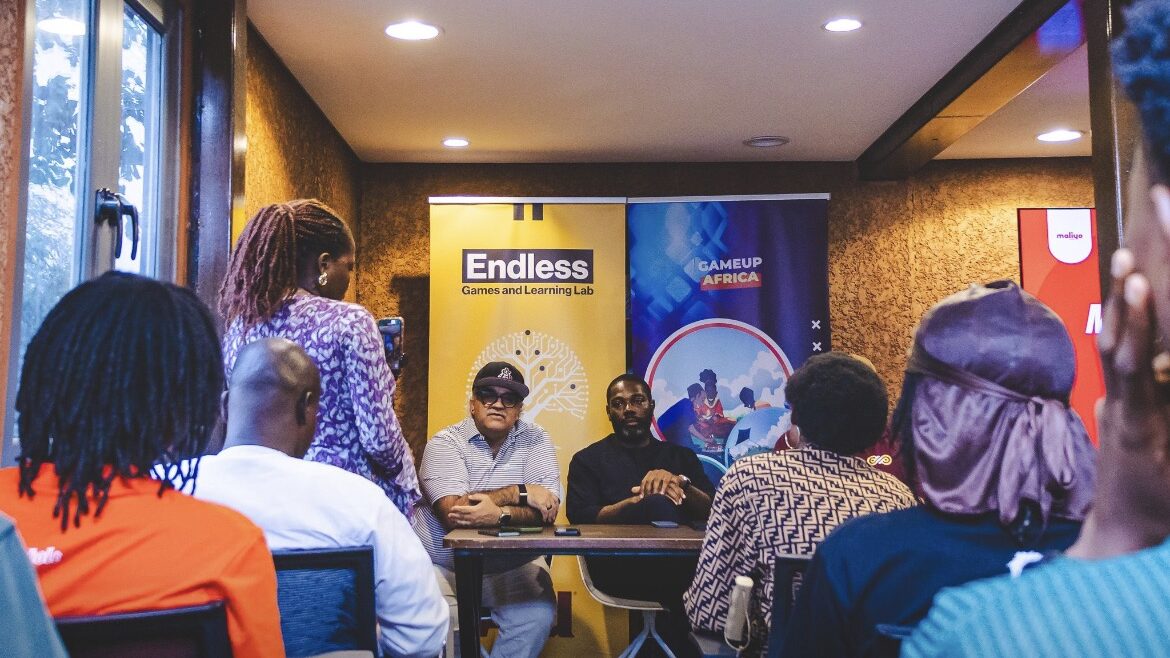
Under the programme, Maliyo Games will work closely with ASU’s Endless Games and Learning Lab, a specialised unit at the prestige U.S. university that focuses on experiential game design, AI innovation, and real-world production pipelines. The collaboration will allow participants to earn globally recognised micro-credentials from ASU while gaining practical experience building games and AI-powered systems.
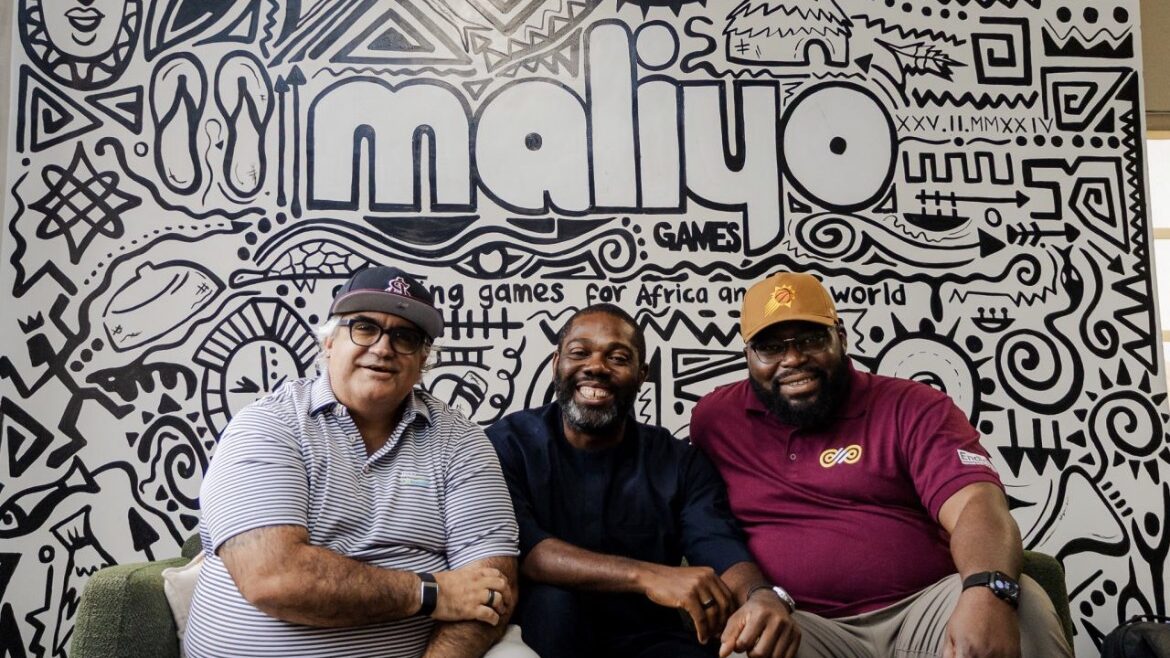
During a visit by Arizona State University officials to Lagos, representatives engaged directly with trainers, learners, and Maliyo Games leaders. The delegation, including Founding Director of the Endless Games and Learning Lab, Mark Olilla, highlighted the creative potential of Africa’s gaming community as a driving force behind the partnership. “This marks a new phase in game development, and we are genuinely excited to be building it with Maliyo Games and the GameUp Africa community,” Olilla said at the event.
At the launch, Hugo Obi, CEO of Maliyo Games, emphasised that the initiative is part of a broader effort to strengthen Africa’s digital economy by equipping young people with skills that meet global industry standards. “By combining structured learning, community support, and access to tools, we are creating opportunities for young people to thrive in game development and beyond,” Obi said.
How the Programme Works
The heart of the collaboration is GameUp Africa, Maliyo Games’ existing training platform. Historically focused on basic game design and development, GameUp Africa’s curriculum has now expanded to include AI literacy and advanced production systems in partnership with ASU. Each participant undergoes project-based training that mirrors real studio workflows, from concept development to live-service systems and collaborative builds.
As of early 2026, more than 150 micro-credentials have already been issued to participants who completed the initial phases of the curriculum, signalling both early success and strong interest in the programme from across the continent.
Micro-credentials issued through the collaboration are flexible and stackable, meaning learners can progress at their own pace and accumulate industry-recognised certifications as they move from foundational skills into more advanced capabilities, a model that aligns with global trends in alternative credential systems for creative and tech professions.
Why This Matters for Africa
Africa’s gaming ecosystem is growing at a remarkable pace. The continent is projected to be home to one of the fastest expanding video game markets in the world, with forecasts estimating values in the multi-billion-dollar range by the end of the decade, driven by mobile gaming, indie development, and a vibrant youth population eager to participate in digital creation.
However, one persistent challenge has been the skills and employability gap. Many aspiring developers and tech professionals lack access to structured training and real-world production experience, often limiting their opportunities to contribute meaningfully to the wider industry. By linking a respected U.S. institution with a local Nigerian game studio, this partnership aims to fill that void by combining global educational frameworks with local cultural context, ultimately creating a new generation of Africa-based game and AI talent who can compete on a global stage. Participants in the programme have reported that the experience extends beyond classroom theory. Many collaborate with peers across disciplines, including artists, sound engineers, and programmers, to deliver authentic, locally relevant projects that reflect both African creativity and global production standards. Such experiences are especially valuable in a sector that has historically favored access to international hubs like Europe, North America, and East Asia.
A New Pipeline for Creative Economy Growth
Industry observers have praised the partnership as a strategic bridge between continents, sectors, and talent ecosystems. The combination of educational innovation, practical training, and certification pathways not only equips learners with immediate skills but also strengthens the broader narrative that Africa can develop homegrown expertise in cutting-edge fields like AI and interactive media.
This project also reflects a growing trend where academic institutions and industry players co-design programmes that are directly tied to employment outcomes, a shift away from traditional academic structures toward industry-aligned education that prioritises readiness, relevance, and real-world impact.
What’s Next
Looking ahead, both Maliyo Games and Arizona State University have expressed enthusiasm for scaling the programme further, with expansion plans that include deeper community engagement, more advanced AI modules, and collaborative production opportunities with global partners.
By creating pathways for 10,000 certified talents and beyond, the partnership could help redefine Africa’s role in the global digital economy, positioning the continent not just as a consumer market but as a hub of creativity, innovation, and technical excellence in games, AI, and interactive media.