When you look back at the history of global pop music over the past forty years, it becomes impossible to ignore the footprint of Angélique Kidjo. The Beninese singer-songwriter has spent decades bridging continental soundscapes, mixing traditional West African rhythms with funk, jazz, Latin beats, and pop long before “Afrobeats to the World” became a trendy corporate hashtag.
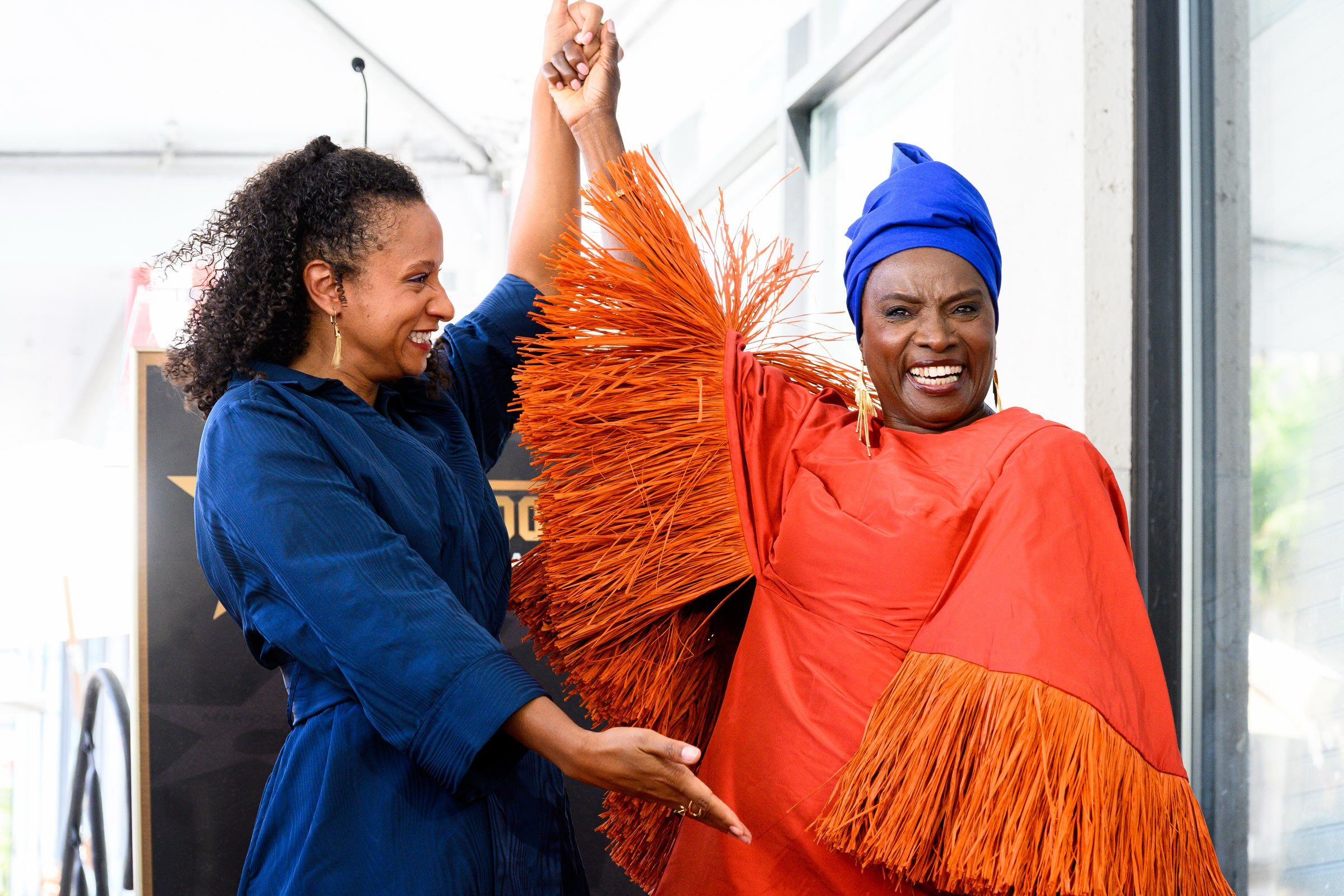
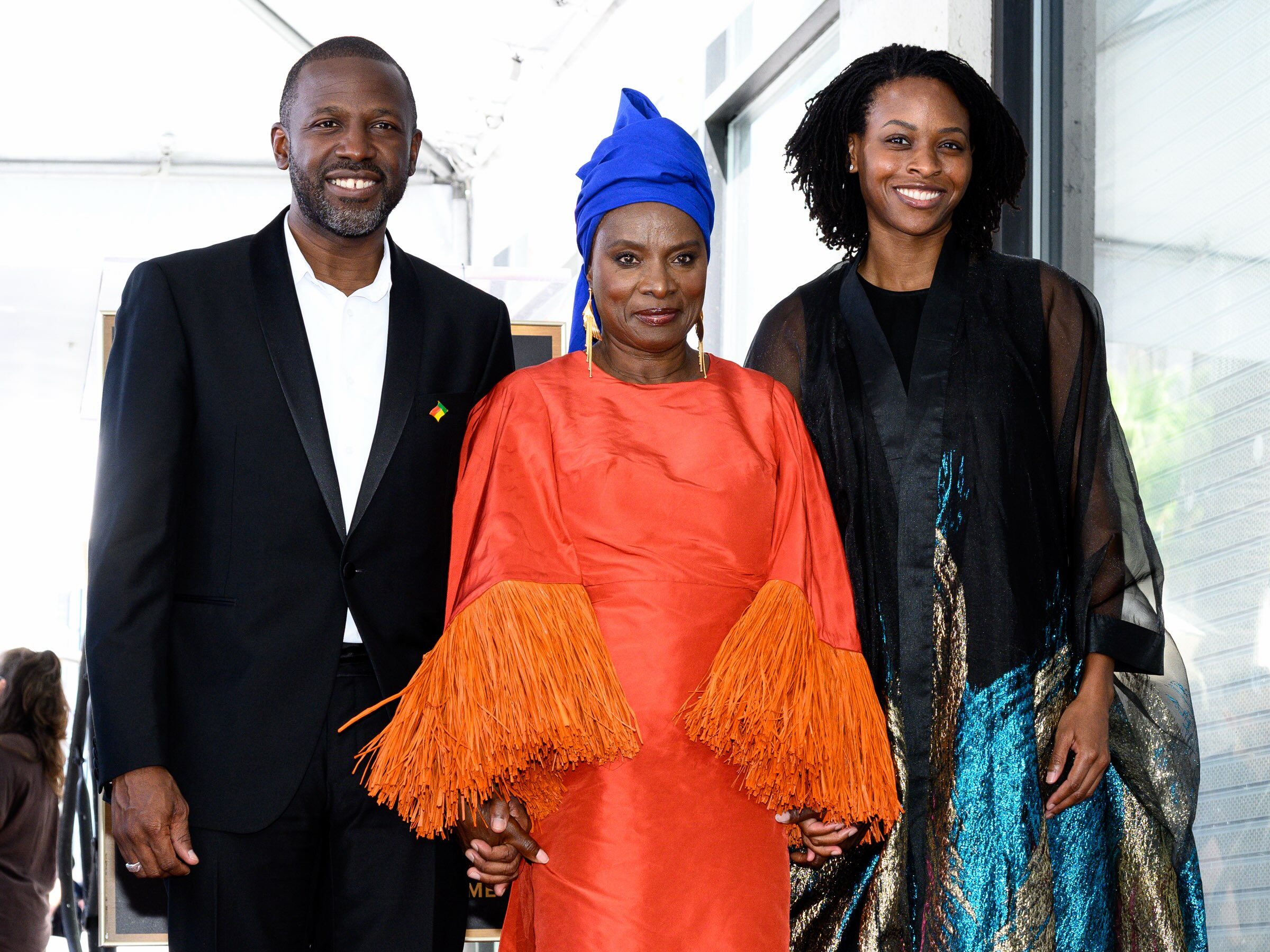
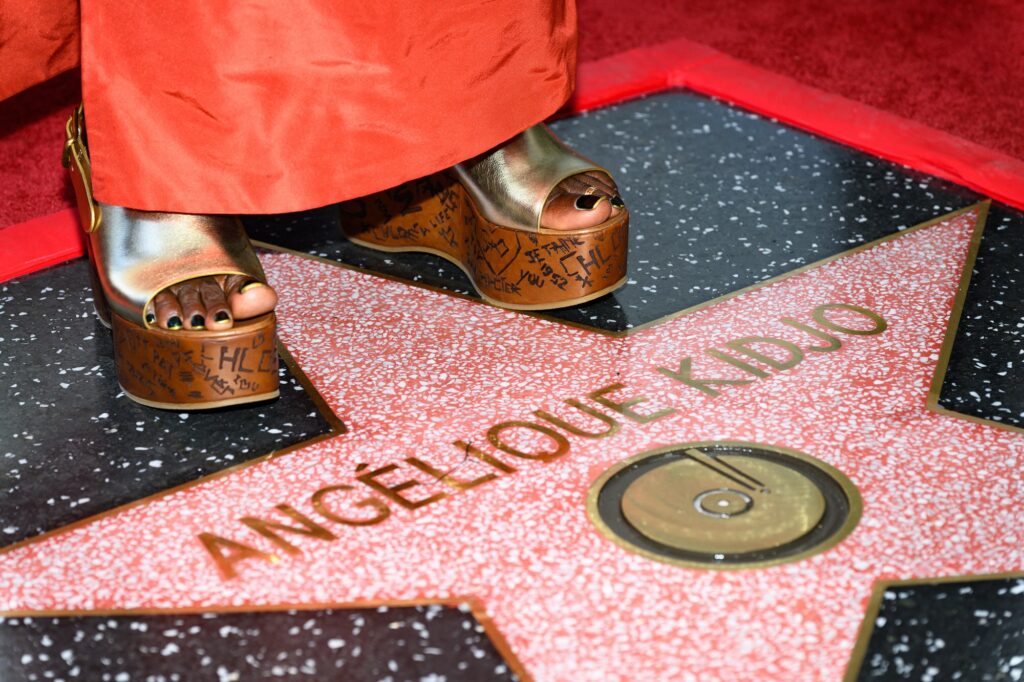
On Tuesday, August 18, 2026, the global entertainment industry gave Kidjo a long-overdue sign of recognition on one of its most famous sidewalks. In a celebratory ceremony held right outside the historic Hollywood Roosevelt Hotel on 7011 Hollywood Boulevard, Kidjo unveiled the 2,854th star on the Hollywood Walk of Fame.
The moment marked a major cultural milestone: Kidjo is officially the first Black African performer and the first African musician ever to receive a star on the legendary landmark. For fans, industry peers, and fellow African creators watching online, seeing her stand beside that brass plaque felt less like a personal victory and more like a long-awaited homecoming for the entire continent’s creative ecosystem.
Kidjo’s journey to Hollywood Boulevard is anything but an overnight success story. Born in the coastal city of Ouidah, Benin, in 1960, she began singing and performing as a child before moving to Paris in the early 1980s to escape political instability at home. Rather than diluting her sound to fit European radio formats, she leaned hard into her roots, writing lyrics in Fon, Yoruba, French, and English while blending traditional Beninese rhythms with global soul.
Her breakthrough tracks from the 1990s, songs like Agolo, Batonga, and Wombo Lombo, did not just win fans across Europe and North America; they served as an early blueprint for how African creators could command global space without losing their identity. Across 18 studio albums and five Grammy Awards, Kidjo has consistently proven that language barriers mean nothing when the groove, spirit, and emotional delivery are authentic.
Her creative footprint expands across genres and generations. Over her career, she has collaborated with an incredible array of global icons, from rock royalty like Bono and Peter Gabriel to jazz masters like Philip Glass, as well as contemporary African stars like Burna Boy, Davido, and Ayra Starr.
What makes Kidjo special is that she has never treated younger African artists as competition. Instead, she has continuously acted as a mentor and collaborator, opening doors and offering guidance to the next generation of West African hitmakers who are now filling arenas across London, New York, and Paris.
The energy on Hollywood Boulevard during Tuesday’s ceremony was electric. Surrounded by family, friends, industry executives, and prominent West African figures, including Benin-born Hollywood actor Djimon Hounsou and Nigerian musician Adekunle Gold, Kidjo took the stage to accept the honor.
The ceremony featured heartfelt tributes from prominent friends in show business. Oscar-nominated actor Willem Dafoe kicked off the speeches by praising Kidjo’s tireless work ethic and humanitarian spirit, calling her “without a doubt the hardest working woman in show business” and celebrating her lifelong commitment to global activism.
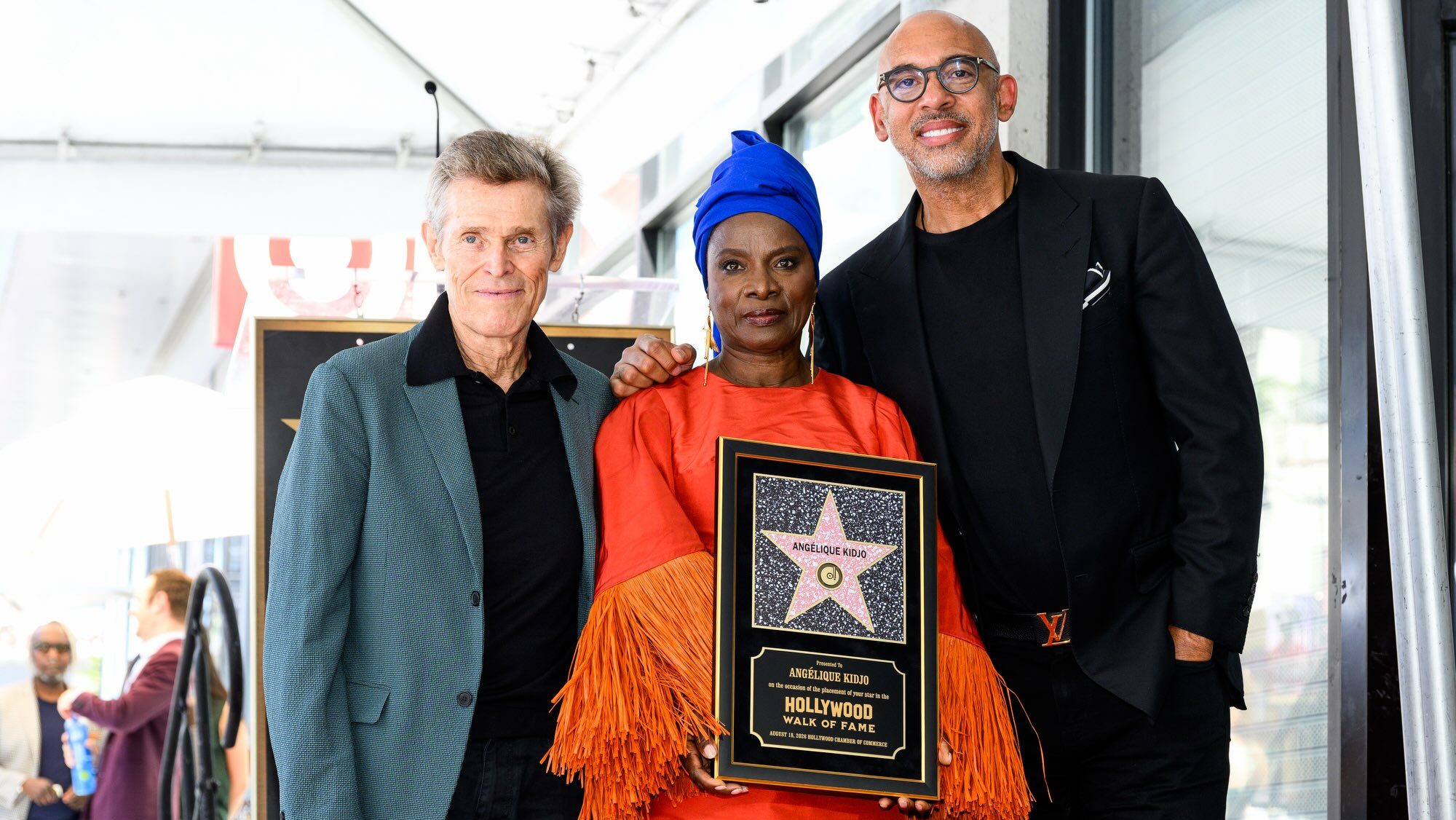
Harvey Mason Jr., Chief Executive Officer of the Recording Academy, also delivered a warm tribute, noting that Kidjo represents a rare class of artist whose work goes far beyond stage entertainment to build real bridges between distinct human cultures.
When it came time for Kidjo to deliver her acceptance speech, she made it clear that the star belongs to the wider African creative community. Taking the microphone, she spoke directly about the historical debt global pop culture owes to African rhythm and melody.
We Africans don’t know what we’ve given to the world, what we continue giving to the world; without us there’s no music possible on this planet, Kidjo told the crowd. She added that if anyone had told her as a young girl in Benin that she would one day have a star on the Hollywood Walk of Fame, she would have found it impossible to believe. She dedicated the moment to her family, her home country, generations of past African performers, and young people across the continent who are daring to dream big.
To cap off the occasion, the Hollywood Chamber of Commerce officially declared August 18th as Angélique Kidjo Day in Hollywood, giving the moment an extra touch of historic weight.
It would be impossible to discuss Angélique Kidjo’s legacy without mentioning her decades of social advocacy and humanitarian leadership. Music has always been her primary megaphone, but she has used her platform to push for tangible structural change across Africa.
As a long-serving UNICEF Goodwill Ambassador, Kidjo has traveled extensively to advocate for children’s rights, health initiatives, and clean water access across rural communities. She also co-founded the Batonga Foundation, a non-profit organization dedicated to empowering young African women and girls through secondary education, financial literacy programs, and vocational training.
Her advocacy work has earned her widespread international honors, including Amnesty International’s Ambassador of Conscience Award and the World Economic Forum’s prestigious Crystal Award. For Kidjo, art and activism are two sides of the same coin, you cannot sing about human dignity on stage without fighting for it off stage.
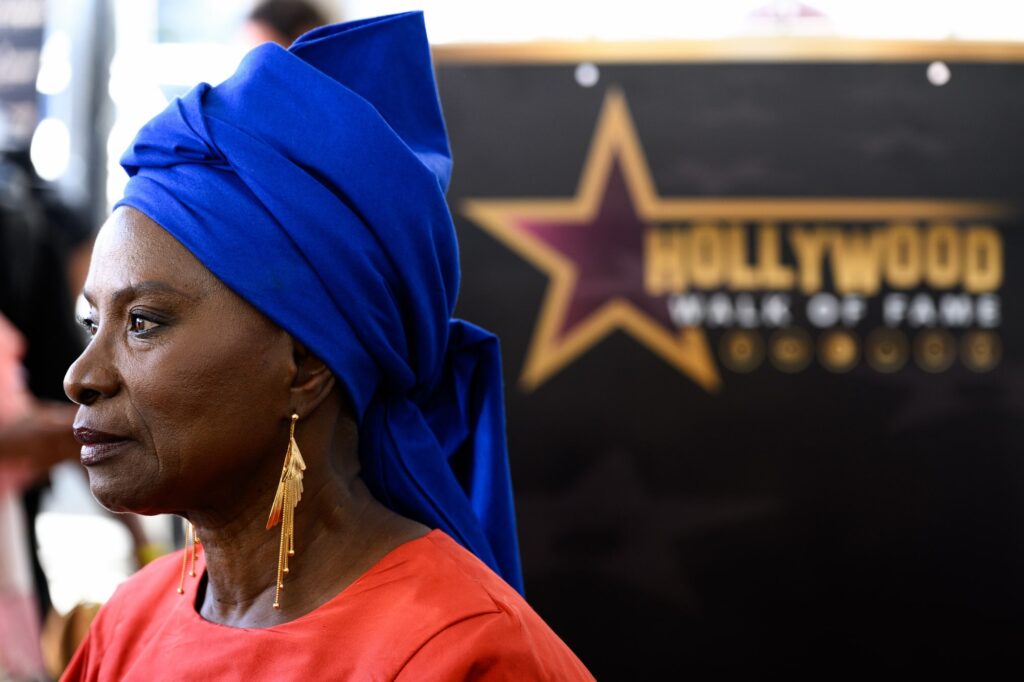
For those of us tracking African film, television, and music, Kidjo’s Walk of Fame star is more than just a nice photo opportunity. It marks a deeper shift in how major Western entertainment institutions view African art.
For a very long time, global media institutions treated African music as an exotic sub-genre or a temporary trend that would fade away. Seeing a Beninese artist honored alongside Hollywood’s biggest historical legends sends a clear message: African storytelling and sound are foundational parts of world culture that are here to stay.
As more African filmmakers, animators, and musicians claim space on streaming platforms and international festival screens, Kidjo’s milestone offers both inspiration and validation. It shows young creators working out of Lagos, Cotonou, Accra, or Nairobi that staying true to your roots is not a limitation,it is your greatest strength.
With her new star cemented into Hollywood pavement, Kidjo continues to perform, record, and tour with the same fierce energy she brought to the stage forty years ago. She has proven that true legacy is not about chasing clout; it is about building a body of work that stands the test of time while pulling others up along the way.